
Understanding Satin: Composition, Types, and Uses
Discover what satin is, how it’s made, and explore the various types of satin used in fashion and textiles. Learn about this luxurious fabric’s unique characteristics.
Discover what satin is, how it’s made, and explore the various types of satin used in fashion and textiles. Learn about this luxurious fabric’s unique characteristics.
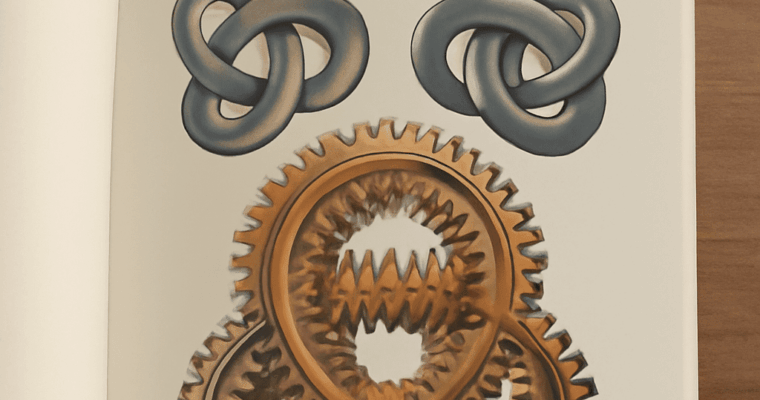
Dive into the world of MC Escher, exploring his iconic artworks that blend mathematics and art. Discover the techniques and themes that define Escher’s unique style.
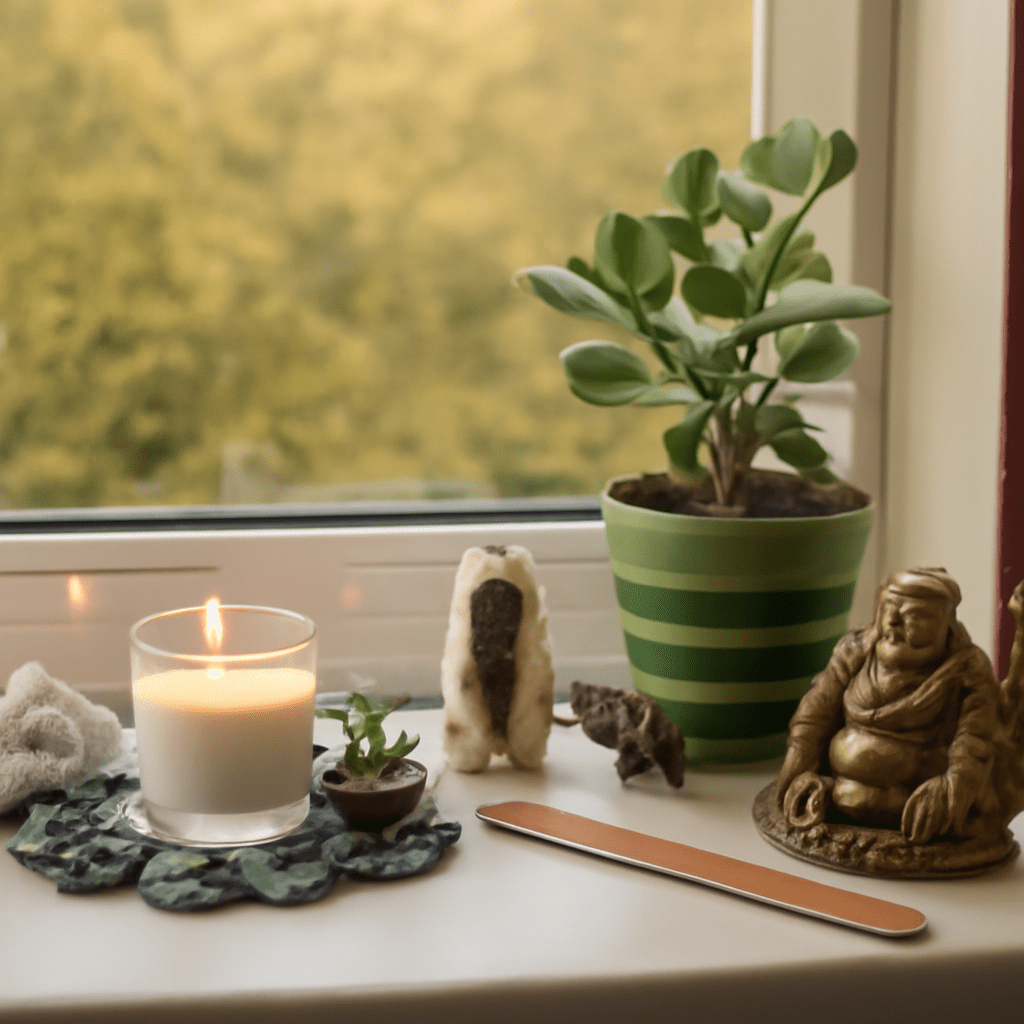
Feng Shui is an ancient Chinese practice that focuses on harmonizing individuals with their environment. The term “feng shui” literally translates to “wind” and “water,” symbolizing the flow of energy in a space. By understanding feng shui principles, you can create a home that promotes balance, health, and prosperity. From the placement of furniture to color selection, feng shui decorating can transform your living space into a sanctuary of calm and positive energy.
Feng Shui is a complex art and science rooted in Chinese philosophy, aiming to harmonize living spaces with the natural world. The practice involves arranging your environment to promote the flow of ‘Qi,’ which is the life force energy. This can be achieved through strategic placement of objects, mindful design choices, and an understanding of the five elements: wood, fire, earth, metal, and water. Each element represents different qualities and influences the energy in your home.
Feng shui decorating is based on several key principles designed to optimize the flow of energy in a space. Understanding these principles can help you incorporate feng shui into your home:
Incorporating feng shui into your home doesn’t require a complete overhaul. Here are some practical tips to start transforming your space:
Integrating feng shui into your home design can have numerous benefits. These include:
Understanding and applying feng shui principles can transform your home into a space that supports your goals and well-being. With these tips and insights, begin your journey of creating a harmonious and prosperous living environment.

Watercolor paintings by John Singer Sargent reveal canals, reflections, and a sunlit sail. Explore four works through their materials and composition.

Celebrated paintings of love reveal intimacy through gold, gesture, movement, and space. Discover five couples and the details that make each image distinctive.
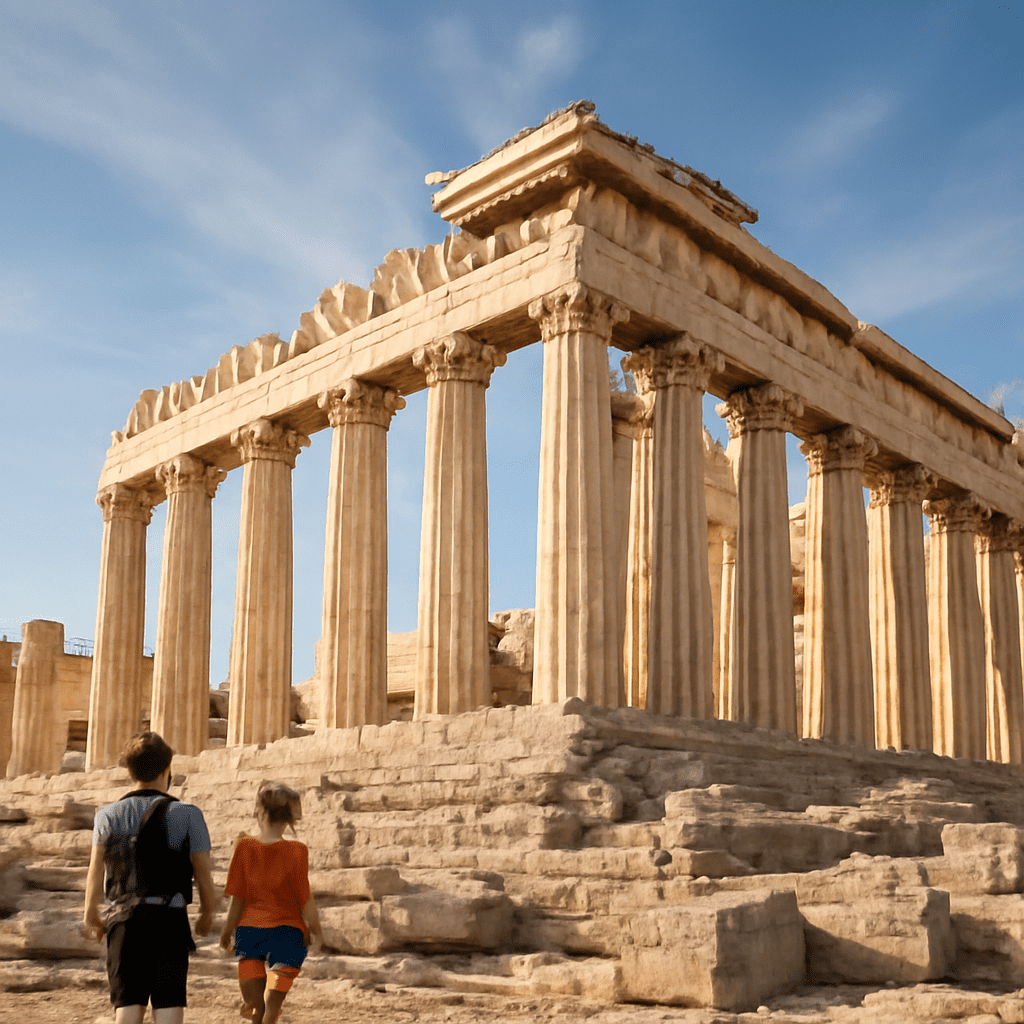
The Parthenon in Athens stands as a symbol of ancient Greece’s architectural and cultural achievement. Located on the Acropolis, this iconic structure draws millions of visitors each year, eager to explore its rich history and monumental design. Built in the 5th century BC, the temple has endured as a testament to the ingenuity of its creators and the civilization it represents.
The Parthenon was constructed between 447 and 438 BC during the height of the Athenian Empire. It was commissioned by the statesman Pericles, who sought to create a lasting symbol of Athens’ power and culture. The temple was built on the Acropolis, a site that had been used for religious purposes for centuries. The Parthenon served as a temple dedicated to Athena, the goddess of wisdom and war, who was also considered the patron deity of Athens. Over the centuries, the Parthenon has undergone various transformations, serving as a Christian church and later a mosque under Ottoman rule.
The construction of the Parthenon was led by two renowned architects, Iktinos and Kallikrates. Phidias, a celebrated sculptor of the time, oversaw the artistic elements and the design of the colossal statue of Athena that once resided within the temple. The collaboration of these gifted individuals resulted in a structure that harmonized architectural precision with artistic excellence, showcasing the skills and creativity of the ancient Greeks.
The original Parthenon was a Doric temple, characterized by simple, geometric lines and a sturdy appearance. It measured approximately 69.5 meters in length and 30.9 meters in width, with 46 outer columns and 23 inner columns supporting the structure. The columns were slightly curved, a subtle optical illusion that corrected visual distortions when viewed from afar. This attention to detail highlights the Greeks’ advanced understanding of optical principles.
The interior of the Parthenon housed the statue of Athena, crafted by Phidias from gold and ivory. The cella, or inner chamber, was adorned with intricate sculptures and friezes depicting scenes from Greek mythology and Athenian life. One of the most famous features is the Parthenon frieze, a high-relief sculpture that runs around the outer wall of the cella, illustrating the Panathenaic procession, a festival held in honor of Athena.
The Parthenon temple is not only a masterpiece of Greek architecture but also a symbol of the cultural and political zenith of Athens. Its architectural significance lies in its embodiment of the Doric order, which influenced countless structures throughout the ancient world and even into the modern era. The precise mathematical proportions and the implementation of entasis—the slight curve in the columns—demonstrate the Greeks’ sophisticated understanding of aesthetics and structure.
Moreover, the Parthenon’s decorative elements, such as the metopes and pediments, exhibit the high level of skill and artistry achieved by Greek sculptors. These artworks provide invaluable insight into the religious beliefs, myths, and everyday life of the ancient Greeks. The Parthenon’s enduring legacy continues to inspire architects and artists, symbolizing the timeless beauty and ingenuity of classical civilization.

Learn about American Craftsman architecture, its unique features, and what defines a Craftsman house, including interior design elements.

Discover how to create a mood board for fashion and design projects. Learn steps, tips, and tools for effective mood board design.
Creating visually pleasing spaces often hinges on understanding color harmony. By mastering the art of choosing colors that complement each other, you can transform interiors into cohesive and inviting environments. This article delves into the principles of color harmony, focusing on tetradic colors and how to use a color wheel effectively for selecting colors that go well together in your interior design projects.
Color harmony refers to the aesthetically pleasing arrangement of colors that creates balance and a sense of order. When colors are harmonious, they work together to create a unified look that is both appealing and functional. The concept of color harmony is essential in design, art, and any visual medium where the role of color is critical. Harmonious colors often evoke certain emotions, can highlight particular features, and influence the overall ambiance of a space.
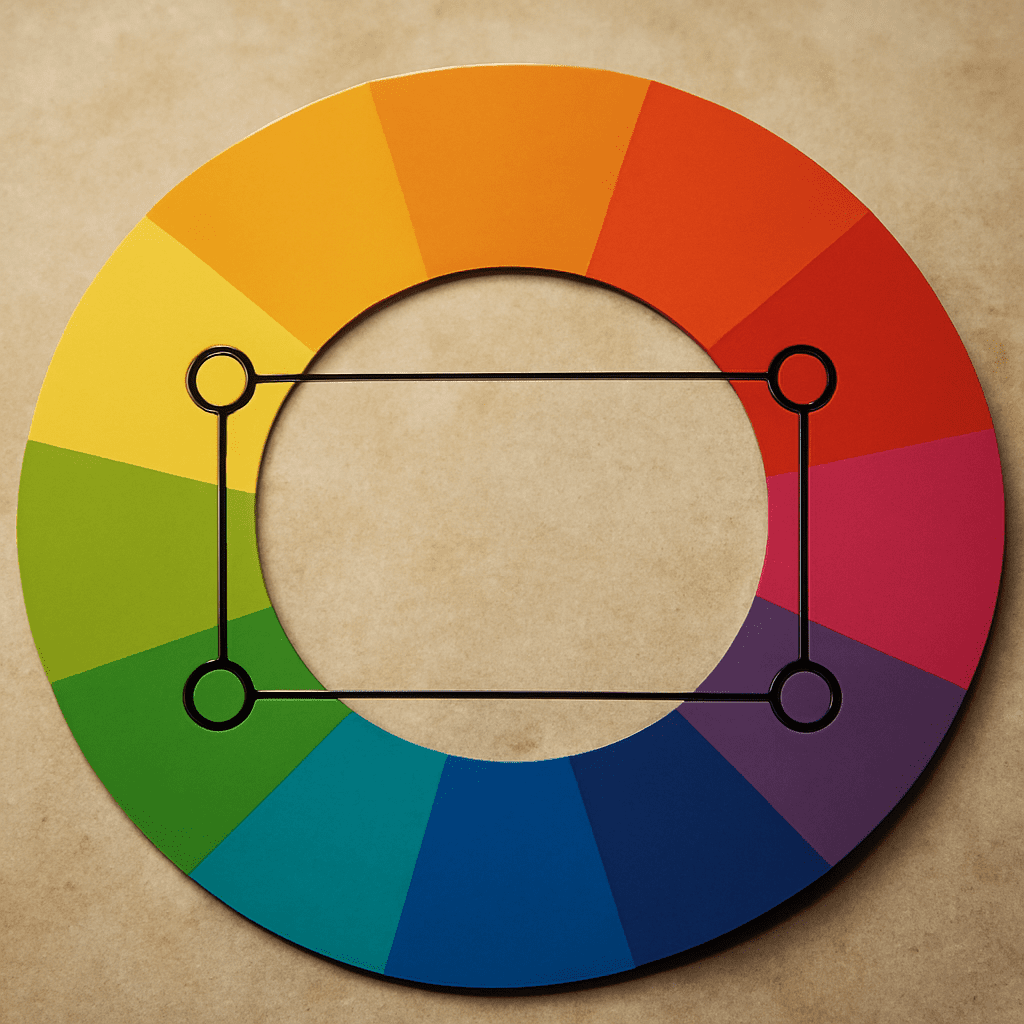
Tetradic colors form a rich and vibrant palette, consisting of four colors arranged in two complementary pairs on the color wheel. This scheme offers a wide array of possibilities and can create dynamic and bold looks when applied correctly. To identify tetradic colors, select any two pairs of complementary colors, forming a rectangle on the color wheel. The key to successfully using tetradic colors is balancing warm and cool tones to maintain harmony and avoid visual chaos.
For example, a tetradic scheme might include red and green as one pair, complemented by blue and orange as the other pair. The challenge lies in ensuring that one color dominates while others play supporting roles to maintain harmony and coherence.
Choosing colors that go well together involves understanding their relationships on the color wheel and considering the mood and function of the space. Here are some tips to help you select complementary colors:
The color wheel is an invaluable tool for anyone looking to understand and apply color harmony in design. Here are steps to effectively use a color wheel:
With these guidelines, you can confidently use a color wheel to create color schemes that enhance the beauty and functionality of your interiors, ensuring spaces that are not only visually stunning but also harmonious.

Paintings by Remington turn riders, fences, and moonlight into stories. See how these works build suspense and reveal a changing vision of the American West.