Understanding Feng Shui: Meaning and Decorating Tips
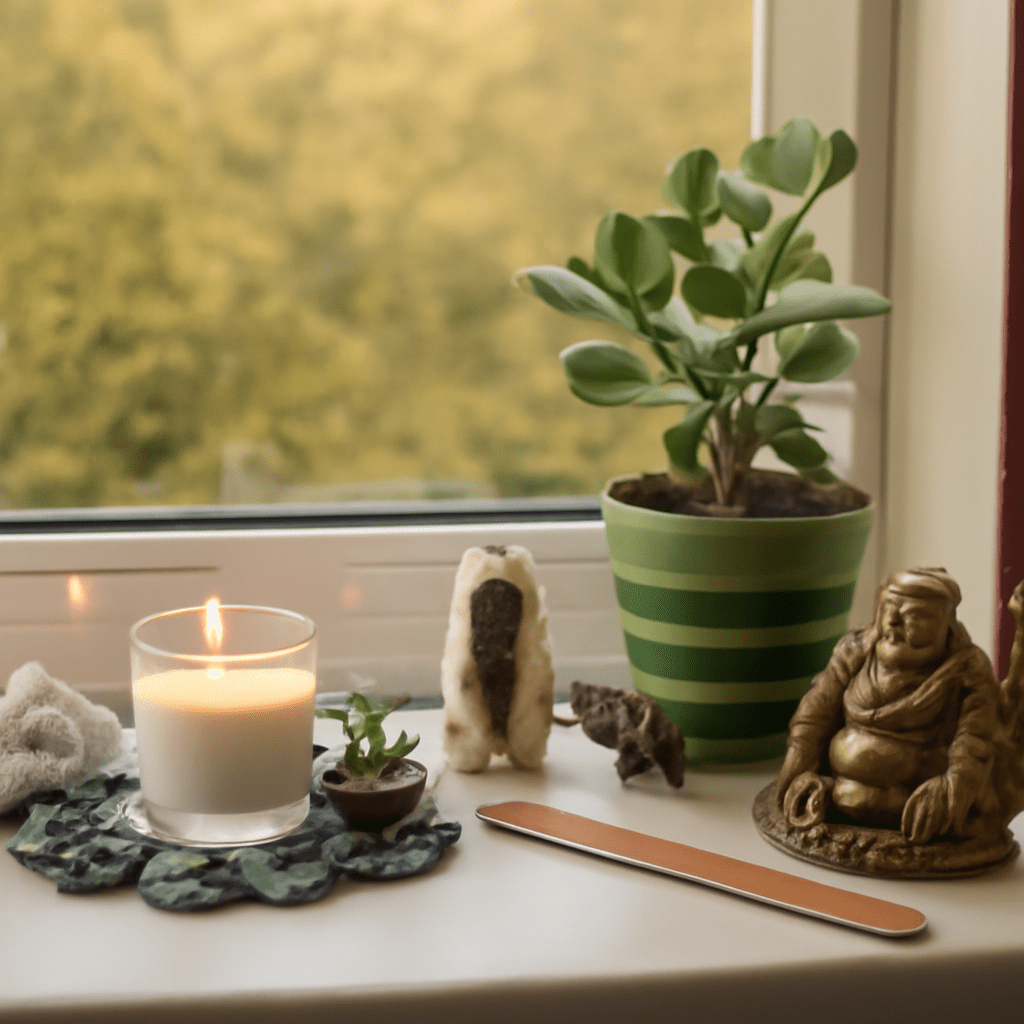
Feng Shui is an ancient Chinese practice that focuses on harmonizing individuals with their environment. The term “feng shui” literally translates to “wind” and “water,” symbolizing the flow of energy in a space. By understanding feng shui principles, you can create a home that promotes balance, health, and prosperity. From the placement of furniture to color selection, feng shui decorating can transform your living space into a sanctuary of calm and positive energy.
What Does Feng Shui Mean?
Feng Shui is a complex art and science rooted in Chinese philosophy, aiming to harmonize living spaces with the natural world. The practice involves arranging your environment to promote the flow of ‘Qi,’ which is the life force energy. This can be achieved through strategic placement of objects, mindful design choices, and an understanding of the five elements: wood, fire, earth, metal, and water. Each element represents different qualities and influences the energy in your home.
The Principles of Feng Shui Decorating
Feng shui decorating is based on several key principles designed to optimize the flow of energy in a space. Understanding these principles can help you incorporate feng shui into your home:
- The Bagua Map: This tool divides your space into nine areas, each corresponding to different aspects of life such as wealth, family, and career. Identifying these areas helps you focus on enhancing specific aspects of your life.
- The Five Elements: Integrating wood, fire, earth, metal, and water in your decor can balance your environment and enhance specific energies. For example, using water elements can boost wisdom and calmness.
- Yin and Yang Balance: Achieving harmony between yin (soft, passive) and yang (bright, active) elements is crucial for a balanced space. This involves balancing light and dark colors, soft and hard textures, and active and quiet areas.
- Clutter-Free Spaces: Clutter disrupts the flow of energy, so keeping spaces organized and tidy is essential in feng shui decorating.
Practical Feng Shui Decorating Tips
Incorporating feng shui into your home doesn’t require a complete overhaul. Here are some practical tips to start transforming your space:
- Entrance Enhancement: Ensure your front door is welcoming and unobstructed as it is the main entry point for energy. Consider decorating it with plants or symbols of prosperity.
- Bedroom Balance: Create a restful environment by placing your bed to face the door but not directly in line with it. Use calming colors and remove electronics to promote relaxation.
- Living Room Layout: Arrange furniture to facilitate conversation and interaction. Avoid placing chairs with their backs to the door and ensure there is ample light.
- Color Choices: Use colors that resonate with the energy you want to cultivate. Soft blues and greens promote tranquility, while reds and oranges can energize and invigorate.
- Incorporate Nature: Add plants, water features, or natural materials like wood and stone to connect with the earth element and enhance the flow of positive energy.
Benefits of Feng Shui in Interior Design
Integrating feng shui into your home design can have numerous benefits. These include:
- Improved Well-Being: A balanced environment can reduce stress and enhance physical and mental health.
- Enhanced Prosperity: By strategically placing objects and using the Bagua Map, you can attract wealth and success.
- Greater Harmony: Feng shui promotes harmony in relationships by creating spaces that encourage interaction and open communication.
- Boosted Creativity and Productivity: An organized, well-balanced space can stimulate creativity and improve focus and efficiency in work-related tasks.
Understanding and applying feng shui principles can transform your home into a space that supports your goals and well-being. With these tips and insights, begin your journey of creating a harmonious and prosperous living environment.