Different Types of Patterns: A Guide to Fabric Pattern Types in Fashion
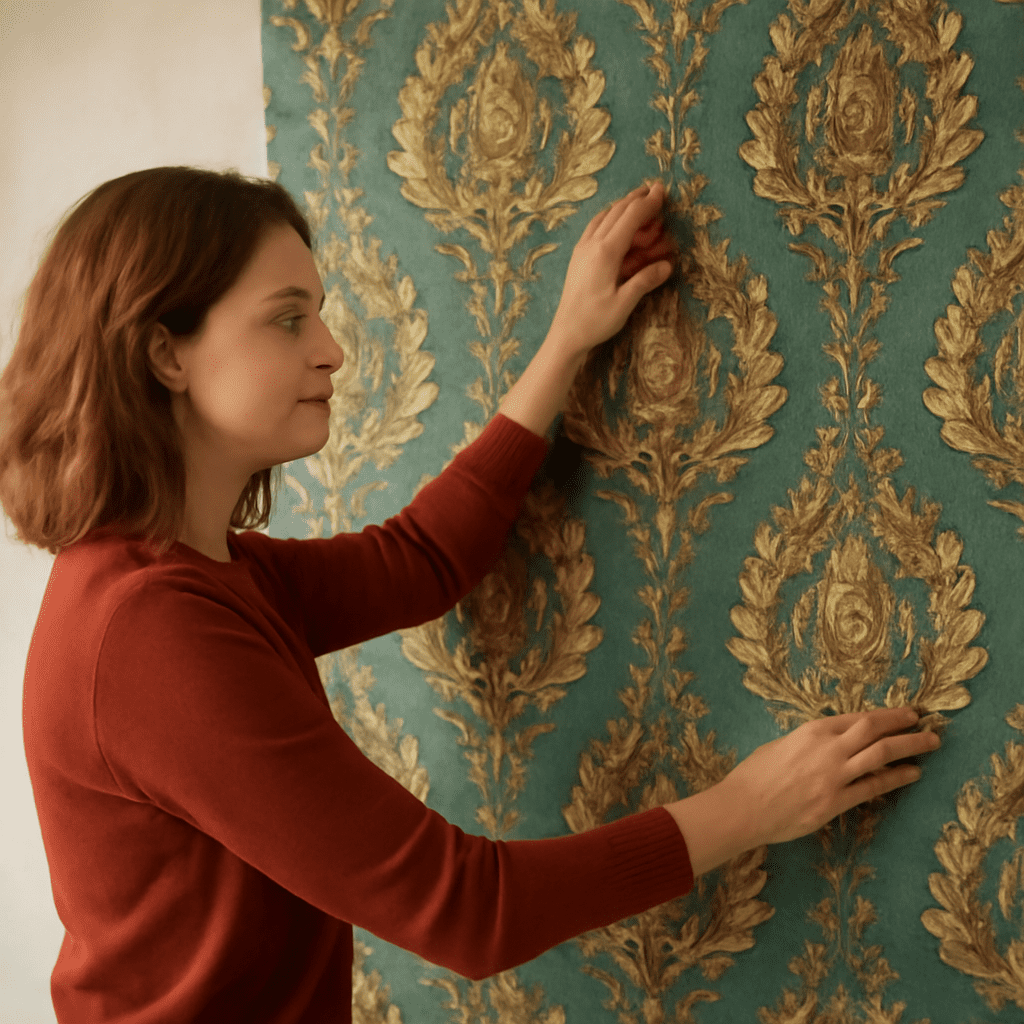
Patterns are a foundation of both fashion and textile design, shaping the visual identity and emotional impact of garments, accessories, and home décor. The different types of patterns used in fabric range from centuries-old classics to bold modern motifs, each carrying its own history, symbolism, and style. Whether you are designing clothes, selecting textiles, or simply updating your wardrobe, understanding key pattern types helps you make more intentional and inspired choices. Below, you’ll find a comprehensive guide to the most essential types of fabric patterns, their origins, and their cultural significance in today’s fashion.
What Are Patterns in Fashion and Textiles?
In fashion and textiles, a pattern refers to the repeated decorative design or motif that appears on fabric. Patterns can be woven directly into the textile, printed on its surface, or created through techniques like embroidery or applique. Pattern types range from geometric and symmetrical to organic and abstract, and they serve both aesthetic and functional purposes.
Not only do patterns add visual interest and personality, but they also help define a fabric’s function or era. For instance, pinstripes are synonymous with business attire, while florals evoke softness and femininity. The different types of patterns featured on clothing and textiles often reflect social trends, regional influences, and historical events, making them a fascinating lens through which to view design culture.
Understanding the most common types of fabric patterns is valuable for fashion designers, textile manufacturers, and consumers alike. Patterns guide the eye, accentuate body lines, and can even align with personal or cultural identity. Whether you’re interested in classic plaid or the latest digital prints, recognizing and naming various pattern types is key to making confident style decisions.
Classic Fabric Pattern Types and Their Origins
Many of the most enduring pattern types in fashion have deep cultural roots and recognizable motifs. Here are some of the best-known classic fabric patterns:
- Plaid (Tartan): Characterized by horizontal and vertical stripes crossing at right angles, plaid originated with Scottish clans, each having distinct colors and stripe arrangements. Today, plaid remains popular in shirts, skirts, and even formalwear.
- Stripes: Linear patterns with bands of varying width and color. Variations include pinstripes (narrow, close-set lines), Breton stripes (bold navy and white horizontal stripes from French sailor uniforms), and awning stripes (thicker, evenly spaced lines).
- Polka Dots: Evenly spaced, round dots, typically on a contrasting background. Polka dots gained popularity in the late 19th and early 20th centuries, becoming iconic in mid-century women’s fashion.
- Checks and Gingham: Patterns made up of small squares, often alternating in color. Gingham, in particular, features white and another color in a simple, cheerful check, widely used for summer clothing and table linens.
- Houndstooth: A broken-check pattern with jagged edges, originating from Scottish woven wool cloth. Houndstooth is associated with luxury and frequently used in suiting and outerwear.
- Paisley: Teardrop-shaped motifs of Persian and Indian origin, brought to Europe in the 18th and 19th centuries. Paisley patterns are known for their rich, intricate designs, often in vibrant colors.
- Floral: Stylized or realistic representations of flowers and plants. Florals date back centuries and are a perennial motif in women’s fashion, upholstery, and accessories.
- Argyle: A diamond-shaped pattern often overlaid with intersecting lines, originating from Scottish tartan. Argyle is commonly seen in knitwear like socks and sweaters.
These classic types of fabric patterns have stood the test of time, frequently reinterpreted in new color palettes and scales. They offer a sense of familiarity, heritage, and versatility, making them staples in wardrobes and interiors around the world.
Some patterns, like damask (featuring ornate, reversible floral or geometric motifs) and toile (detailed scenic images often in a single color), are also regularly used for formalwear and home textiles. Each pattern type brings its own history and visual rhythm, contributing to the fabric’s narrative and appeal.
Modern and Trend-Driven Pattern Types
While classic patterns provide a foundation, fashion is always evolving, and modern pattern types reflect new technologies, artistic movements, and global influences. Here are some contemporary patterns gaining popularity:
- Abstract: Non-representational designs, often using bold shapes, spontaneous lines, or experimental color combinations. Abstract patterns are favored in avant-garde fashion and statement pieces.
- Animal Print: Mimicking the markings of animals like leopards, zebras, or snakes, these prints add drama and luxury. Animal prints have cycled in and out of fashion since the early 20th century, now often used as accents or full garments.
- Digital and Optical Prints: Created with digital printing technology, these patterns feature hyper-detailed imagery, gradients, or optical illusions. Digital prints allow for an almost limitless range of motifs, from photographic realism to pixelated graphics.
- Tie-Dye: A resist-dyeing technique resulting in swirling or radiating patterns. Once associated with 1960s counterculture, tie-dye now appears on high-fashion runways and casualwear alike.
- Camo (Camouflage): Adapted from military uniforms, camouflage patterns blend earthy tones in irregular shapes. Camo is now a streetwear staple, often reimagined in unexpected colorways.
- Ethnic and Tribal Prints: Inspired by indigenous textiles from Africa, Asia, and the Americas, these patterns often use geometric motifs, natural dyes, and symbolic arrangements. They celebrate cultural heritage and artisanal techniques.
Other notable modern patterns include graphic prints with bold icons or slogans, minimalist grids, and even mixed-pattern mashups. The freedom to digitally design and produce small runs has made it easier than ever for designers to experiment with unique and personal fabric patterns.
Modern pattern types not only follow seasonal trends but also express individuality, activism, or humor. These patterns can transform simple silhouettes into eye-catching conversation pieces or convey a brand’s ethos at a glance.
How Patterns Influence Fashion and Design Culture
The choice and combination of pattern types shape perceptions of style, status, and even mood. Patterns direct visual attention, create optical effects (like elongating or slimming), and help garments stand out in a crowded marketplace. For example, bold geometric prints may signal modernity and confidence, while delicate florals evoke nostalgia or romance.
In design culture, certain types of fabric patterns are closely linked to subcultures, movements, or historical moments. Punk fashion, for instance, popularized tartan and plaid in unconventional ways, while 1980s Memphis design embraced whimsical, asymmetrical patterns. Even today, designers use classic and modern patterns to comment on social issues, draw from archives, or foster cross-cultural dialogue.
Patterns also play a key role in branding and identity. A signature stripe, check, or motif can become synonymous with a fashion house or label. Think of Burberry’s iconic check, Missoni’s zigzag, or Versace’s baroque prints. These instantly recognizable pattern types drive both loyalty and imitation within the industry.
Understanding the different types of patterns and their context empowers consumers and creators to make more meaningful choices—whether aiming for timeless elegance or bold self-expression. Patterns are more than decoration; they are a vital language in the story of fashion and textiles.