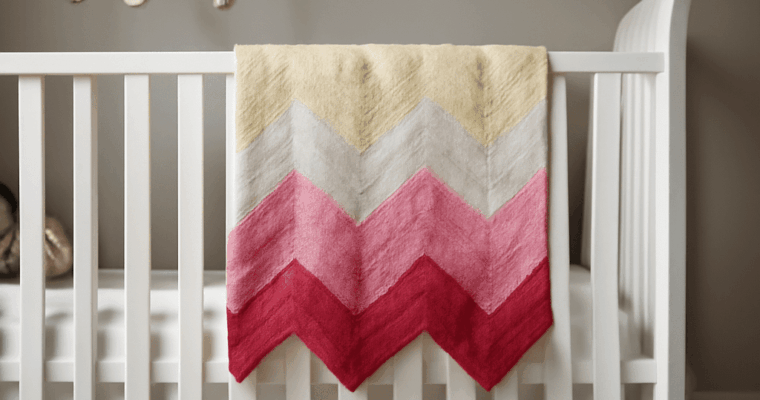
How to Crochet a Chevron Crochet Pattern Blanket
Learn how to crochet a chevron pattern blanket, ideal for a cozy home decor piece or a charming baby gift. Follow our step-by-step guide to create your own design.
Learn how to crochet a chevron pattern blanket, ideal for a cozy home decor piece or a charming baby gift. Follow our step-by-step guide to create your own design.

Discover how to choose and craft unique address numbers and house numbers and letters for your home, enhancing curb appeal and personal style.
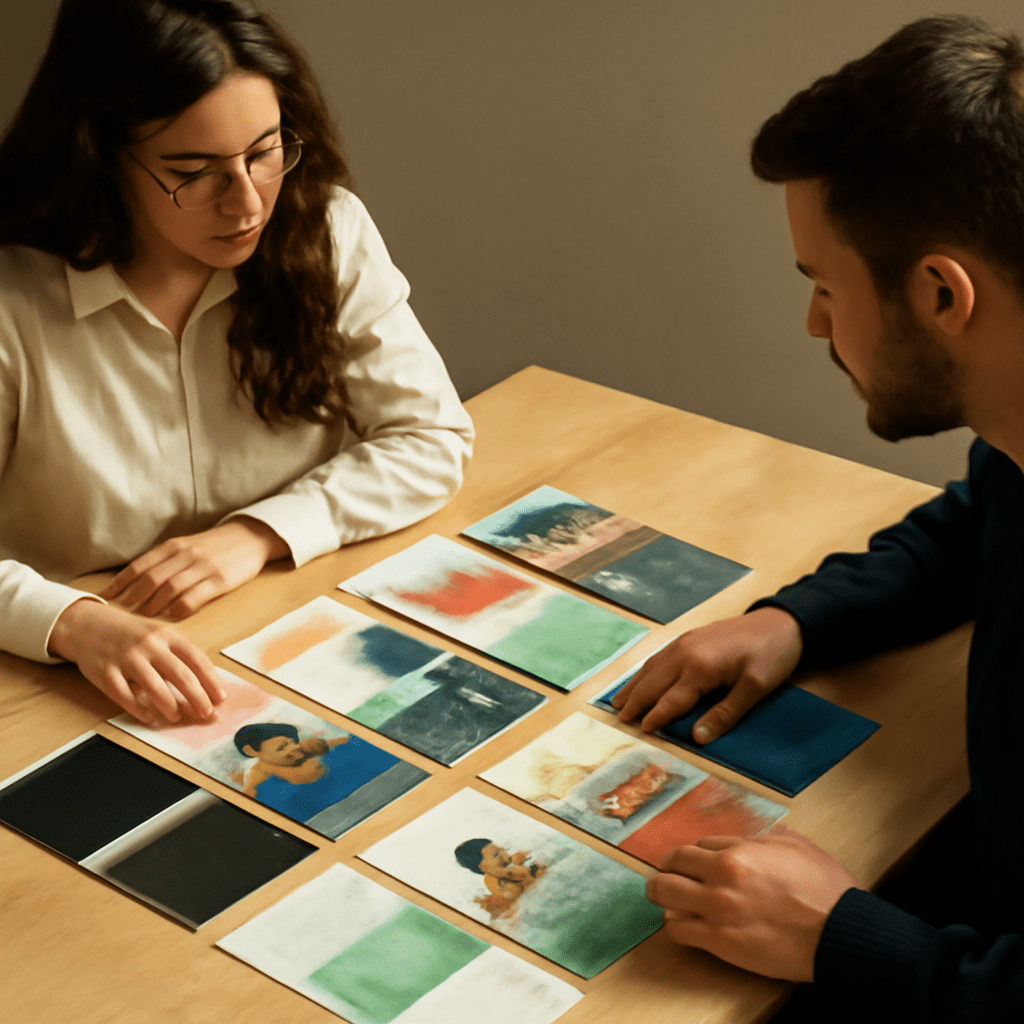
Brochure design plays a pivotal role in communicating a brand’s message and aesthetic, especially within the vibrant worlds of fashion and design culture. A well-crafted brochure not only informs but also captivates the target audience, enhancing the brand’s image and appeal. This guide delves into mastering brochure design, focusing on layout techniques and creating engaging informational brochures tailored for fashion and design enthusiasts.
Before diving into the specifics of brochure design, it’s essential to grasp the fundamental principles that underpin successful brochures. At its core, brochure design involves the strategic use of visual elements to convey information effectively. The design should align with the brand’s identity, using consistent colors, fonts, and imagery that reflect the brand’s ethos.
For example, a high-end fashion brand might opt for a minimalist design with elegant typography and high-resolution images, while a streetwear brand might choose bold colors and dynamic layouts. The key is to ensure that the design is not only visually appealing but also relevant to the target audience.
The layout of a brochure is crucial in guiding the reader’s eye and disseminating information clearly and effectively. Here are some essential techniques to consider:
These techniques help create a brochure layout that is not only aesthetically pleasing but also functional, ensuring that the information is accessible and easy to digest.
An informational brochure aims to educate and inform the audience about specific details, such as product features, brand history, or upcoming events. To create an effective informational brochure, consider the following strategies:
By focusing on these elements, you can create an informational brochure that effectively informs and engages your audience, driving them to take action.
The fashion and design industries thrive on trends and innovation, and your brochure design should reflect this dynamic culture. Here’s how to incorporate fashion and design elements into your brochures:
By integrating these aspects, your brochure will not only inform but also reflect the essence of fashion and design culture, making it more relatable and impactful.

The Passion side of Sagrada Familia tells a starkly different story. Discover how sculpture, space and imagery distinguish it from the richly detailed Nativity front.

Discover what satin is, how it’s made, and explore the various types of satin used in fashion and textiles. Learn about this luxurious fabric’s unique characteristics.
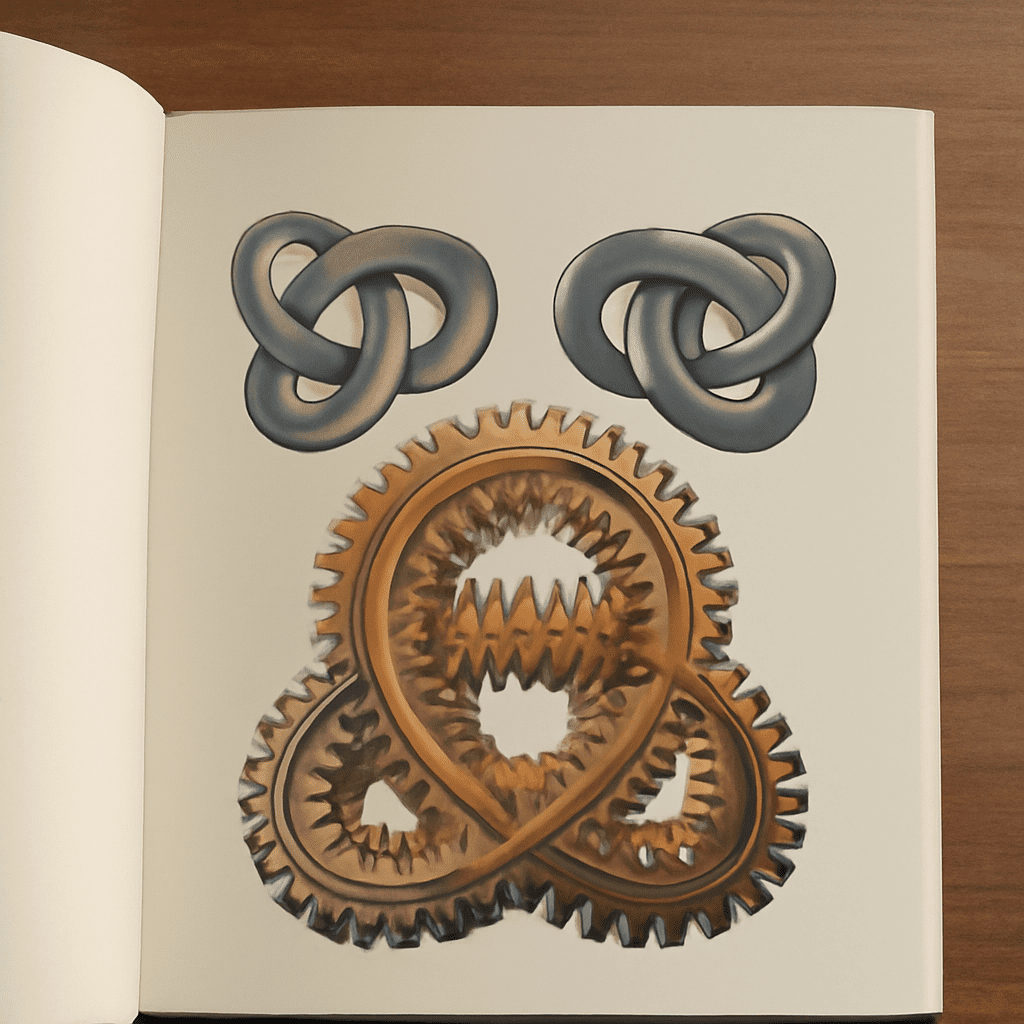
MC Escher, a master of combining art with mathematical principles, has captivated audiences for decades with his unique approach to creating art. His works are renowned for their intricate patterns, impossible constructions, and optical illusions that challenge the viewer’s perception. Escher’s art beautifully bridges the gap between the structured world of mathematics and the imaginative realm of visual art, making his creations both intellectually stimulating and visually captivating.
MC Escher’s art is a fascinating fusion of geometry, perspective, and creativity. Born in the Netherlands in 1898, Escher initially pursued architecture before realizing his passion for graphic art. His works often explore themes of infinity, symmetry, and transformation, all while defying conventional artistic norms. Escher’s ability to manipulate space and perspective allows him to create artworks that seem to defy the laws of physics, offering viewers a new way to see the world around them.
One of the most prominent themes in Escher’s artwork is the concept of infinity. This is evident in pieces like “Drawing Hands,” which depict two hands drawing each other, creating an endless loop. Another common theme is transformation, as seen in “Metamorphosis II,” where images gradually evolve into entirely different forms, challenging the viewer’s perception of continuity and change.
Escher also frequently explored symmetry and tessellation, drawing inspiration from Islamic art and architecture. His prints often feature repeating geometric patterns that fit together perfectly, creating a sense of order and harmony. These themes not only showcase Escher’s mathematical prowess but also highlight his ability to find beauty in structured complexity.
Escher’s mastery of technique is a key factor in the enduring appeal of his art. He employed lithography, woodcutting, and mezzotint to create his prints, each technique lending a different texture and depth to his works. Lithography, a method of printing using a stone or metal plate, allowed Escher to create highly detailed images with sharp contrasts between light and dark areas.
Woodcutting, on the other hand, involved carving images into blocks of wood, allowing for bold and striking designs. Mezzotint, a technique used to produce images with soft gradations of tone, enabled Escher to add a sense of dimensionality and realism to his prints. His meticulous attention to detail and his proficiency with these techniques contributed to the otherworldly quality of his art.
Among the most iconic of Escher’s creations is “Relativity,” a lithograph that depicts a world where the normal laws of gravity do not apply. The piece features staircases that seem to lead in all directions, creating a disorienting yet mesmerizing effect. Another famous work, “Ascending and Descending,” showcases an endless loop of figures climbing and descending an impossible staircase, a visual paradox that has intrigued audiences for years.
“Waterfall” is yet another masterpiece by Escher, illustrating a perpetually flowing watercourse that defies the laws of physics. The water appears to flow uphill, powering a waterwheel, before cascading down again in a never-ending cycle. This piece highlights Escher’s ability to create visually compelling illusions that invite viewers to question their understanding of reality.
Escher’s “Hand with Reflecting Sphere,” also known as “Self-portrait in Spherical Mirror,” is a thought-provoking piece that captures the artist himself holding a reflective sphere. The artwork not only serves as a self-portrait but also demonstrates Escher’s fascination with perspective, reflection, and self-reference.
MC Escher’s art continues to inspire and challenge viewers, offering a glimpse into a world where imagination and mathematics coexist in perfect harmony. His unique ability to blend technical precision with creative vision has cemented his place as one of the most innovative artists of the 20th century.

Explore the meaning of Feng Shui and learn how to incorporate Feng Shui decorating principles into your home for balance and harmony.
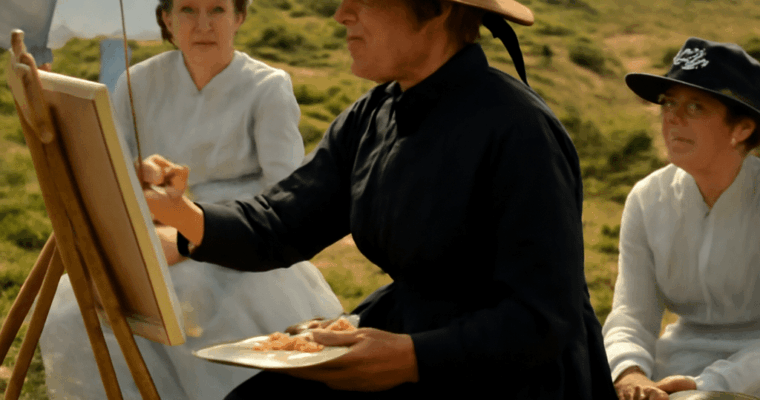
Watercolor paintings by John Singer Sargent reveal canals, reflections, and a sunlit sail. Explore four works through their materials and composition.
In Gustav Klimt’s The Kiss, two figures bend together at the edge of a flowered meadow. Their patterned robes nearly merge, while a hand and a tilted face bring the eye to the point of contact. This is one of many celebrated paintings of love in which intimacy is built from pose, space, and material as much as from an embrace.
These well-known paintings about love move between a richly furnished room, a dance floor, and a floating domestic scene. Each makes a different visual proposal about closeness. Their museum records also supply dates and context that help separate what can be seen from what can be known about the people depicted.
Gustav Klimt’s The Kiss (Lovers), about 1907–1909, is a square canvas in the Belvedere collection in Vienna. The museum records a mixture of oil-resin colors and metal leaf, including gold, silver, and platinum in the figures. The metal is part of the surface itself, not merely a painted imitation of shine.
Rectangles pattern one robe, while rounded motifs appear on the other. The figures seem to form a single golden shape, yet their distinct patterns remain visible. Below them, small flowers gather around the kneeling figure at the meadow’s edge. The embrace can be read as both shelter and exposure: a close circle of bodies set against an open, shimmering field.
Among famous paintings about love, this work makes touch the center of the composition. The man’s hands frame the woman’s face; her closed eyes and folded posture give the kiss a quiet stillness. That stillness is a visual effect, not a record of a particular couple’s private feelings.
Jan van Eyck’s The Arnolfini Portrait, painted in 1434, presents two people standing close together in a domestic interior. Their joined hands occupy the center; a small dog stands below, while a bed, chandelier, and convex mirror draw the eye through the room. Oil paint on wood carries minute changes of texture, from fur edging to polished metal.
The National Gallery identifies the man tentatively as Giovanni di Nicolao Arnolfini and the woman as probably his wife, whose identity is unknown. Its catalogue treats the sitters’ identification and the idea that a wedding ceremony is shown as questions of interpretation. The joined hands suggest a bond; the painting does not supply a simple caption for it.
This celebrated painting of a couple rewards attention to distance as well as contact. The figures stand apart enough for their costly clothing and the room around them to be seen, while their hands connect the two halves of the image. The mirror adds another perspective, showing the room from behind the couple and introducing figures at its far side.
In Isaac and Rebecca, Known as “The Jewish Bride”, about 1665–1669, Rembrandt gives touch a different pace. One figure places a hand on the other’s chest; the woman’s hand rests gently over it. Their faces turn in different directions, so the connection is carried through the hands rather than a shared gaze.
The Rijksmuseum describes the painting as Isaac and Rebecca and notes the contrast between their subtle mood and the bold treatment of their clothing. Its collection record also describes it as a portrait of a couple in the guise of biblical figures. Thick, worked paint catches light in the garments; the surface gives the cloth a physical presence beside the delicately rendered gesture.
Placed beside Klimt’s embrace, Rembrandt’s picture shows why famous love paintings can feel intimate without showing faces pressed together. In famous paintings about love, a small action can command a broad composition: here, the hands hold the viewer’s attention.
Pierre-Auguste Renoir’s Dance at Bougival, 1883, brings closeness into a public setting. Romance paintings can convey intimacy through shared movement. The dancers fill the foreground, their bodies angled into the movement of a turn. Behind them, people sit and gather in a softly painted outdoor setting. A red hat and a pale dress hold the eye against the surrounding greens and browns.
The Museum of Fine Arts, Boston describes the couple as suspended mid-twirl, with the world around them softer in focus. In this well-known painting of romance, physical nearness is also a matter of rhythm: the figures move together while the people behind them remain part of the scene. Their precise relationship is not established by the dance alone, which leaves the exchange open to the viewer’s reading.
Marc Chagall’s Birthday, 1915, takes place in an interior, but ordinary gravity has loosened its hold. One figure rises and twists to kiss the other; flowers and furnishings anchor the scene in a recognizable room. MoMA’s record identifies the medium as oil on cardboard. The tilted bodies make the room seem both familiar and dreamlike.
These romantic paintings of couples use different visual languages: van Eyck’s careful interior establishes a shared place, Renoir’s dancers share movement, and Chagall’s figures seem lifted by it. Looking at paintings about romance also reveals that a romantic subject is not the same thing as Romanticism, the historical artistic movement. Klimt, Renoir, and Chagall worked in different periods and styles; a kiss alone does not assign them to one movement.

Uncover the history of the Parthenon in Athens, who built this iconic temple, its original design, and architectural significance.