Mastering Brochure Design for Fashion & Design Culture
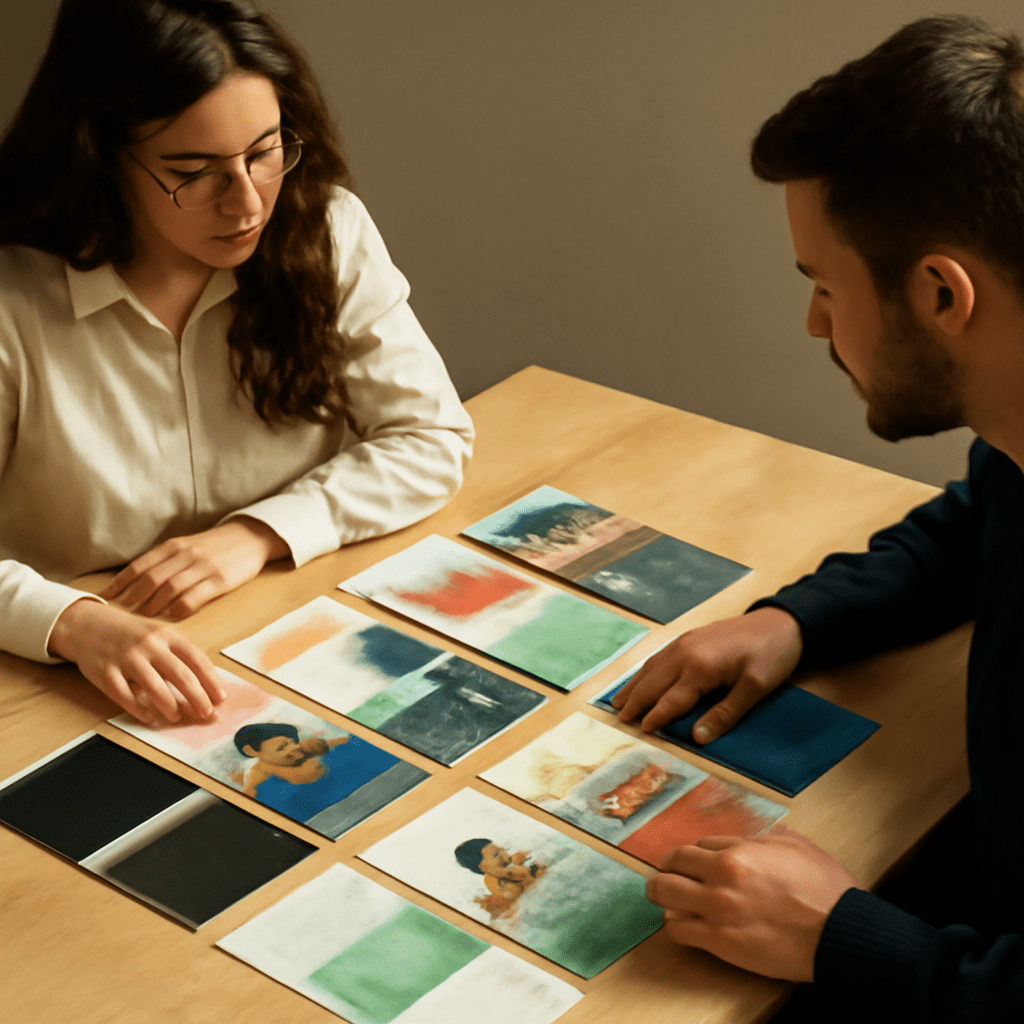
Brochure design plays a pivotal role in communicating a brand’s message and aesthetic, especially within the vibrant worlds of fashion and design culture. A well-crafted brochure not only informs but also captivates the target audience, enhancing the brand’s image and appeal. This guide delves into mastering brochure design, focusing on layout techniques and creating engaging informational brochures tailored for fashion and design enthusiasts.
Understanding Brochure Design Basics
Before diving into the specifics of brochure design, it’s essential to grasp the fundamental principles that underpin successful brochures. At its core, brochure design involves the strategic use of visual elements to convey information effectively. The design should align with the brand’s identity, using consistent colors, fonts, and imagery that reflect the brand’s ethos.
For example, a high-end fashion brand might opt for a minimalist design with elegant typography and high-resolution images, while a streetwear brand might choose bold colors and dynamic layouts. The key is to ensure that the design is not only visually appealing but also relevant to the target audience.
Effective Brochure Layout Techniques
The layout of a brochure is crucial in guiding the reader’s eye and disseminating information clearly and effectively. Here are some essential techniques to consider:
- Grid Systems: Utilize a grid to ensure consistent alignment and spacing. This creates a cohesive structure that aids readability and visual appeal.
- Hierarchy: Establish a clear visual hierarchy by using different font sizes, weights, and colors to distinguish between headings, subheadings, and body text.
- White Space: Embrace white space to avoid clutter and enhance focus on key elements. It provides breathing room and ensures the brochure is easy on the eyes.
- Consistency: Maintain consistency in design elements such as color schemes and typography to reinforce brand recognition and professionalism.
These techniques help create a brochure layout that is not only aesthetically pleasing but also functional, ensuring that the information is accessible and easy to digest.
Crafting Informational Brochures
An informational brochure aims to educate and inform the audience about specific details, such as product features, brand history, or upcoming events. To create an effective informational brochure, consider the following strategies:
- Clear Objectives: Define the purpose of the brochure. What information needs to be conveyed? Tailor the content and design to meet these objectives.
- Audience Understanding: Know your audience. What are their needs and interests? Design and write content that speaks directly to them.
- Compelling Content: Use engaging and concise language. Break down complex information into digestible sections with bullet points or infographics.
- Call to Action: Include a clear call to action to guide the reader towards the desired response, whether it’s visiting a website, attending an event, or making a purchase.
By focusing on these elements, you can create an informational brochure that effectively informs and engages your audience, driving them to take action.
Incorporating Fashion & Design Culture
The fashion and design industries thrive on trends and innovation, and your brochure design should reflect this dynamic culture. Here’s how to incorporate fashion and design elements into your brochures:
- Trend Awareness: Stay updated with the latest fashion and design trends, and incorporate them into your brochure. This could mean using trending color palettes or innovative design techniques.
- Visual Storytelling: Use images and design elements to tell a story that resonates with your brand and audience. High-quality visuals are particularly important in fashion, where aesthetics are paramount.
- Interactive Elements: Consider adding interactive features like QR codes, augmented reality, or digital versions of the brochure to enhance engagement and reach a tech-savvy audience.
- Cultural Context: Be mindful of cultural influences and incorporate elements that resonate with your audience’s cultural background and preferences.
By integrating these aspects, your brochure will not only inform but also reflect the essence of fashion and design culture, making it more relatable and impactful.