Dubai Skyscraper: The Rise of Futuristic Architecture in the Desert
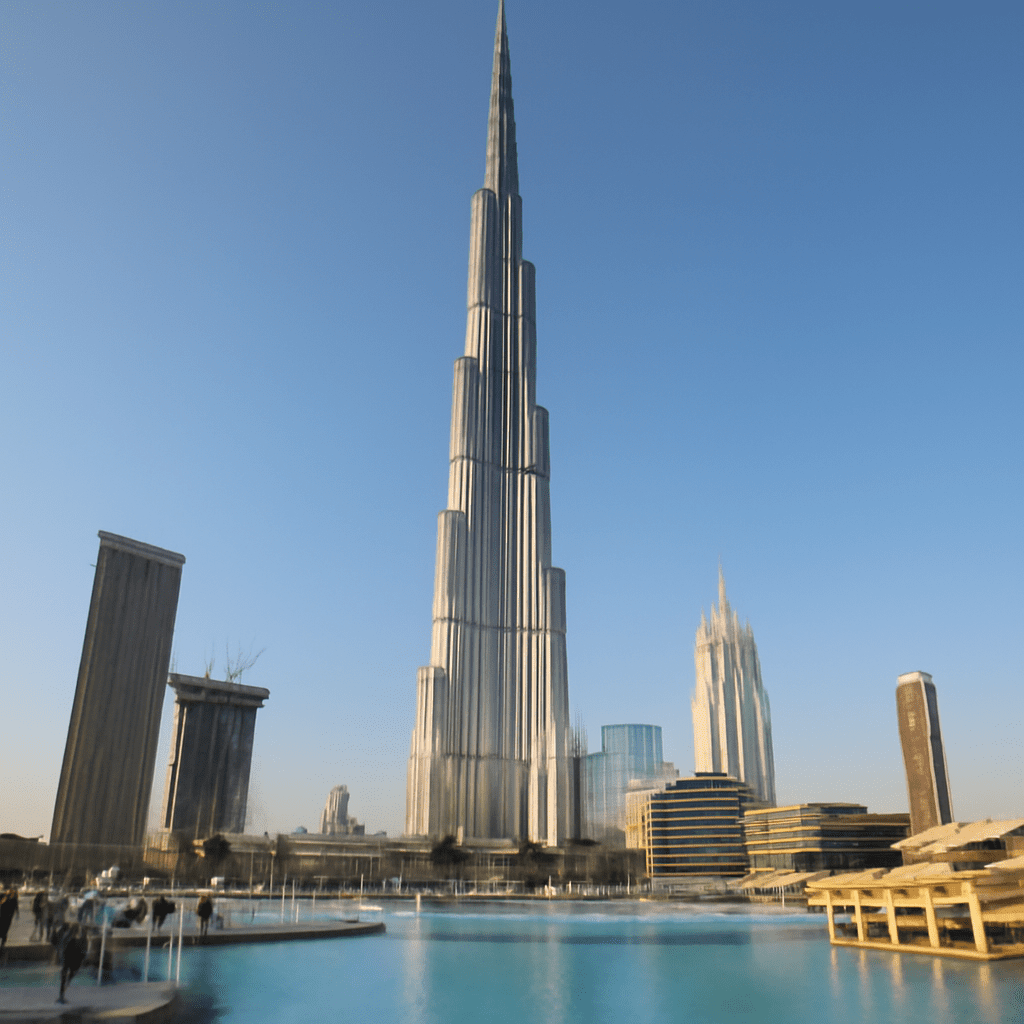
Dubai’s transformation from a modest trading port to a global metropolis is defined by its extraordinary skyline. Nowhere else is the ambition and innovation of a city more evident than in the rise of the Dubai skyscraper. While the Burj Khalifa stands as the most recognized symbol of this ascent, Dubai’s skyline is a tapestry of record-breaking towers, futuristic designs, and a relentless drive for architectural excellence. This article explores the story behind Dubai’s vertical revolution, with a focus on the legendary Burj Khalifa and the new icons reshaping the desert horizon.
The Evolution of Dubai’s Skyscraper Landscape
Less than fifty years ago, Dubai’s skyline was a low-rise mosaic punctuated by minarets and wind-towered houses. The city’s first significant modern high-rise, the Dubai World Trade Centre, was completed in 1979 at just 149 meters. It marked the beginning of Dubai’s fascination with height and modernity. The economic boom of the 1990s, driven by oil revenues and a strategic vision to diversify into tourism and finance, set the stage for a vertical explosion.
The early 2000s saw Dubai’s urban planners and developers embrace unprecedented scales of ambition. The city introduced master-planned districts like Sheikh Zayed Road, Dubai Marina, and Business Bay, each quickly populated with a Dubai skyscraper or cluster of towers. Unlike cities that evolved slowly, Dubai’s development was rapid and deliberate, with government support that fostered experimentation and global collaboration. International architects and engineering firms were drawn to Dubai by the promise of creative freedom and limitless budgets, resulting in some of the world’s most daring structures.
By 2023, Dubai ranked third globally for the number of completed skyscrapers over 150 meters, trailing only Hong Kong and New York. The city’s focus isn’t just on height but also on creating distinctive silhouettes and memorable landmarks. Skyscraper projects are tied to economic diversification goals, attracting tourism, global business, and elite real estate investment.
The relentless pace of construction, combined with advanced project management and modular building techniques, enables Dubai to unveil new architectural achievements year after year. The result is a skyline that constantly evolves, with each decade bringing more groundbreaking towers and audacious feats of engineering.
Burj Khalifa: The Pinnacle of Modern Engineering
The most famous Dubai skyscraper by far, and a symbol of the city itself, is the Dubai Khalifa—better known as the Burj Khalifa. Officially opened in 2010, the Burj Khalifa soars to a height of 828 meters, making it the tallest building in the world. Designed by Adrian Smith of Skidmore, Owings & Merrill, its triple-lobed footprint is inspired by the Hymenocallis desert flower and engineered for super-tall stability.
The construction required pioneering solutions in materials and methods. Over 330,000 cubic meters of concrete and 39,000 tonnes of steel rebar were used, with a central reinforced concrete core and wings to provide structural support against high desert winds. The building’s telescopic, stepped design minimizes wind load and vortex shedding, critical factors for such unprecedented height.
The Burj Khalifa is not just an engineering accomplishment; it’s a vertical city. It houses offices, luxury residences, the Armani Hotel, restaurants, fitness clubs, and observation decks open to the public. The At The Top and SKY observation decks at levels 124, 125, and 148 provide panoramic views of Dubai and, on clear days, the shores of Iran across the Persian Gulf. The tower’s LED-lit exterior hosts multimedia shows and fireworks that have become global New Year’s Eve highlights.
The Burj Khalifa’s impact on Dubai is immeasurable. It established the city’s reputation as a leader in futuristic urban development, inspired a new generation of super-tall projects, and set benchmarks for sustainability and energy efficiency in skyscraper design. Its success has driven developers to plan ever-taller and more innovative towers, cementing Dubai’s status as the world’s skyscraper capital.
Notable Skyscrapers Shaping Dubai’s Skyline
While the Burj Khalifa dominates Dubai’s skyline, the city is home to a diverse array of other skyscrapers, each with its own story and architectural signature. The twisting Cayan Tower in Dubai Marina, also known as the “Infinity Tower,” features a unique 90-degree spiral design that challenges conventional engineering and offers dramatic sea views on every floor.
Marina 101, standing at 425 meters, is the second tallest building in Dubai and houses a mix of residential space and the Hard Rock Hotel. The twin Emirates Towers, completed in 2000 with their sleek, triangular profiles, symbolize Dubai’s emergence as a business powerhouse. The Address Downtown, notable for its curved silhouette and proximity to the Burj Khalifa and Dubai Fountain, became a global focal point during its 2015 fire and subsequent speedy restoration.
Other significant towers include the Rose Rayhaan by Rotana, once the world’s tallest hotel, and the sail-shaped Burj Al Arab, which helped launch Dubai’s brand as a luxury destination. The under-construction Dubai Creek Tower, designed to eclipse even the Burj Khalifa, promises to redefine the skyline yet again upon its completion, with an estimated height over 1,000 meters.
Dubai’s skyscrapers are not isolated icons; many are part of mixed-use developments and master-planned communities that blend residential, commercial, and leisure spaces. This integration supports the city’s vision of walkable, vibrant neighborhoods anchored by architectural marvels.
Architectural Styles and Innovations in Dubai
Dubai’s approach to skyscraper design is eclectic, borrowing and reinventing ideas from across the world while reflecting local culture and climate. The city’s towers range from ultra-modern glass-and-steel forms to structures inspired by Islamic motifs and regional heritage. For instance, the crescent arcs of the Jumeirah Emirates Towers echo traditional Arabian geometry, while the stepped setbacks of the Burj Khalifa recall regional minarets and terraced forms.
Innovative construction techniques are crucial in Dubai’s harsh desert environment. High-performance glass facades, advanced cooling systems, and shading devices combat heat and solar glare. Many skyscrapers use double-skin facades and integrated water recycling systems to boost sustainability, a growing priority as Dubai positions itself as a leader in green construction. The Opus by Zaha Hadid, for example, features a futuristic void at its center created through parametric design and advanced 3D modeling software.
Tower clustering and vertical mixed-use concepts are also prevalent, with integrated podiums housing retail, leisure, and public spaces. The Palm Tower, situated at the heart of Palm Jumeirah, offers sky gardens and rooftop dining, blending hospitality and high-rise living. These innovations reflect Dubai’s ambition to create not only visually stunning skyscrapers but also functional, community-oriented urban environments.
With each new project, Dubai’s architects and developers push boundaries in design, technology, and sustainability. The city continues to attract talent and investment from around the globe, ensuring that its skyline remains dynamic and at the forefront of architectural innovation for years to come.