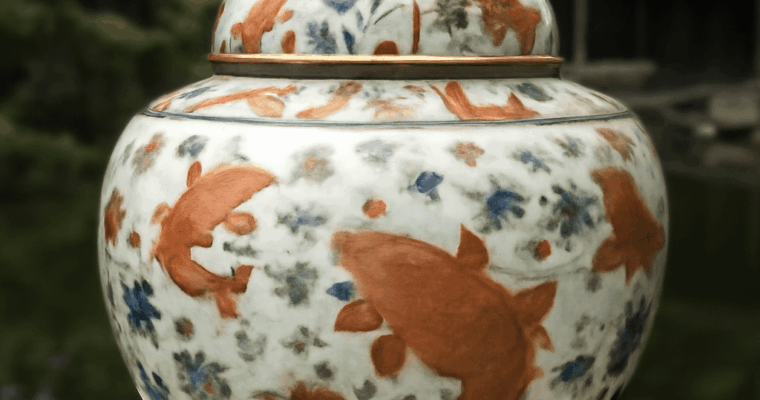
Chinese Porcelain: Materials, Kilns, and Visual Traditions

Chinese Porcelain: Materials, Kilns, and Visual Traditions

Chinese porcelain is one part of a broader history. Learn how ceramics from China developed through earthenware, stoneware, celadons, white wares, kilns, vessel forms, glazes, and decoration.

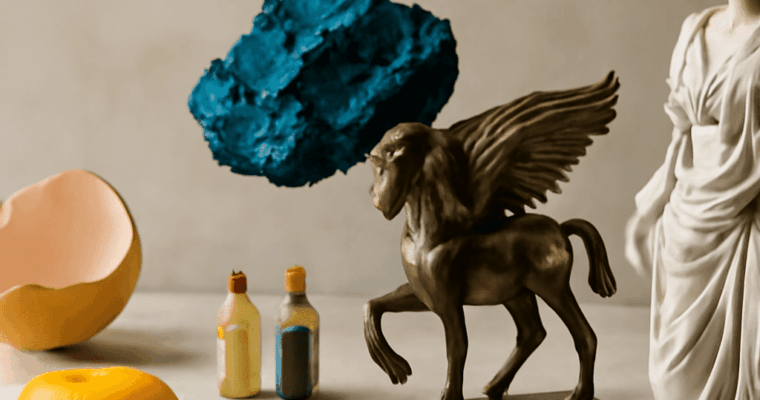
Kinetic Sculpture: Art Designed to Move

Kinetic Sculpture: Art Designed to Move

Learn how kinetic sculpture uses wind, gravity, motors, magnets, water, and viewers to animate three-dimensional art—and how speed, sound, balance, and chance reshape what you see.

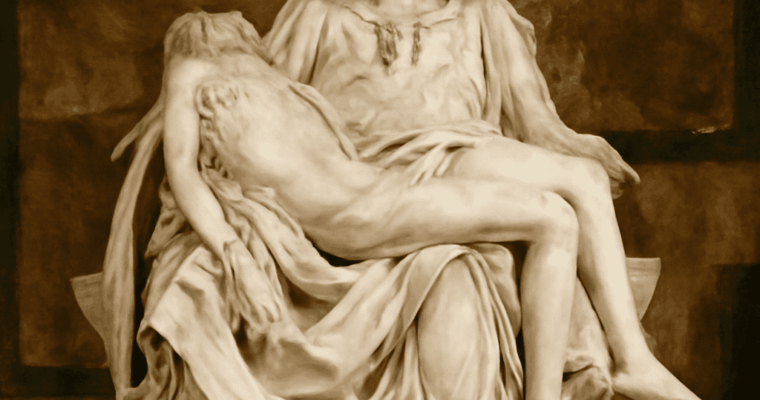
Famous Statues Across History: From Antiquity to Modern Art

Famous Statues Across History: From Antiquity to Modern Art

Famous statues across history, from the Venus of Willendorf and Augustus of Prima Porta to Michelangelo’s David, Pietà, and Moses. See how material, form, and public meaning changed sculpture.

What Is an Artist’s Medium? How Art Mediums Shape Possibility

What Is an Artist’s Medium? How Art Mediums Shape Possibility

An artist’s medium is the material or method used to make an artwork. Learn how art mediums shape process, form, surface, scale, reproduction, and the viewer’s experience.

Different Types of Art Mediums: A Practical Visual Guide

Different Types of Art Mediums: A Practical Visual Guide

Explore different types of art mediums, from drawing and painting to photography, digital art, sculpture, and sound. Learn what material or process defines each, with examples of mixed-media work.

Different Mediums of Art: A Practical Guide to Materials and Forms

Different Mediums of Art: A Practical Guide to Materials and Forms

Different mediums of art: define medium, material, technique, format, and genre, and compare drawing, painting, printmaking, photography, digital art, sculpture, performance, sound, and mixed media.

Sculpture Mediums: Materials and Modeling Methods for Beginners

Sculpture Mediums: Materials and Modeling Methods for Beginners

Sculpture mediums include clay, wax, plaster, wood, stone, metal, and paper. Compare workability, support, finish, and permanence, then follow a modeling process from concept to finished form.