Exploring MC Escher’s Art: A Journey Through His Unique Creations
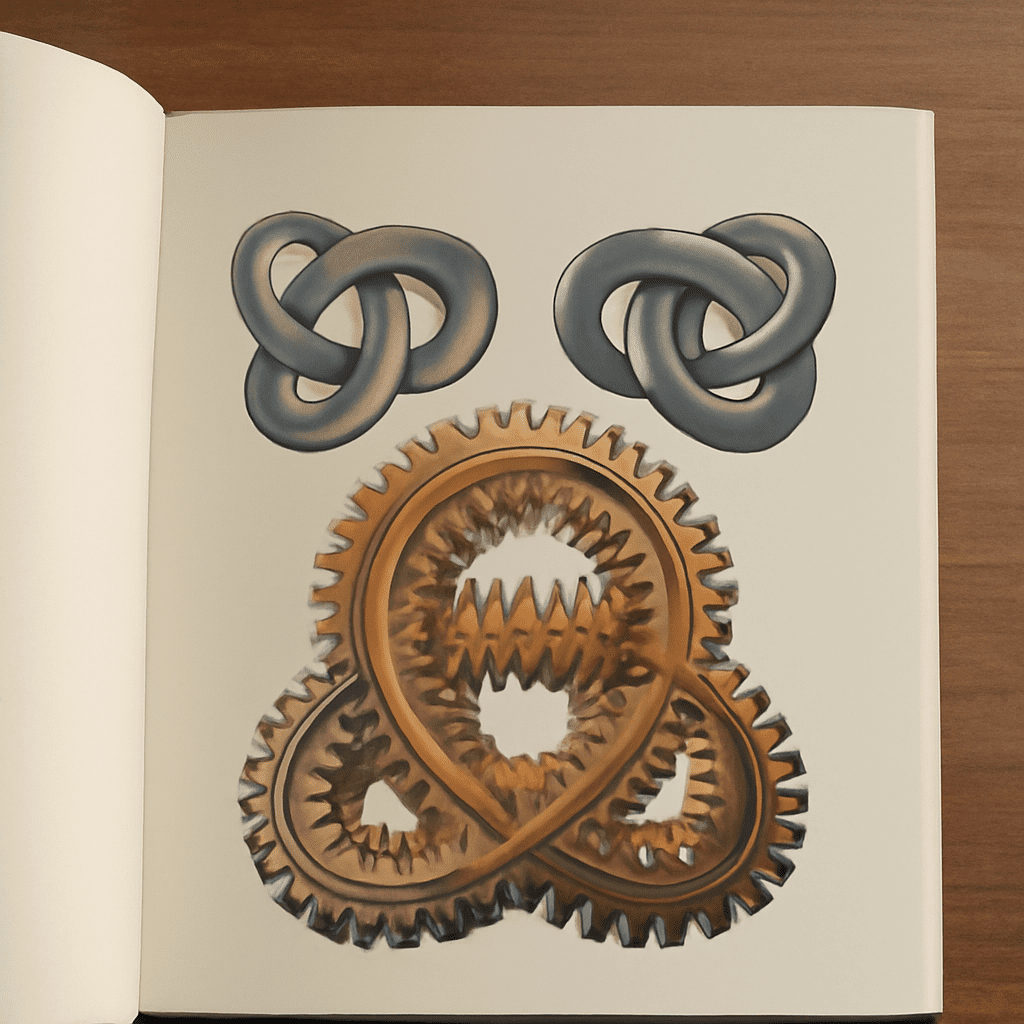
MC Escher, a master of combining art with mathematical principles, has captivated audiences for decades with his unique approach to creating art. His works are renowned for their intricate patterns, impossible constructions, and optical illusions that challenge the viewer’s perception. Escher’s art beautifully bridges the gap between the structured world of mathematics and the imaginative realm of visual art, making his creations both intellectually stimulating and visually captivating.
Introduction to MC Escher’s Art
MC Escher’s art is a fascinating fusion of geometry, perspective, and creativity. Born in the Netherlands in 1898, Escher initially pursued architecture before realizing his passion for graphic art. His works often explore themes of infinity, symmetry, and transformation, all while defying conventional artistic norms. Escher’s ability to manipulate space and perspective allows him to create artworks that seem to defy the laws of physics, offering viewers a new way to see the world around them.
Key Themes in Escher’s Artwork
One of the most prominent themes in Escher’s artwork is the concept of infinity. This is evident in pieces like “Drawing Hands,” which depict two hands drawing each other, creating an endless loop. Another common theme is transformation, as seen in “Metamorphosis II,” where images gradually evolve into entirely different forms, challenging the viewer’s perception of continuity and change.
Escher also frequently explored symmetry and tessellation, drawing inspiration from Islamic art and architecture. His prints often feature repeating geometric patterns that fit together perfectly, creating a sense of order and harmony. These themes not only showcase Escher’s mathematical prowess but also highlight his ability to find beauty in structured complexity.
Techniques Used by Escher
Escher’s mastery of technique is a key factor in the enduring appeal of his art. He employed lithography, woodcutting, and mezzotint to create his prints, each technique lending a different texture and depth to his works. Lithography, a method of printing using a stone or metal plate, allowed Escher to create highly detailed images with sharp contrasts between light and dark areas.
Woodcutting, on the other hand, involved carving images into blocks of wood, allowing for bold and striking designs. Mezzotint, a technique used to produce images with soft gradations of tone, enabled Escher to add a sense of dimensionality and realism to his prints. His meticulous attention to detail and his proficiency with these techniques contributed to the otherworldly quality of his art.
Famous Escher Artworks
Among the most iconic of Escher’s creations is “Relativity,” a lithograph that depicts a world where the normal laws of gravity do not apply. The piece features staircases that seem to lead in all directions, creating a disorienting yet mesmerizing effect. Another famous work, “Ascending and Descending,” showcases an endless loop of figures climbing and descending an impossible staircase, a visual paradox that has intrigued audiences for years.
“Waterfall” is yet another masterpiece by Escher, illustrating a perpetually flowing watercourse that defies the laws of physics. The water appears to flow uphill, powering a waterwheel, before cascading down again in a never-ending cycle. This piece highlights Escher’s ability to create visually compelling illusions that invite viewers to question their understanding of reality.
Escher’s “Hand with Reflecting Sphere,” also known as “Self-portrait in Spherical Mirror,” is a thought-provoking piece that captures the artist himself holding a reflective sphere. The artwork not only serves as a self-portrait but also demonstrates Escher’s fascination with perspective, reflection, and self-reference.
MC Escher’s art continues to inspire and challenge viewers, offering a glimpse into a world where imagination and mathematics coexist in perfect harmony. His unique ability to blend technical precision with creative vision has cemented his place as one of the most innovative artists of the 20th century.