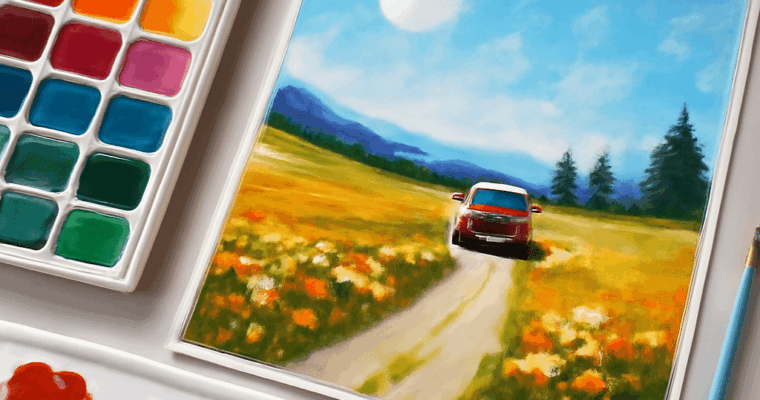
What Is an Artist’s Medium? How Art Mediums Shape Possibility
An artist’s medium is the material or method used to make an artwork. Learn how art mediums shape process, form, surface, scale, reproduction, and the viewer’s experience.
An artist’s medium is the material or method used to make an artwork. Learn how art mediums shape process, form, surface, scale, reproduction, and the viewer’s experience.
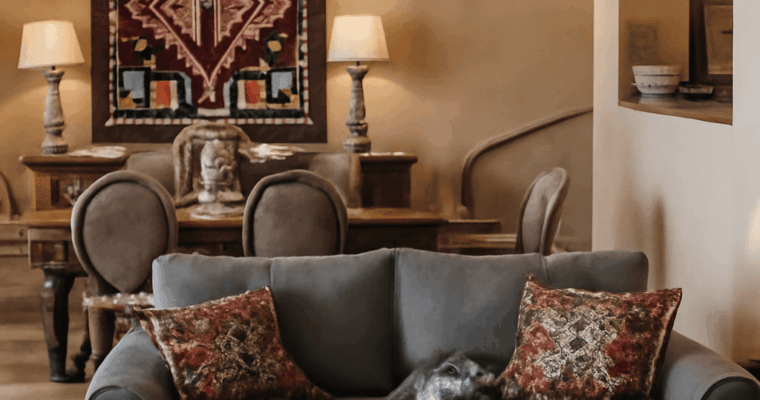
Explore southwestern decorating ideas through climate-responsive architecture, plaster, timber, clay, leather, wool, and desert color. Use substantial furniture, textiles, art, and craft to shape a contemporary room.

Different types of art mediums are defined by the material, tool, or process used to make an artwork. Drawing uses marks, painting applies pigment, photography records light, sculpture occupies space, and performance unfolds through live action. Understanding these categories makes it easier to identify what an artwork is made from and how it works.
The terms medium, material, and technique overlap, but they are not interchangeable. The medium is the broad art-making form; the material is the physical substance; and the technique is the method used to shape it.
An art medium is the primary means through which an artist creates an artwork. Drawing, painting, printmaking, photography, sculpture, film, and performance are all media. “Media” is the plural of “medium,” so types of media in art means the different forms or processes artists use.
A material is what the work physically consists of. Graphite, ink, canvas, oil paint, wood, clay, fabric, light, and recorded sound are materials. A technique is the action used to control a material, such as cross-hatching with graphite, glazing with oil paint, carving wood, throwing clay, or weaving thread.
A format describes the work’s presentation or shape: a mural, portrait, poster, book, video, site-specific work, or digital file. A genre identifies a conventional category or subject area, such as still life, landscape, portraiture, documentary, or science fiction. The subject is what the work depicts or addresses, such as a person, place, event, memory, or political issue. These labels can describe the same artwork without replacing its medium.
Drawing is a two-dimensional medium based on lines, tones, and marks applied to a surface. Common materials include graphite, charcoal, colored pencil, pastel, ink, and chalk. A graphite portrait on paper is a direct example: the paper is the support, graphite is the material, and shading or cross-hatching is the technique.
Painting uses liquid or spreadable pigment on a surface. The medium may be oil, acrylic, watercolor, gouache, or tempera, while canvas, wood panel, paper, or wall serves as the support. For example, an acrylic mural combines acrylic paint with the technique of layering broad brushstrokes across a large wall.
Printmaking creates impressions by transferring ink from a prepared surface, or matrix, to paper or another material. Relief printing cuts away part of a wood or linoleum block; etching uses an incised metal plate; lithography relies on a treated stone or plate; and screen printing pushes ink through a stencil. A limited-edition linocut poster is a clear printmaking example because the carved block and repeated transfer process define the work.
These are primarily two-dimensional media, but their surfaces and processes differ. A drawing is usually made directly on its support, a painting builds an image with pigment, and a print is transferred from a matrix.
Photography is a lens-based medium that records light through a camera onto film or an electronic sensor. Its materials may include photosensitive film, photographic paper, or digital data. A black-and-white street photograph made with a film camera is defined by the capture and development of light-sensitive film, not simply by its monochrome appearance.
Film and video are time-based, lens-based media that arrange moving images, sound, duration, and editing. A short documentary is an example of film: its medium includes recorded images and audio organized into a sequence. The final format might be a digital video file or a cinema screening, while documentary is the genre.
Digital art uses computer code, digital tools, sensors, or electronic displays as part of its making or presentation. A digitally painted illustration made with a tablet and stylus is one example. Other forms include 3D modeling, generative art, animation, interactive websites, and projection-based work. A digital file is a format; the software, code, interface, or electronic process helps define the medium.
Sculpture is a three-dimensional medium concerned with volume, mass, surface, and space. Artists may carve stone or wood, model wax or clay, cast metal, assemble found objects, or construct with glass and plastic. A carved marble figure is a sculpture because subtractive carving shapes a solid material into a form; an assembled steel structure uses a different material and process within the same broad medium.
Ceramics centers on clay shaped by hand, wheel, mold, or construction and then hardened through firing. A wheel-thrown stoneware bowl is a representative example. Its clay body, glaze, and kiln firing are more specific than the general category of sculpture, although ceramic objects can be sculptural rather than functional.
Textile art uses fibers and flexible surfaces through weaving, sewing, knitting, embroidery, quilting, dyeing, or knotting. An embroidered wall hanging combines fabric, thread, and stitched marks. Installation is a spatial medium in which objects, materials, light, sound, or architecture are arranged for a particular environment. For example, a room filled with hanging fabric, dim light, and recorded voices creates an installation that viewers experience by moving through it.
Performance art uses the artist’s body, actions, presence, and duration as its main medium. A live work in which an artist repeatedly folds and unfolds a flag for one hour is defined by the action and its time-based encounter with an audience. Photographs or video may document it, but documentation is not automatically the performance itself.
Sound art uses recorded audio, live voices, instruments, field recordings, electronics, or silence. A gallery work that plays layered recordings of harbor machinery through directional speakers is a sound-based artwork. The speakers and room affect the presentation, but the organized audio and listening experience are central.
Mixed-media art combines two or more distinct media in one work, such as paint, collage, photography, fabric, and found objects. A canvas with acrylic paint, pasted newspaper, stitched thread, and a mounted photograph remains identifiable through each component’s role. Interdisciplinary art can extend this approach by combining visual art with architecture, science, theater, dance, code, or sound. Combining media does not erase their differences: the paint still produces a surface, the photograph still records or presents an image, and the sound still operates through duration and listening.
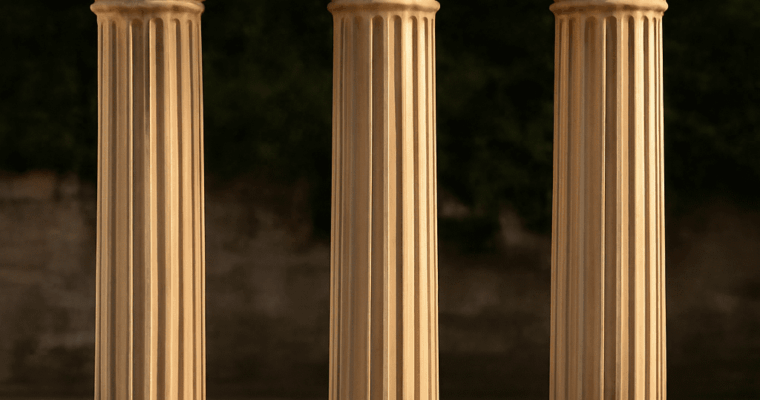
Greek column styles become easy to spot: compare Doric, Ionic, and Corinthian bases, shafts, capitals, fluting, proportions, and entablature clues, with a reliable identification sequence.
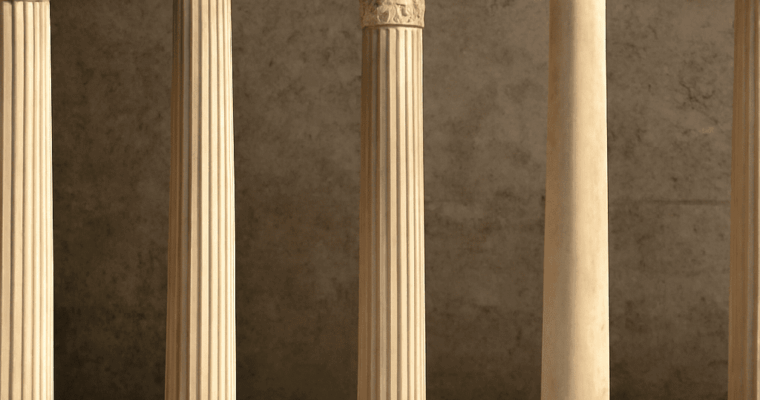
Greek column types are easiest to identify as complete systems of base, shaft, capital, and entablature. Learn the classical orders. Compare Doric and Ionic with Corinthian forms.
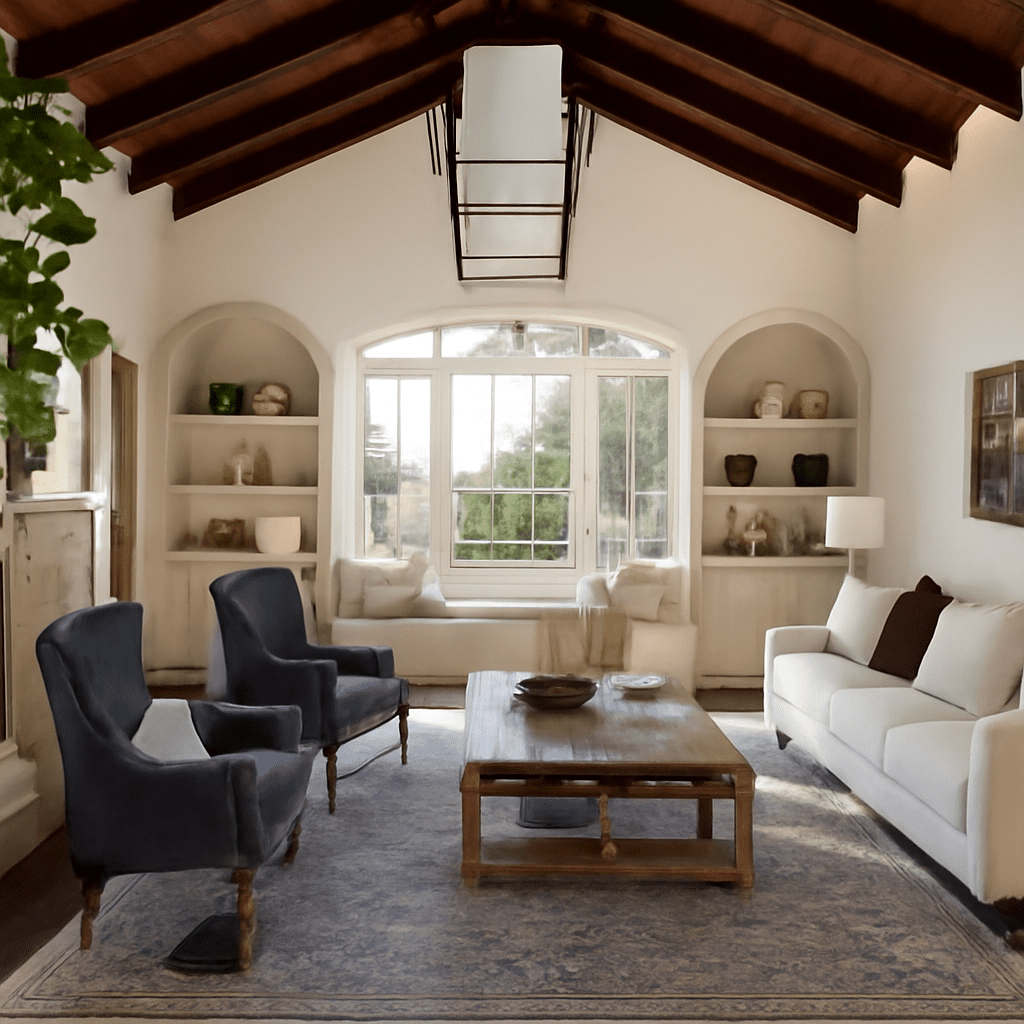
Spanish style homes are a broad family of regional and revival traditions, not one fixed historical template. Their most recognizable quality is the connection between climate-responsive architecture and a tactile interior: stucco or plaster, clay tile, shaded openings, courtyards, timber, iron, and warm natural surfaces work together rather than appearing as unrelated decoration.
Spanish architecture homes may borrow from several periods and places, while Spanish style interior design translates the same ideas into proportion, light, texture, and craft. The result can feel informal, cool, sheltered, and connected to outdoor space without reproducing every historic detail.
The term Spanish-style covers a range of interpretations. A house may draw from vernacular buildings in Spain, Spanish Colonial architecture in the Americas, or later Spanish Revival designs. These influences overlap, but they are not interchangeable. Spanish Colonial traditions developed in specific colonial regions and often reflect local materials and building methods. Mission Revival commonly simplifies the forms associated with California missions. Mediterranean Revival is a broader modern category influenced by several coastal cultures, while Pueblo traditions have distinct Indigenous roots and should not be treated as a Spanish substitute.
For that reason, a Spanish-style home is better identified by a combination of features than by a checklist. A low, grounded silhouette, stucco walls, clay roof tile, recessed windows, an arcade, and a courtyard create a recognizable family resemblance. The exact mix depends on location, period, climate, and whether the design is a revival interpretation or a closer historical reference.
Exterior form establishes the style before any decorative detail is added. Stucco gives walls a continuous, mineral surface that can appear thick and protective. White, cream, sand, ochre, and muted earth tones are common, although regional examples may use stronger color. Clay tile roofs, often barrel-shaped or low-pitched, add weight and a warm counterpoint to the walls. Roof tile also suits climates where shade, thermal mass, and durable materials matter.
Openings are typically deep-set rather than flush with the facade. Recessed windows, heavy wood shutters, small openings, and covered porches reduce direct sun and create stronger shadow lines. Arches may frame doors, windows, passageways, or arcades, but their purpose is spatial as well as visual: they create a gradual transition between bright exterior areas and sheltered rooms.
Courtyards extend that transition. Instead of treating the garden as a separate view beyond the house, the plan can wrap around a protected outdoor room. An arcade, covered walkway, fountain, planted bed, or tiled floor gives the courtyard a sense of enclosure. Indoors, this arrangement produces rooms oriented toward filtered light, airflow, and repeated views of textured walls, greenery, and tile.
Spanish style interior design carries the exterior’s sense of mass and shelter indoors. Walls may be finished in smooth or lightly irregular plaster rather than crisp, highly reflective paint. Limewashed whites, warm neutrals, terracotta, tobacco brown, and muted blue or green create a grounded palette. Texture matters because it changes how sunlight moves across a room: a hand-finished wall can make a simple space feel more substantial without adding visual clutter.
Timber introduces warmth and structure. Exposed beams, ceiling boards, wide-plank floors, carved doors, and built-in cabinetry can contrast with pale plaster. The wood does not need to look heavily distressed; a restrained finish often shows the grain more clearly and keeps the room from becoming theatrical. Tile may continue from an entry or courtyard into a kitchen, hall, or bathroom, visually linking indoor and outdoor zones.
Spatial character is equally important. Thick-looking walls, deep doorways, niches, benches, and low transitions make rooms feel sheltered and connected. Furnishings usually work best when they leave those architectural surfaces visible. A leather chair, woven textile, stone table, or simple linen curtain can reinforce the atmosphere more effectively than a room filled with overtly themed accessories.
Craft details give Spanish-style homes their close-range interest. Patterned tile can define a stair riser, fireplace surround, backsplash, entry floor, or courtyard border. Hand-painted and geometric patterns are especially effective when used in a controlled area, with surrounding surfaces kept quiet. Terracotta tile, whether patterned or plain, adds variation through its irregular edges, matte finish, and natural color shifts.
Ironwork appears in grilles, balconies, stair rails, door hardware, lanterns, and window guards. Its dark lines provide contrast against stucco and plaster, while an open grille can add security or shade without becoming visually heavy. Timber doors and beams bring another layer of craft through visible joints, simple carving, pegs, or iron straps. These materials feel related because each is durable, tactile, and capable of aging with character.
A contemporary interpretation should begin with proportion and material rather than copied motifs. Use a limited palette of plaster, wood, tile, iron, and stone, then let natural light reveal their differences. A plain arched opening may contribute more than several decorative arches, especially when it aligns a room with a courtyard or frames a shaded view.
The strongest result is specific without being literal: a house with grounded proportions, shaded thresholds, handmade surfaces, and a clear relationship between rooms and outdoor space. Those qualities preserve the character of Spanish-style homes while allowing the architecture and interior to belong to the present.
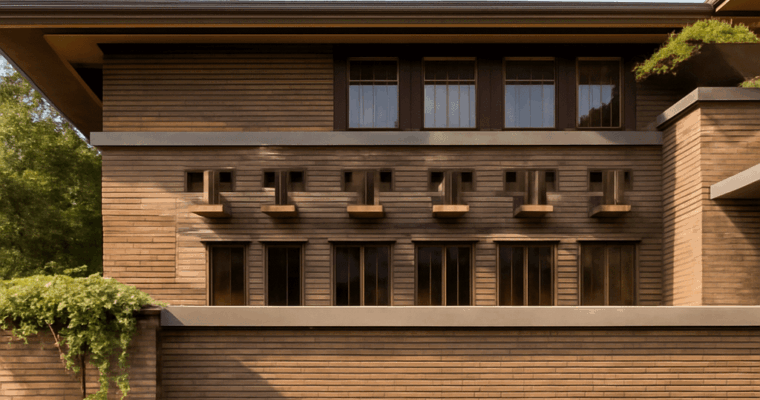
Learn how prairie architecture took shape in the Midwest and how Frank Lloyd Wright developed its language through low forms, broad eaves, open plans, central hearths, and integrated interiors.
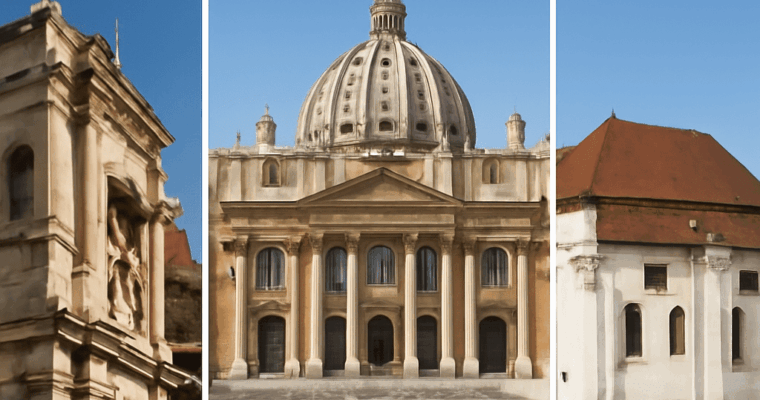
Baroque church architecture uses curved plans, layered facades, domes, controlled light, illusionistic ceilings, sculpture, and rich materials to turn worship into a dramatic experience across Europe.
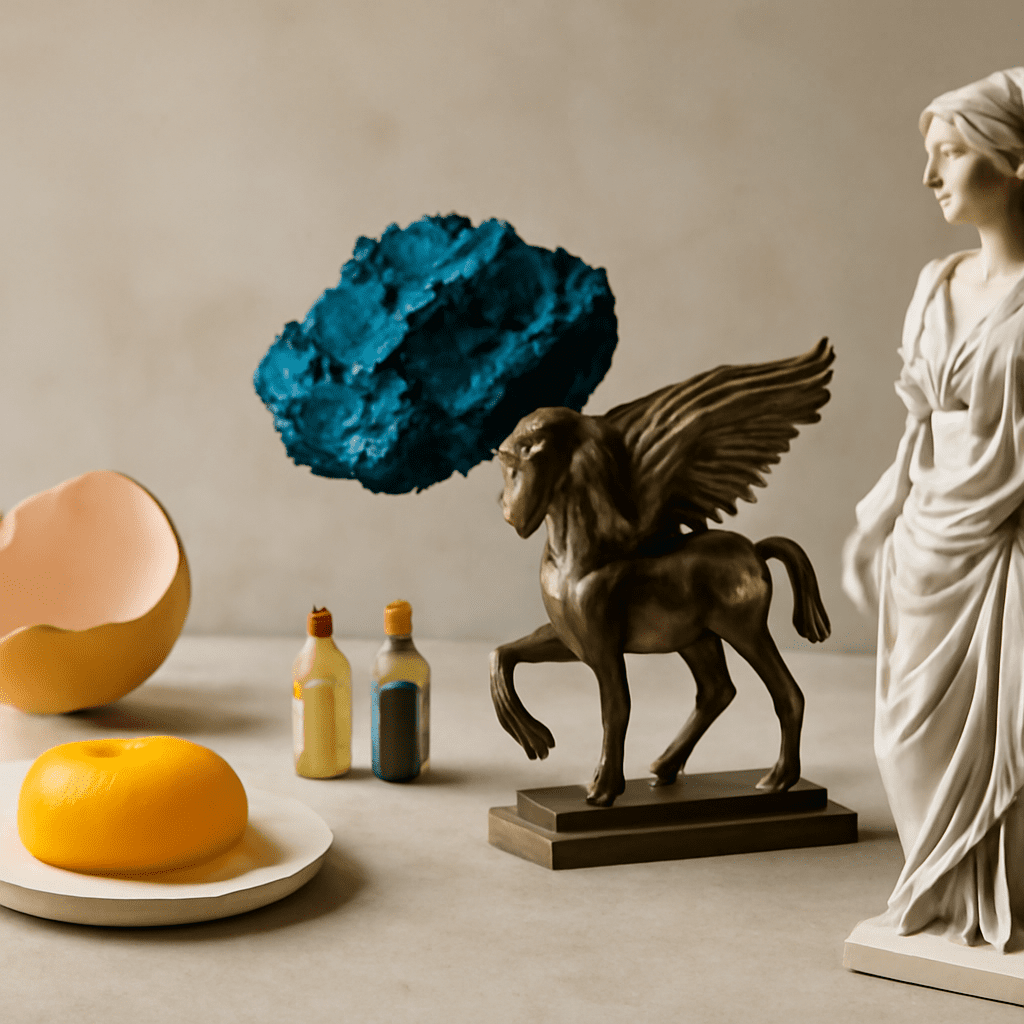
Different mediums of art describe the materials and processes artists use to make marks, images, objects, environments, or events. Drawing, painting, printmaking, photography, sculpture, ceramics, textiles, digital art, performance, and sound each create different possibilities for surface, scale, movement, and viewer involvement.
Knowing the difference between a medium and a technique makes it easier to discuss art accurately and choose materials for your own work. The most useful comparisons concern what the work is made from, how it is produced, whether it can be reproduced, and how an audience experiences it.
A medium is the broad artistic means used to make a work. Oil painting, photography, sculpture, and performance are examples of media. The plural is often written as media, although “mediums” is also common when discussing different artistic practices.
These terms overlap but are not interchangeable. An oil portrait uses oil paint as its medium and pigment suspended in oil as its material; brushwork is a technique, while portraiture is its genre. A mural is a format or presentation scale, not automatically a medium. A single artwork can therefore have one medium, several materials, multiple techniques, and a recognizable genre.
This art mediums list begins with practices in which marks, color, and images primarily occupy a flat surface. They may be displayed on paper, canvas, wood, walls, fabric, or a digital screen.
Two-dimensional media are not limited to flat visual effects. Paper grain, woven supports, glossy varnish, scratched plates, and thick paint give a surface physical character. The support also affects scale: a small drawing invites close inspection, while a mural addresses the body from a distance and may be encountered while moving through a space.
Photography and film are lens-based media: they use a camera or optical system to record light, although artists may manipulate, stage, alter, or construct what is recorded. A photograph may be printed on paper, exposed onto film, displayed as a projection, or viewed as a digital file. The camera introduces framing, focus, timing, exposure, and selection as central artistic decisions.
Digital works may be reproduced perfectly or generated differently each time, depending on their files, software, instructions, or interaction. Screen brightness, resolution, interface, and device size can alter the encounter. A projected animation therefore behaves differently from a fixed photographic print, even when both originate as image files.
Three-dimensional and time-based artistic mediums make space, bodily movement, material weight, or duration central to the work.
These practices often change how viewers encounter art. A sculpture invites physical navigation, an installation can surround or obstruct the audience, and performance may be temporary or unrepeatable. Sound and film require time, unlike a still image that can be scanned in an instant.
Mixed media combines two or more media or material processes, such as paint and collage, photography and text, ceramics and sound, or sculpture with video. When the combination is central, it is more accurate to describe the work as mixed media or interdisciplinary rather than forcing it into one category.
Compare media through these criteria:
Using these comparisons keeps the focus on what the medium makes possible: a particular surface, process, scale, lifespan, and relationship with its audience.
Nature colors become usable design palettes when you sample by role, then balance value, saturation, warmth, and neutrals. Learn a practical method with four sunset schemes.