Different Types of Art Mediums: A Practical Visual Guide
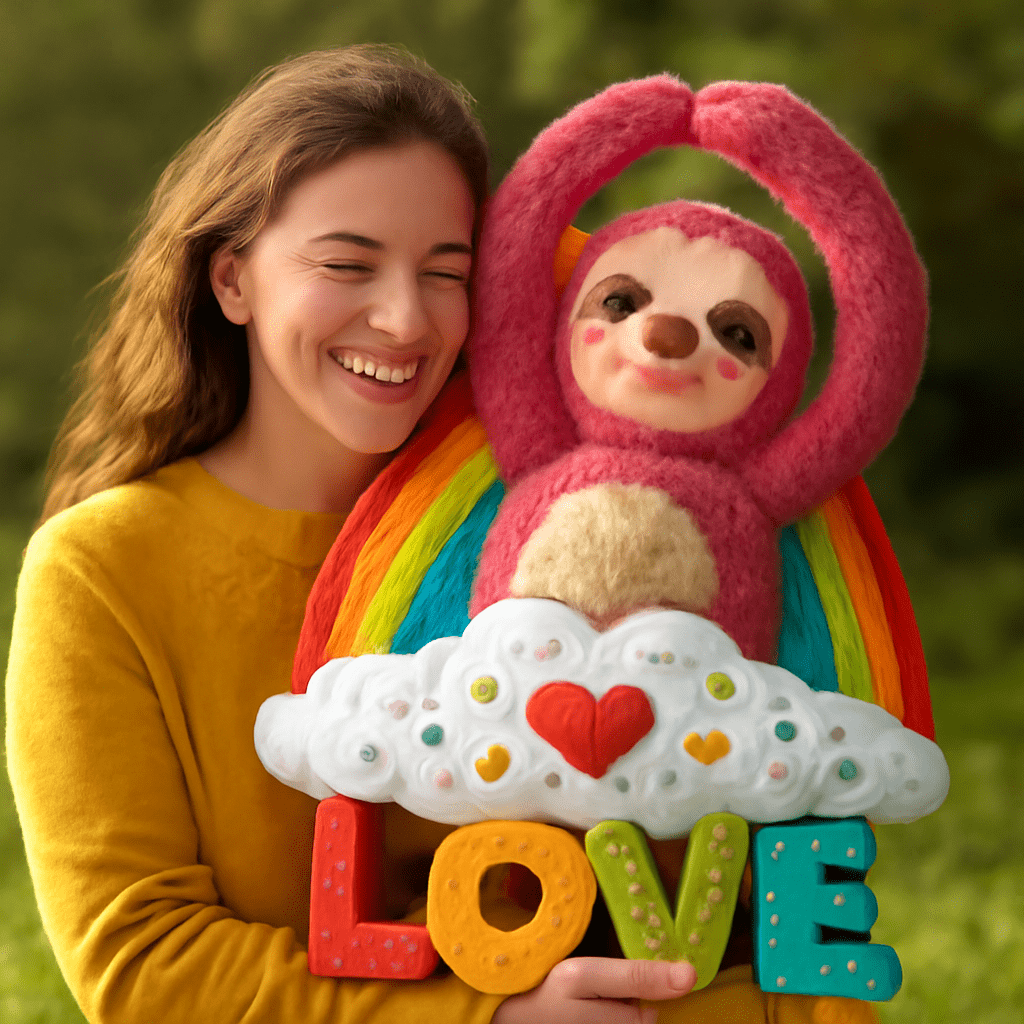
Different types of art mediums are defined by the material, tool, or process used to make an artwork. Drawing uses marks, painting applies pigment, photography records light, sculpture occupies space, and performance unfolds through live action. Understanding these categories makes it easier to identify what an artwork is made from and how it works.
The terms medium, material, and technique overlap, but they are not interchangeable. The medium is the broad art-making form; the material is the physical substance; and the technique is the method used to shape it.
Different Types of Art Mediums: Medium, Material, Technique, Format, Genre, and Subject
An art medium is the primary means through which an artist creates an artwork. Drawing, painting, printmaking, photography, sculpture, film, and performance are all media. “Media” is the plural of “medium,” so types of media in art means the different forms or processes artists use.
A material is what the work physically consists of. Graphite, ink, canvas, oil paint, wood, clay, fabric, light, and recorded sound are materials. A technique is the action used to control a material, such as cross-hatching with graphite, glazing with oil paint, carving wood, throwing clay, or weaving thread.
A format describes the work’s presentation or shape: a mural, portrait, poster, book, video, site-specific work, or digital file. A genre identifies a conventional category or subject area, such as still life, landscape, portraiture, documentary, or science fiction. The subject is what the work depicts or addresses, such as a person, place, event, memory, or political issue. These labels can describe the same artwork without replacing its medium.
Types of Media in Art: Drawing, Painting, and Printmaking
Drawing is a two-dimensional medium based on lines, tones, and marks applied to a surface. Common materials include graphite, charcoal, colored pencil, pastel, ink, and chalk. A graphite portrait on paper is a direct example: the paper is the support, graphite is the material, and shading or cross-hatching is the technique.
Painting uses liquid or spreadable pigment on a surface. The medium may be oil, acrylic, watercolor, gouache, or tempera, while canvas, wood panel, paper, or wall serves as the support. For example, an acrylic mural combines acrylic paint with the technique of layering broad brushstrokes across a large wall.
Printmaking creates impressions by transferring ink from a prepared surface, or matrix, to paper or another material. Relief printing cuts away part of a wood or linoleum block; etching uses an incised metal plate; lithography relies on a treated stone or plate; and screen printing pushes ink through a stencil. A limited-edition linocut poster is a clear printmaking example because the carved block and repeated transfer process define the work.
These are primarily two-dimensional media, but their surfaces and processes differ. A drawing is usually made directly on its support, a painting builds an image with pigment, and a print is transferred from a matrix.
Examples of Art Mediums: Photography, Film, and Digital Art
Photography is a lens-based medium that records light through a camera onto film or an electronic sensor. Its materials may include photosensitive film, photographic paper, or digital data. A black-and-white street photograph made with a film camera is defined by the capture and development of light-sensitive film, not simply by its monochrome appearance.
Film and video are time-based, lens-based media that arrange moving images, sound, duration, and editing. A short documentary is an example of film: its medium includes recorded images and audio organized into a sequence. The final format might be a digital video file or a cinema screening, while documentary is the genre.
Digital art uses computer code, digital tools, sensors, or electronic displays as part of its making or presentation. A digitally painted illustration made with a tablet and stylus is one example. Other forms include 3D modeling, generative art, animation, interactive websites, and projection-based work. A digital file is a format; the software, code, interface, or electronic process helps define the medium.
Sculpture, Ceramics, Textiles, and Installation
Sculpture is a three-dimensional medium concerned with volume, mass, surface, and space. Artists may carve stone or wood, model wax or clay, cast metal, assemble found objects, or construct with glass and plastic. A carved marble figure is a sculpture because subtractive carving shapes a solid material into a form; an assembled steel structure uses a different material and process within the same broad medium.
Ceramics centers on clay shaped by hand, wheel, mold, or construction and then hardened through firing. A wheel-thrown stoneware bowl is a representative example. Its clay body, glaze, and kiln firing are more specific than the general category of sculpture, although ceramic objects can be sculptural rather than functional.
Textile art uses fibers and flexible surfaces through weaving, sewing, knitting, embroidery, quilting, dyeing, or knotting. An embroidered wall hanging combines fabric, thread, and stitched marks. Installation is a spatial medium in which objects, materials, light, sound, or architecture are arranged for a particular environment. For example, a room filled with hanging fabric, dim light, and recorded voices creates an installation that viewers experience by moving through it.
Performance, Sound, and Mixed Media
Performance art uses the artist’s body, actions, presence, and duration as its main medium. A live work in which an artist repeatedly folds and unfolds a flag for one hour is defined by the action and its time-based encounter with an audience. Photographs or video may document it, but documentation is not automatically the performance itself.
Sound art uses recorded audio, live voices, instruments, field recordings, electronics, or silence. A gallery work that plays layered recordings of harbor machinery through directional speakers is a sound-based artwork. The speakers and room affect the presentation, but the organized audio and listening experience are central.
Mixed-media art combines two or more distinct media in one work, such as paint, collage, photography, fabric, and found objects. A canvas with acrylic paint, pasted newspaper, stitched thread, and a mounted photograph remains identifiable through each component’s role. Interdisciplinary art can extend this approach by combining visual art with architecture, science, theater, dance, code, or sound. Combining media does not erase their differences: the paint still produces a surface, the photograph still records or presents an image, and the sound still operates through duration and listening.