What Is an Artist’s Medium? How Art Mediums Shape Possibility
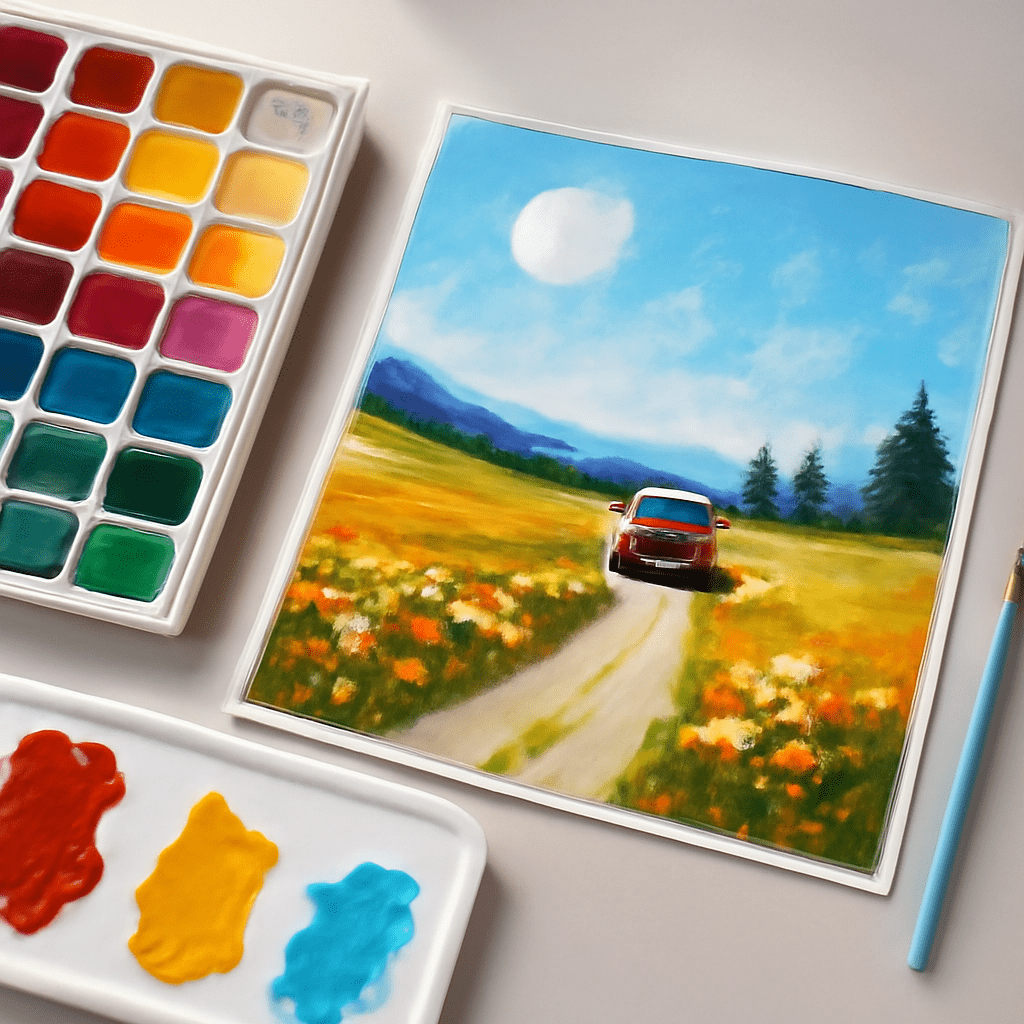
An artist’s medium is the material or method used to make an artwork: oil paint, clay, photographic film, found objects, code, or the body in performance. Art mediums therefore include both physical substances and ways of working.
In ordinary usage, medium is singular, mediums is an accepted plural for individual materials, and media is the traditional plural. Both art media and art mediums are used correctly in contemporary writing. The useful question is not which plural sounds most formal, but how the chosen medium makes particular artistic decisions possible.
Art Mediums and Art Media: What the Terms Mean
In art, a medium may name a substance—oil paint, ink, bronze, or clay—or a practice and delivery system such as photography, film, digital animation, or performance. An artist’s medium can also be a combination, as in pigment on canvas or collage assembled from paper and found objects. In painting, “medium” may additionally mean a liquid such as linseed oil or acrylic gel mixed into pigment; context tells you whether the word means the whole material or an additive.
Mediums is widely understood for several distinct materials: an artist might work in three mediums, including clay, ink, and wood. Media remains common in criticism and museum writing, especially in phrases such as “new media” or “mixed media.”
Medium is separate from subject and style. A portrait is a subject, while realism or Cubism describes a stylistic approach; oil paint is its medium. The same subject and style can move into print, photography, or digital work, changing how it is made and encountered.
How Material Properties Shape the Artistic Process
Material properties shape the process before an artwork has a visible form. Fluidity determines how marks travel: watercolor spreads and pools, while oil paint stays workable longer and can be blended or scraped. Acrylic dries faster, making layered revisions easier but reducing the time available for wet blending. The artist chooses tools, supports, and working speed in response.
Clay offers resistance, weight, and plasticity. A sculptor can press, coil, carve, or throw it, but must support a heavy form and account for shrinkage in firing. Found objects bring their existing hardness, scale, history, and associations; a wire mesh, broken chair, or bottle may dictate joins and limits.
In printmaking, carving a block and applying ink creates a process based on reversal and pressure. Performance adds the body, space, risk, and live coordination to the medium. In each case, the material does more than carry an idea: it sets conditions that guide gestures, timing, revision, and form.
How Medium Changes Surface, Scale, and Reproduction
Medium also governs surface, scale, durability, and reproduction. Oil on canvas can build a glossy or textured surface through thin glazes and thick impasto; the viewer may see brushwork as a record of movement. A charcoal drawing on paper has a dry, fragile surface, while bronze permits a durable object that can stand outdoors.
Scale follows material and logistics. A small photograph invites close inspection, but photography can also create a mural-sized image. Clay and found objects are constrained by weight and transport; paint or projected light can cover a wall more readily. These choices affect the body’s relation to the work, from intimate looking to physical immersion.
Reproducibility changes the artwork’s status and audience encounter. A print can produce an edition from one carved matrix, although each impression may vary. Film photography and digital files can be copied widely, making distribution part of the work’s meaning. By contrast, a unique clay sculpture or altered found object carries a singular material presence.
Digital, Time-Based, and Mixed Media
Digital work replaces a fixed substance with code, pixels, interfaces, or recorded data, but it still has a medium with practical properties. A digital image can be edited without damaging an original file, enlarged with little change in surface, and distributed identically across screens. Its apparent scale, color, and detail nevertheless depend on display, software, and viewing conditions.
Time-based work makes duration part of the medium. A video unfolds through editing, sound, and sequence; a performance exists through a specified or improvised period and may not be repeatable in exactly the same way. Interactivity adds another condition: an installation, game, or responsive projection changes as viewers move, touch, choose, or participate. The audience becomes part of the work’s operation rather than simply its observer.
Mixed-media work combines materials so that their differences affect the form. Ink on paper attached to a metal structure, for example, brings together a printable surface and a rigid, durable support. A digital projection over sculpture adds changing light to a solid object. Describing the materials together explains how contrast, translation, and interaction produce the experience.
How to Describe an Artwork Through Its Medium
A useful description moves from what the work is made of to what that material makes possible:
- Name the medium. State the material or method precisely: an oil painting, a linocut, a fired-clay vessel, a photographic print, or an interactive digital installation.
- Identify the technique. Explain the relevant actions, such as glazing, carving, pressing, coiling, assembling, editing, projecting, or performing.
- Describe the resulting form. Note the surface, texture, scale, movement, color, weight, duration, or physical arrangement that follows from those choices.
- Connect form to viewer experience. Explain whether the work invites close looking, emphasizes a handmade trace, requires movement through space, unfolds over time, or responds to participation.
For example: “This linocut uses carved linoleum, rolled ink, and paper. Its reversed carving process produces bold, simplified shapes and repeatable impressions, while the compressed black surface directs the viewer toward pattern and contour.” A second description might read: “This interactive digital installation combines projected light, motion sensors, and programmed imagery. Its form changes as visitors move, so interactivity and duration determine what each person sees.”