Exploring the Rococo Style in Art
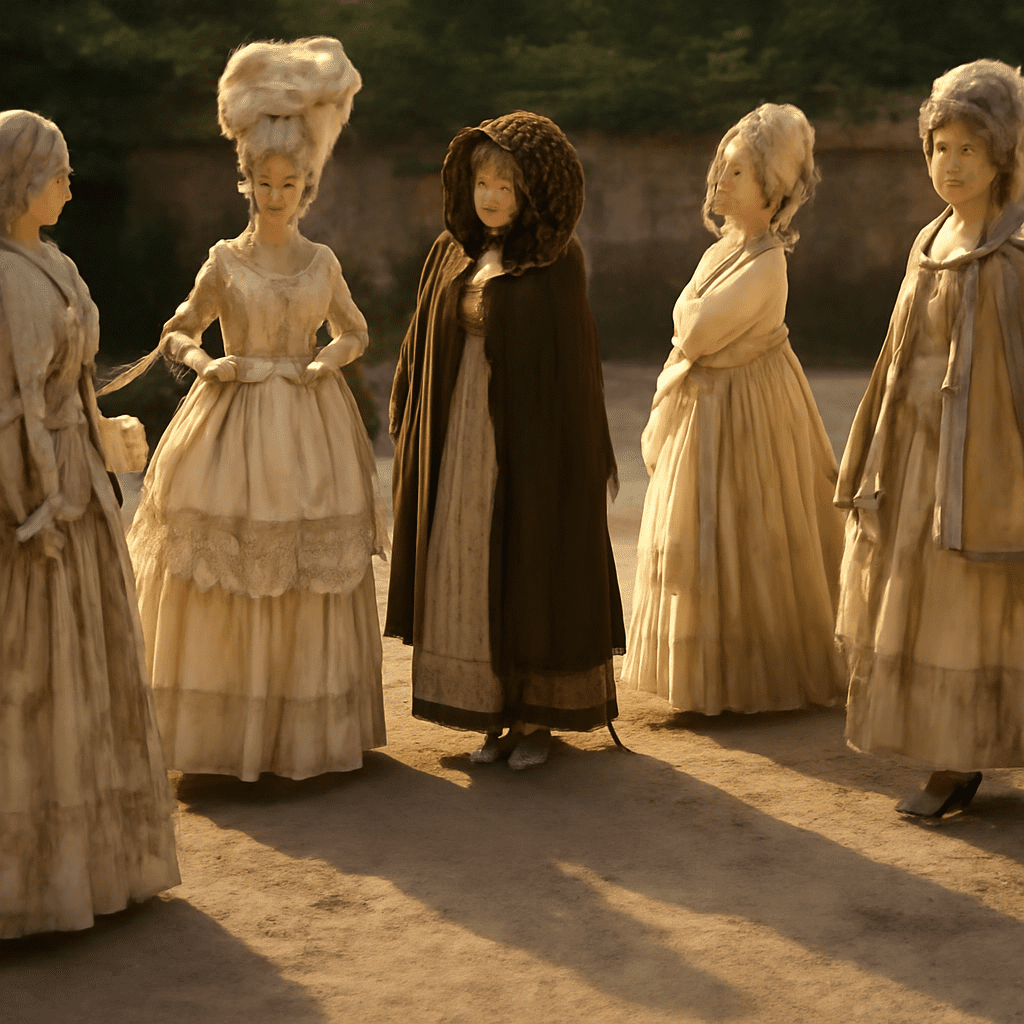
The Rococo style emerged in early 18th-century France, representing a shift from the grandeur of Baroque art to more intimate and ornate expressions. Known for its playful elegance and intricate details, Rococo art captured the essence of frivolity and grace, making it a distinctive movement within the broader scope of art history. This exploration delves into the core attributes of the Rococo style, its influential era, notable artists, and its enduring legacy.
What is Rococo Style?
The Rococo style originated as a response to the opulence and rigidity of Baroque art. It is characterized by lightness, elegance, and an exuberant use of curves. Often associated with the reign of King Louis XV, Rococo art embraced themes of love, nature, and playful mythology. This style manifested in everything from painting and sculpture to interior design and architecture, creating an immersive aesthetic experience.
Characteristics of Rococo Art
Rococo art is defined by its playful charm and delicate attention to detail. Key features include the use of pastel colors, asymmetrical designs, and ornate motifs like shells and flowers. Rococo paintings often depict aristocratic leisure and romantic encounters, set against idyllic landscapes or lavish interiors. This movement placed a strong emphasis on decorative arts, influencing furniture design, porcelain, and textiles as well.
- Pastel Colors: Light hues such as pinks, blues, and creams dominate the Rococo palette, enhancing its light and airy feel.
- Ornate Designs: Curved lines and intricate patterns are prevalent, showcasing the craft of intricate detailing.
- Playful Themes: Scenes often include playful and flirtatious elements, reflecting the leisurely pursuits of the aristocracy.
Influence of the Rococo Era
The Rococo era coincided with a period of significant cultural and social change in Europe. As the aristocracy sought to express their wealth and taste, Rococo art flourished in salons and private residences. This era saw an increased focus on personal expression and the pleasures of life, moving away from the solemn religious themes that dominated previous periods. The style quickly spread across Europe, influencing art and design in countries like Germany, Austria, and Italy.
Notable Rococo Artists
Several artists defined the Rococo movement with their unique contributions. Jean-Antoine Watteau is often credited with pioneering the style, particularly with his depictions of fêtes galantes—elegant parties set in idyllic settings. François Boucher exemplified the playful romanticism of Rococo, while Jean-Honoré Fragonard captured its sensuous elegance. These artists, among others, established a visual language that embodied the indulgence and refinement of their time.
Legacy of the Rococo Period
The Rococo period left a lasting impact on art and culture, influencing subsequent movements and revivals. Although it was eventually succeeded by the more restrained Neoclassical style, the whimsical and decorative aspects of Rococo continue to inspire modern art and design. Today, Rococo’s influence is seen in various artistic expressions, from fashion to interior decoration, where its emphasis on beauty and detail is celebrated.
In conclusion, the Rococo style remains a testament to a time of artistic indulgence and cultural sophistication. Its unique blend of elegance and playfulness continues to captivate audiences worldwide, ensuring its place in the annals of art history.