Exploring the Richness of Mayan Art
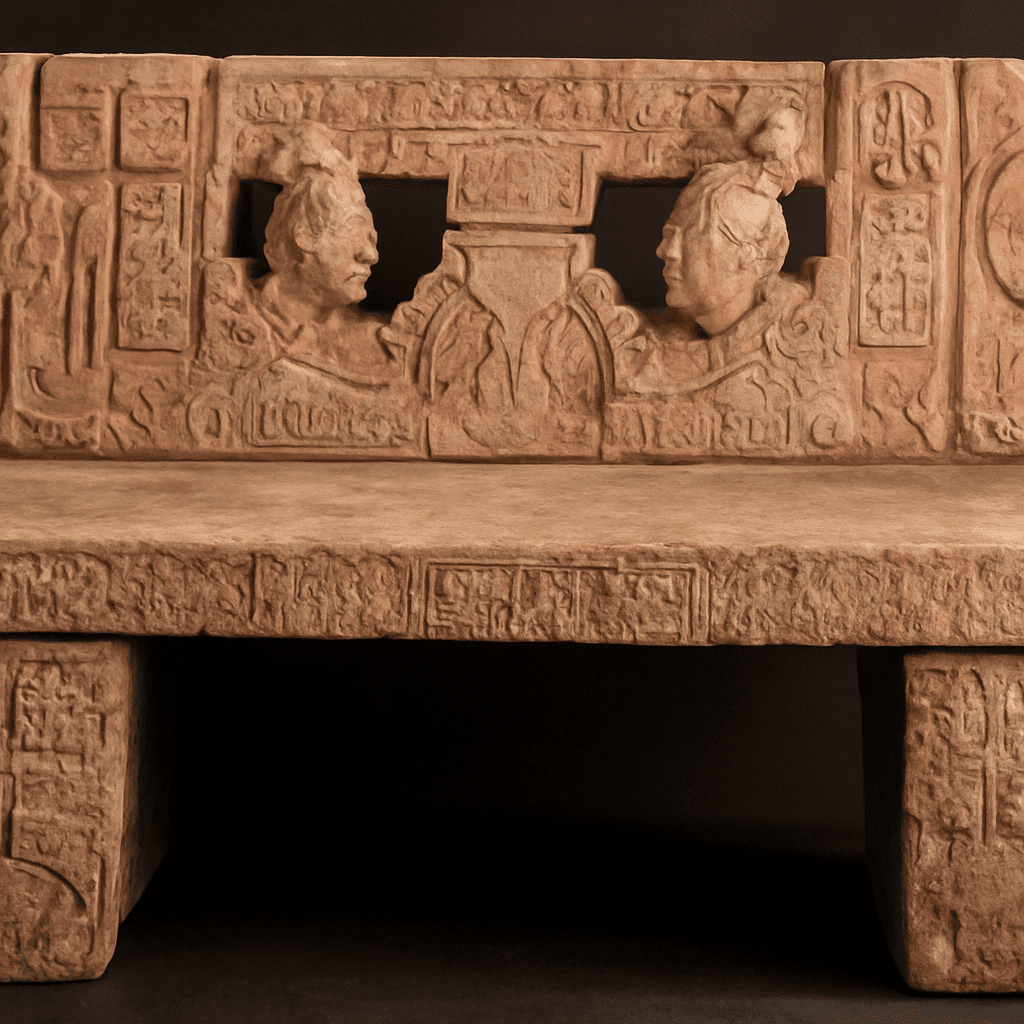
The world of Mayan art is a captivating tapestry woven with intricate designs, vibrant colors, and profound symbolism. Spanning from 2000 BC to the 16th century AD, Mayan artwork offers a window into the rich cultural and religious life of this ancient civilization. This article delves into the historical context, distinctive styles and techniques, symbolism, and the lasting influence of Mayan art on modern creativity.
The Historical Context of Mayan Art
Mayan art flourished in the regions now known as Mexico, Guatemala, Belize, Honduras, and El Salvador. The civilization reached its peak during the Classic Period (250-900 AD), a time marked by the construction of grand cities and monumental architecture. Art was an integral part of Mayan society, used not only for aesthetic purpose but also as a means of communication and expression of religious beliefs.
Artifacts from this period reveal a sophisticated understanding of astronomy, mathematics, and mythology. The Mayans were skilled in various art forms including pottery, sculpture, and painting, each medium serving a specific purpose within their society.
Distinctive Styles and Techniques
Mayan art is renowned for its distinctive styles and techniques, which include detailed carvings, vibrant murals, and intricate pottery designs. Stone carvings often depict scenes from mythology or important historical events, showcasing a blend of realism and abstraction that is unique to Mayan artwork.
One of the most notable techniques employed by Mayan artists is the use of stucco to create intricate reliefs and sculptures. This medium allowed for detailed expression and was prominently used in temple decorations and tombs. Mayan pottery, often painted with complex geometric patterns and scenes, served both utilitarian and ceremonial purposes.
Iconography and Symbolism in Mayan Artwork
Mayan artwork is rich with iconography and symbolism, often reflecting the civilization’s religious beliefs and rituals. Common themes include depictions of gods, human figures, animals, and celestial phenomena. The Mayans used a sophisticated system of hieroglyphs, imbued with symbolic meaning, which often accompanied their artistic creations.
The jaguar, a frequent motif in Mayan art, symbolized power and strength and was often associated with rulers and warriors. Similarly, the maize god was a prevalent figure, representing fertility and agriculture, central themes in Mayan life.
Influence on Modern Art
The influence of Mayan art extends beyond its historical period, inspiring modern artists and architects. Elements of Mayan design can be seen in various contemporary works, from murals to sculptures that echo the intricate patterns and symbolic motifs of ancient Mayan creations.
Modern artists often draw upon the rich visual language of Mayan art to explore themes of identity, culture, and spirituality, bridging the past with the present. This enduring legacy highlights the timeless appeal and universal resonance of Mayan artwork.