Fascinating Facts About Michelangelo and His Importance
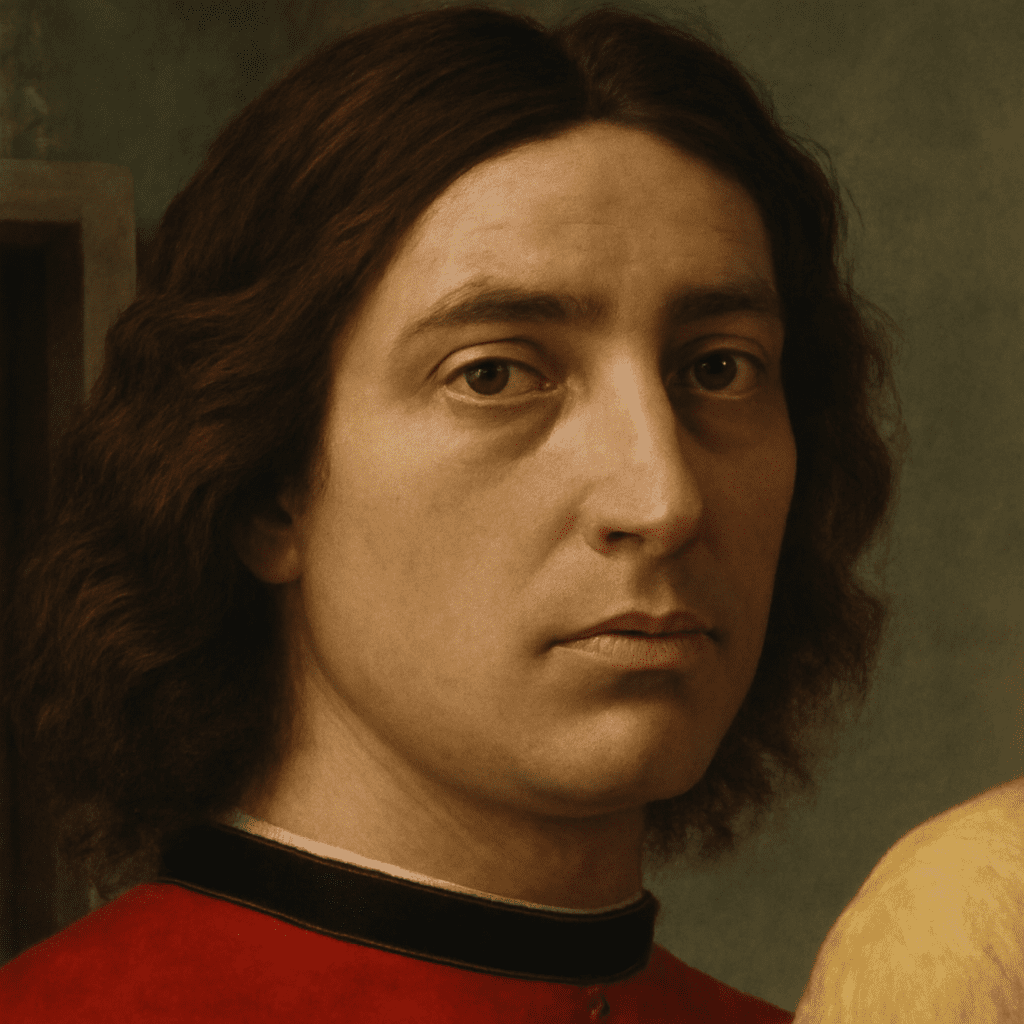
Michelangelo, a name synonymous with artistic genius, left an indelible mark on the world of art and culture. Known for his breathtaking works, such as the Sistine Chapel ceiling and the statue of David, Michelangelo’s contributions extend far beyond his masterpieces. In this article, we explore some fascinating facts about Michelangelo and delve into why Michelangelo is important to our cultural heritage.
Who Was Michelangelo?
Michelangelo di Lodovico Buonarroti Simoni, born on March 6, 1475, in Caprese, Italy, was a Renaissance sculptor, painter, and architect. From a young age, he displayed remarkable artistic talent, which led him to study under the patronage of Lorenzo de’ Medici in Florence. Michelangelo’s career spanned over seven decades, during which he created some of history’s most iconic artworks.
Remarkable Facts About Michelangelo
- Multi-talented Artist: While Michelangelo is renowned for his sculptures and paintings, he was also an accomplished poet. His literary works, though less celebrated, provide insight into his philosophical and theological views.
- Perfectionist Approach: Michelangelo was known for his meticulous attention to detail. This perfectionism sometimes made him a difficult collaborator, as he preferred to work alone to ensure his vision was realized.
- Unfinished Projects: Despite his prodigious output, many of Michelangelo’s works remain unfinished. Notably, his series of sculptures known as the “Prisoners” or “Slaves” were left incomplete, offering a glimpse into his creative process.
- Innovative Techniques: Michelangelo’s method of sculpting involved releasing figures from marble blocks, a technique he described as “freeing the statue from the stone.”
Michelangelo’s Impact on Art and Culture
Michelangelo’s influence on art and culture is profound and enduring. His mastery of anatomy, composition, and perspective set new standards for artists of his time and beyond. The Sistine Chapel ceiling, commissioned by Pope Julius II, is a testament to his innovative spirit, blending biblical narratives with dynamic human figures that seem to leap off the ceiling.
Michelangelo’s contributions to architecture are equally significant. His design of the Laurentian Library in Florence and his work on St. Peter’s Basilica in Vatican City exemplify his architectural prowess. His ability to integrate sculpture and architecture into unified compositions transformed the way spaces were perceived and utilized.
Why Michelangelo’s Work Remains Relevant Today
Michelangelo’s work remains relevant today due to its timeless beauty and profound impact on the arts. His ability to convey human emotion and divine beauty through his art continues to inspire artists, scholars, and enthusiasts alike. The emotional depth and technical skill displayed in his masterpieces resonate with audiences, transcending cultural and temporal boundaries.
Furthermore, Michelangelo’s dedication to his craft and his pursuit of artistic excellence serve as a guiding light for aspiring artists. His legacy is not only preserved in his works but also in the way he redefined the possibilities of artistic expression.