Exploring the Beauty of Rose Windows
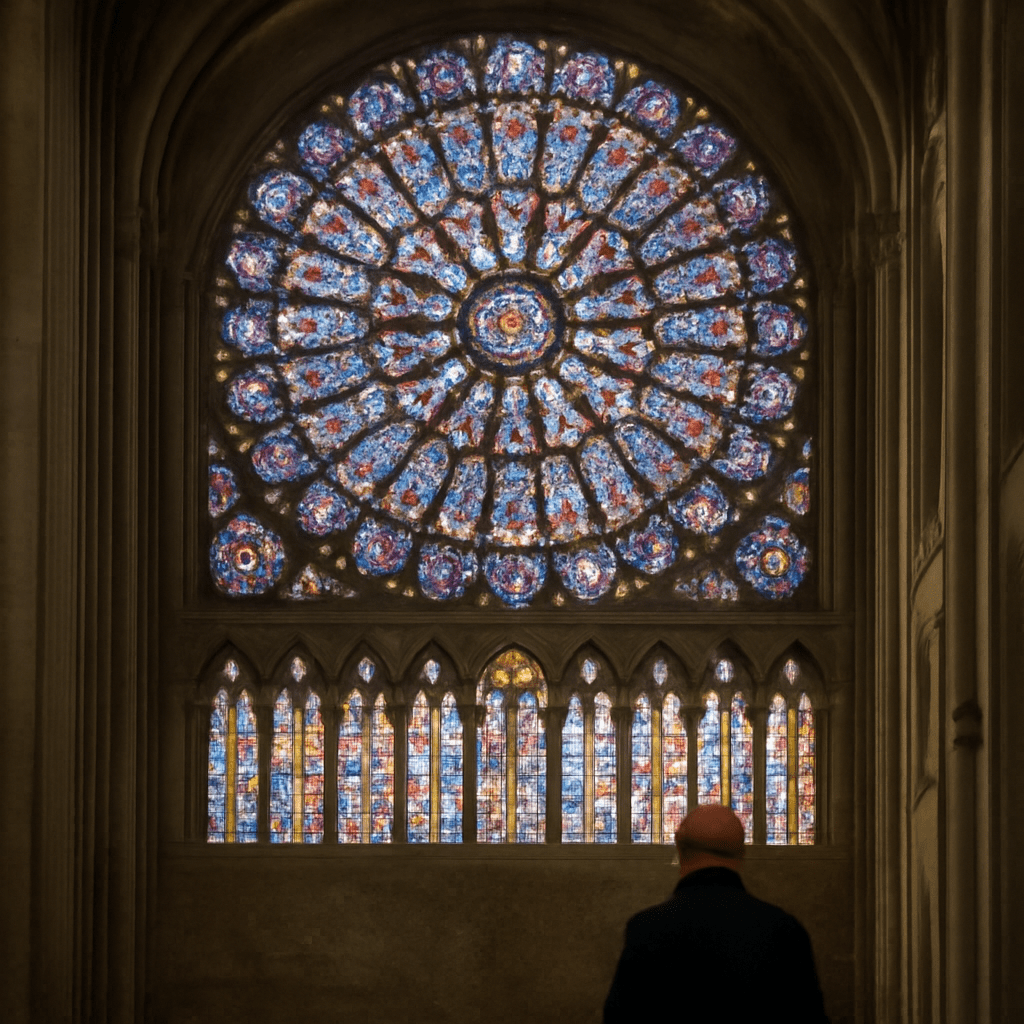
Rose windows have long captivated the imaginations of those who gaze upon their intricate designs and vibrant colors. These stunning stained glass creations are not just architectural marvels but also embody rich historical and symbolic meanings. Among the most famous is the Notre Dame rose window, a masterpiece that continues to inspire awe and reverence.
The History of Rose Windows
The origins of rose windows can be traced back to the Roman oculus, a circular opening often found in the apex of domes. However, it was during the Gothic period, particularly in the 12th and 13th centuries, that rose windows gained prominence in cathedrals across Europe. These windows became a hallmark of Gothic architecture, symbolizing the divine light of God entering the sacred space.
The evolution of the rose window was marked by increasingly complex designs, incorporating detailed tracery and a kaleidoscope of colors. Cathedrals such as Chartres, Amiens, and Canterbury became renowned for their exquisite rose windows, each telling unique biblical stories and themes through their artistry.
Design and Symbolism
The design of a rose window is a meticulous process, often centered around religious symbolism. Typically, these windows are circular, resembling a rose with petals radiating from a central point. This design not only draws the eye inward towards the center but also outward, symbolizing the connection between the divine and the earthly realms.
Each segment of the rose window stained glass is carefully crafted to convey distinct narratives or themes. Common elements include depictions of saints, biblical scenes, and allegorical representations. The use of vibrant colors such as deep blues, rich reds, and luminous golds enhances the spiritual experience for viewers, transforming sunlight into a mesmerizing spectrum of hues.
Notre Dame’s Iconic Rose Window
Among the most celebrated examples of cathedral rose windows is the Notre Dame rose window in Paris. This iconic masterpiece is renowned for its size, beauty, and the intricate skill required to produce it. Constructed in the mid-13th century, Notre Dame’s north rose window is a brilliant illustration of Gothic artistry.
The window’s central medallion depicts the Virgin Mary surrounded by biblical figures, saints, and angels. The intricate tracery and vibrant colors create a visual narrative that captures the essence of medieval spirituality and devotion. Despite the tragic fire in 2019, the rose window miraculously survived, continuing to be a symbol of resilience and hope.
Crafting Stained Glass Art
The creation of rose window stained glass involves a combination of artistic vision and technical skill. The process begins with the design phase, where a full-scale drawing or “cartoon” is made to plan the layout of the window. Artists then select the glass, choosing colors and textures to fit the design’s narrative and emotional tone.
Once the glass pieces are cut and shaped, they are painted with details and outlines using vitreous paint. This is followed by firing the glass in a kiln to fuse the paint onto the surface, preserving the intricate designs. The final assembly involves fitting the glass pieces into lead cames, soldering them together, and securing the structure with a sturdy frame.
Today, rose windows remain a testament to the ingenuity and creativity of medieval artisans. They continue to inspire modern artists and architects, ensuring that the legacy of these breathtaking creations lives on in both historical and contemporary contexts.