Creative Lettering Ideas to Transform Your Designs
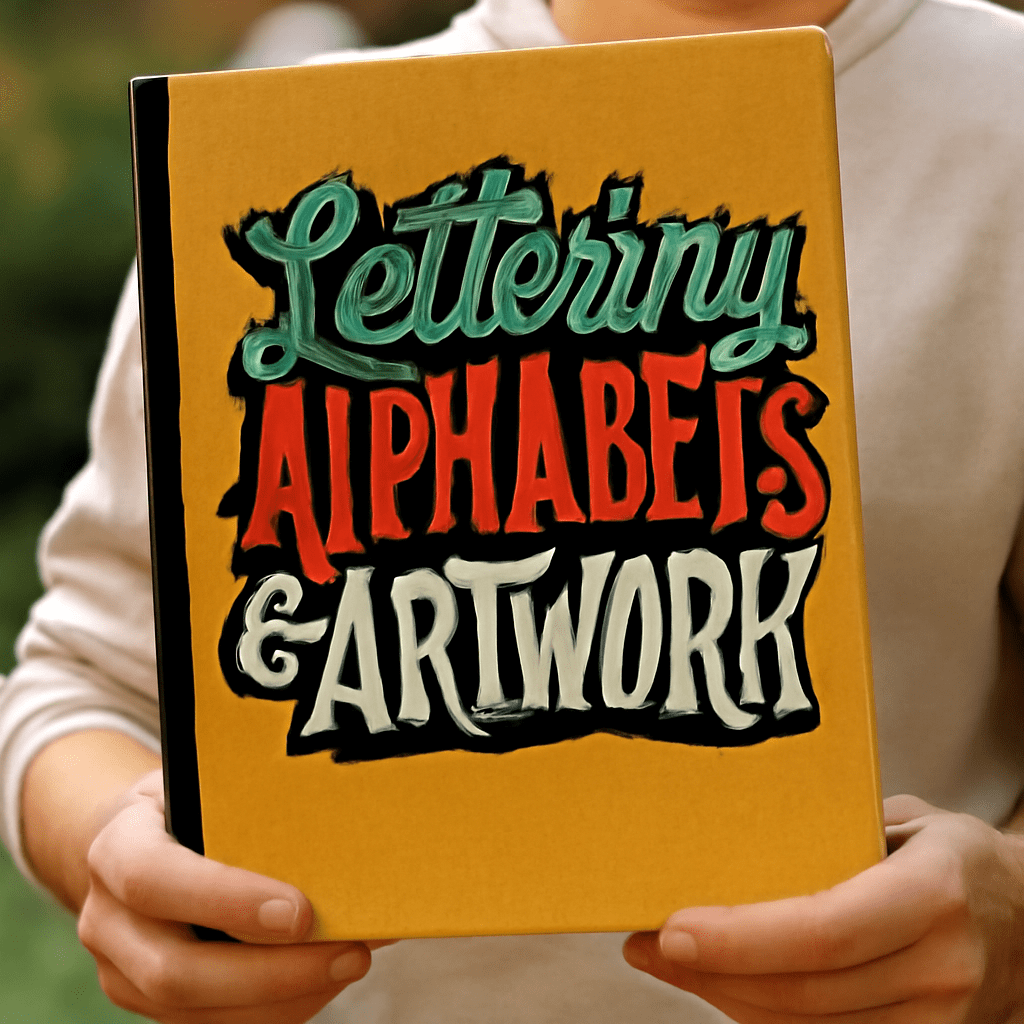
Lettering is an art form that transforms basic text into a vibrant visual experience. Whether you’re a seasoned designer or a hobbyist, exploring different lettering ideas can significantly enhance your projects. This article delves into the world of lettering, providing insights into various styles of letters, innovative ideas, and tips for creating your unique style. Read on to discover ways to elevate your graphic design projects through creative lettering.
Understanding Lettering in Graphic Design
Lettering in graphic design isn’t just about writing; it’s about turning each letter into a piece of art. Unlike typography, which involves pre-designed typefaces, lettering focuses on drawing and customizing letters to suit the context of the design. This bespoke approach allows designers to infuse personality and emotion into their work, making it an essential skill in creating impactful visual art.
Popular Styles of Letters
Exploring different styles of letters can open up numerous creative avenues. Here are some popular styles:
- Serif Letters: Characterized by small lines at the ends of the strokes, serif letters are classic and elegant, often used in traditional and formal designs.
- Sans-Serif Letters: Clean and modern, sans-serif letters lack the small lines seen in serif styles. They are ideal for minimalist and contemporary designs.
- Script Letters: Flowing and cursive, script letters mimic handwriting. They are perfect for adding a personal touch to invitations or branding.
- Block Letters: Bold and impactful, block letters make a statement and are often used in posters and headlines.
- Decorative Letters: These are ornate and unique, often incorporating themes or intricate designs. They are best for specific thematic projects.
Innovative Lettering Ideas for Designers
Creativity in lettering can transform a simple design into something extraordinary. Here are some innovative ideas to try:
- 3D Lettering: Add depth and perspective to your letters by experimenting with shadows and highlights to create a 3D effect.
- Watercolor Lettering: Use watercolor techniques to add a soft, artistic feel to your letters, perfect for greeting cards or artistic posters.
- Mixed Media: Combine different materials like ink and pencil to create textured and layered lettering.
- Negative Space: Create letters by designing the spaces around them rather than the letters themselves, creating a clean and modern look.
- Layered Typography: Overlap multiple layers of letters in different colors and opacities to create a sense of depth and movement.
Tips for Creating Your Own Lettering Style
Developing a unique lettering style requires experimentation and practice. Here are some tips to guide you:
- Study Different Styles: Analyze various styles of letters and understand what makes each unique. This will help you identify elements you can incorporate into your own designs.
- Sketch Regularly: Practice sketching letters in different styles to improve your skill and confidence in freehand drawing.
- Experiment with Tools: Use a variety of tools such as brushes, pens, and digital software to discover the effects they can achieve.
- Personalize Your Work: Infuse your lettering with elements that reflect your personality or brand, like specific patterns or motifs.
- Seek Feedback: Share your work with peers or on platforms like Instagram to gain constructive feedback and inspiration.
By exploring these lettering ideas and styles, designers can create compelling and unique visual art. Whether you’re working on a personal project or a professional design, integrating creative lettering can elevate your work to new heights.