Month: October 2026

Understanding American Craftsman Architecture

Understanding American Craftsman Architecture

Learn about American Craftsman architecture, its unique features, and what defines a Craftsman house, including interior design elements.
How to Use a Mood Board Creator for Stunning Designs

How to Use a Mood Board Creator for Stunning Designs

Discover how to create a mood board for fashion and design projects. Learn steps, tips, and tools for effective mood board design.
Understanding Color Harmony in Interior Design

Understanding Color Harmony in Interior Design

Creating visually pleasing spaces often hinges on understanding color harmony. By mastering the art of choosing colors that complement each other, you can transform interiors into cohesive and inviting environments. This article delves into the principles of color harmony, focusing on tetradic colors and how to use a color wheel effectively for selecting colors that go well together in your interior design projects.

What is Color Harmony?

Color harmony refers to the aesthetically pleasing arrangement of colors that creates balance and a sense of order. When colors are harmonious, they work together to create a unified look that is both appealing and functional. The concept of color harmony is essential in design, art, and any visual medium where the role of color is critical. Harmonious colors often evoke certain emotions, can highlight particular features, and influence the overall ambiance of a space.

Exploring Tetradic Colors

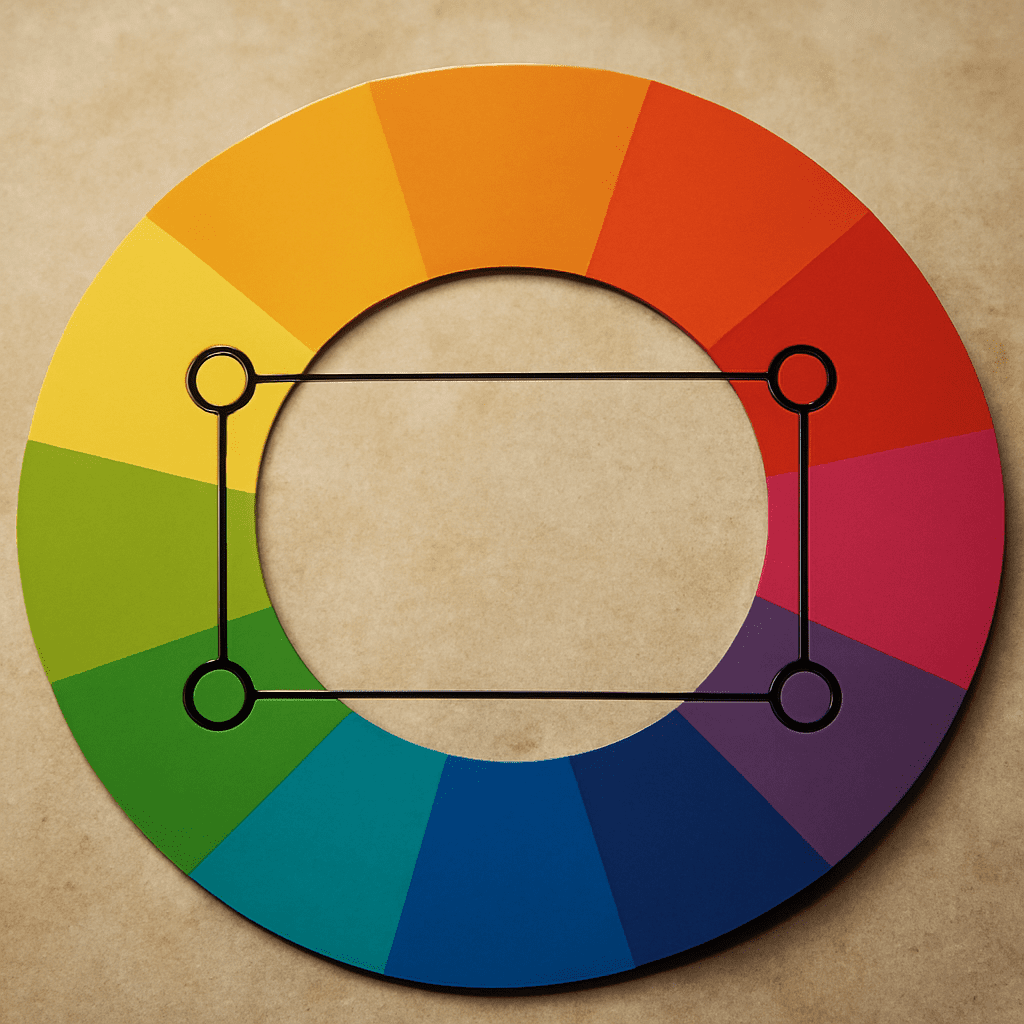
Tetradic colors form a rich and vibrant palette, consisting of four colors arranged in two complementary pairs on the color wheel. This scheme offers a wide array of possibilities and can create dynamic and bold looks when applied correctly. To identify tetradic colors, select any two pairs of complementary colors, forming a rectangle on the color wheel. The key to successfully using tetradic colors is balancing warm and cool tones to maintain harmony and avoid visual chaos.

For example, a tetradic scheme might include red and green as one pair, complemented by blue and orange as the other pair. The challenge lies in ensuring that one color dominates while others play supporting roles to maintain harmony and coherence.

Selecting Colors That Go Well Together

Choosing colors that go well together involves understanding their relationships on the color wheel and considering the mood and function of the space. Here are some tips to help you select complementary colors:

  • Understand color relationships: Use the color wheel to explore primary, secondary, and tertiary colors. Colors that sit next to each other are analogous and tend to create harmonious designs.
  • Consider the context: Reflect on the purpose of the space and the emotions you want to evoke. For instance, calming colors like blues and greens are ideal for bedrooms, while vibrant colors like reds and yellows might suit a lively kitchen or dining area.
  • Experiment with shades and tones: Create depth and interest by varying the shades and tones within your palette. Mixing lighter and darker versions of a color can enhance its versatility and appeal.

How to Use a Color Wheel Effectively

The color wheel is an invaluable tool for anyone looking to understand and apply color harmony in design. Here are steps to effectively use a color wheel:

  1. Familiarize yourself with the color wheel: Understand the arrangement of primary, secondary, and tertiary colors. Recognize complementary, analogous, and triadic color schemes.
  2. Identify your base color: Choose a primary color that will be the foundation of your design. This color often dictates the mood and style of the space.
  3. Select complementary colors: Use the color wheel to find hues opposite your base color for a dynamic contrast. Balanced complementary colors can add vibrancy without overwhelming.
  4. Test tetradic arrangements: Explore tetradic color schemes by selecting two pairs of complementary colors. Remember to consider the proportions and dominance of each color to maintain harmony.
  5. Incorporate neutrals: Integrate neutral shades to break up the color scheme and provide visual relief. Neutrals like white, black, and gray can help balance vibrant palettes and enhance focus on key elements.

With these guidelines, you can confidently use a color wheel to create color schemes that enhance the beauty and functionality of your interiors, ensuring spaces that are not only visually stunning but also harmonious.

Frederic Remington Paintings: How to Read the Western Scene

Frederic Remington Paintings: How to Read the Western Scene

Paintings by Remington turn riders, fences, and moonlight into stories. See how these works build suspense and reveal a changing vision of the American West.
The Helga Pictures: A Guide to Wyeth’s Long Study

The Helga Pictures: A Guide to Wyeth’s Long Study

Wyeth’s paintings of Helga sit within a larger group of drawings and studies. Explore the materials, light and recurring subject behind the familiar images.
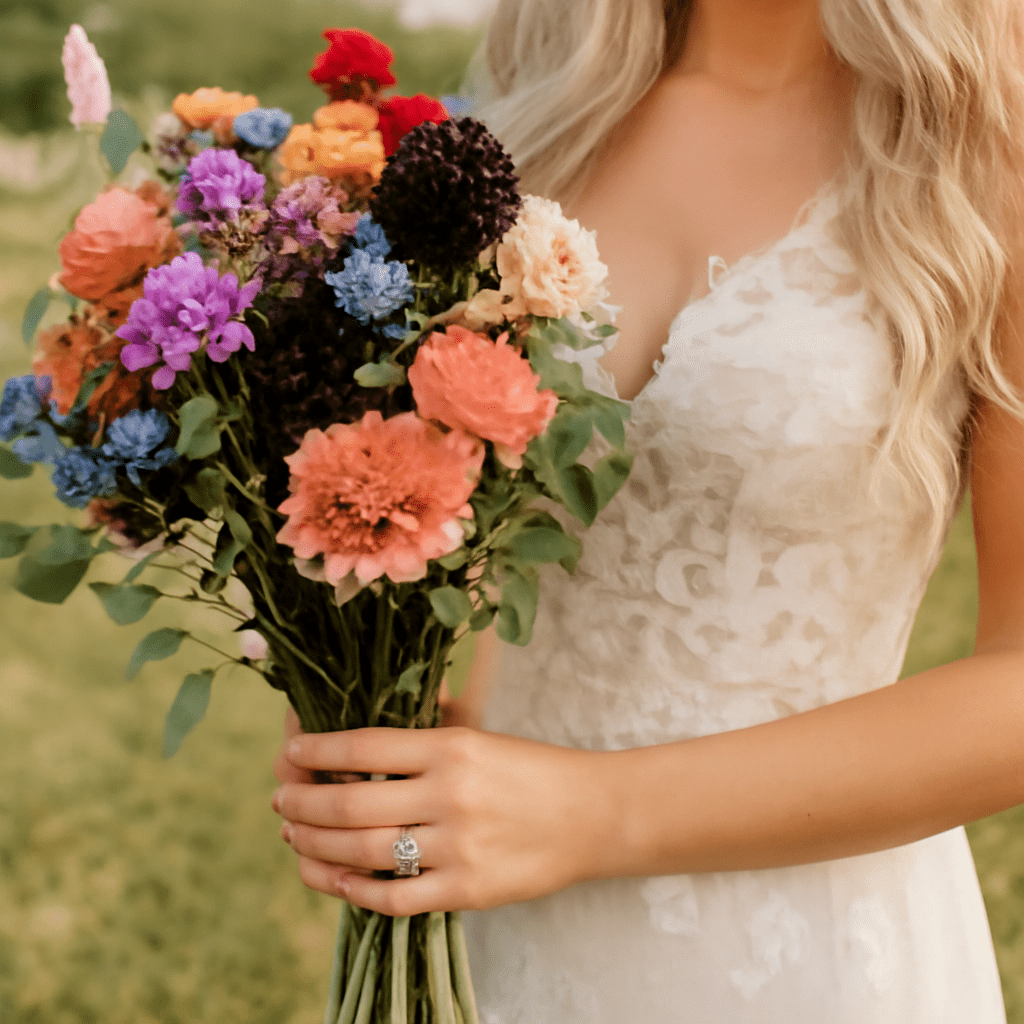
A Guide to Flower Preservation Techniques

A Guide to Flower Preservation Techniques

Flowers hold sentimental value, capturing moments of joy, love, and celebration. Whether it’s a wedding bouquet or a favorite bloom, preserving these flowers allows you to cherish those memories for a lifetime. This guide will walk you through various flower preservation techniques, focusing on how to preserve your bouquet and offering special tips for wedding flower preservation.

Understanding Flower Preservation

Flower preservation is the process of maintaining the beauty and structure of flowers long after they have been picked. This technique extends the life of flowers, keeping them as vibrant as the day they were first enjoyed. Different methods cater to various needs, whether preserving a single rose or an entire wedding bouquet. The key to successful flower preservation lies in choosing the right method and understanding how it works.

Methods to Preserve Your Bouquet

There are several methods to preserve a bouquet, each with its unique process and outcome. Here are some popular techniques:

  • Air Drying: One of the simplest methods, air drying involves hanging flowers upside down in a dry, dark place. This technique works best for sturdy flowers like roses and lavender. It typically takes two to three weeks for the flowers to dry completely.
  • Pressing: Pressing flowers involves placing them between sheets of absorbent paper and applying weight. This method is ideal for flat arrangements and can be used to create framed art or cards. Pressing takes about two to four weeks.
  • Silica Gel: Silica gel is a desiccant that absorbs moisture from flowers. To use it, bury the blooms in a container filled with silica gel crystals. This method retains the flower’s color and shape and takes about a week.
  • Resin: Encasing flowers in resin creates a durable and lasting memento. This involves pouring resin into a mold and embedding the flowers within it. The process requires careful handling and curing time but results in a stunning preserved piece.

Special Tips for Wedding Flower Preservation

Wedding flower preservation requires special care to maintain the memories of your big day. Here are some tips specifically for preserving wedding bouquets:

  • Start Early: Begin the preservation process as soon as possible after the wedding. Flowers start to wilt quickly, so timely action is crucial.
  • Choose the Right Method: Consider the type of flowers in your bouquet. For example, delicate blooms like lilies may do better with silica gel, while robust flowers like roses can be air-dried.
  • Professional Services: Consider hiring professional preservation services. These experts can offer more advanced techniques like freeze-drying, ensuring a high-quality result.
  • Create a Shadow Box: A shadow box is a popular way to display preserved wedding flowers. It allows you to include other mementos like the wedding invitation or a photo from the day.

Creative Uses for Preserved Flowers

Once you have successfully preserved your flowers, there are many creative ways to use them:

  • Home Décor: Incorporate preserved flowers into wreaths, centerpieces, or wall art for a personalized touch in your home.
  • Jewelry: Use resin-encased flowers to make unique pendants, earrings, or bracelets.
  • Gifts: Preserved flowers can be turned into thoughtful gifts, such as bookmarks or keepsake boxes.
  • Memory Albums: Add pressed flowers to scrapbooks or memory albums as a decorative element that tells a story.

Flower preservation is a beautiful way to hold onto special moments. By understanding the different techniques and applications, you can ensure your favorite blooms remain as cherished memories for years to come.

How to Crochet a Cat Amigurumi: Step-by-Step Guide

How to Crochet a Cat Amigurumi: Step-by-Step Guide

Learn how to crochet a cat amigurumi with this detailed guide. Perfect for beginners and advanced crocheters looking to create adorable crochet cats.

How to Crochet Amigurumi Animals for Beginners

How to Crochet Amigurumi Animals for Beginners

Learn how to crochet amigurumi animals with easy patterns and tips for beginners. Discover step-by-step instructions to create your own crochet animals.
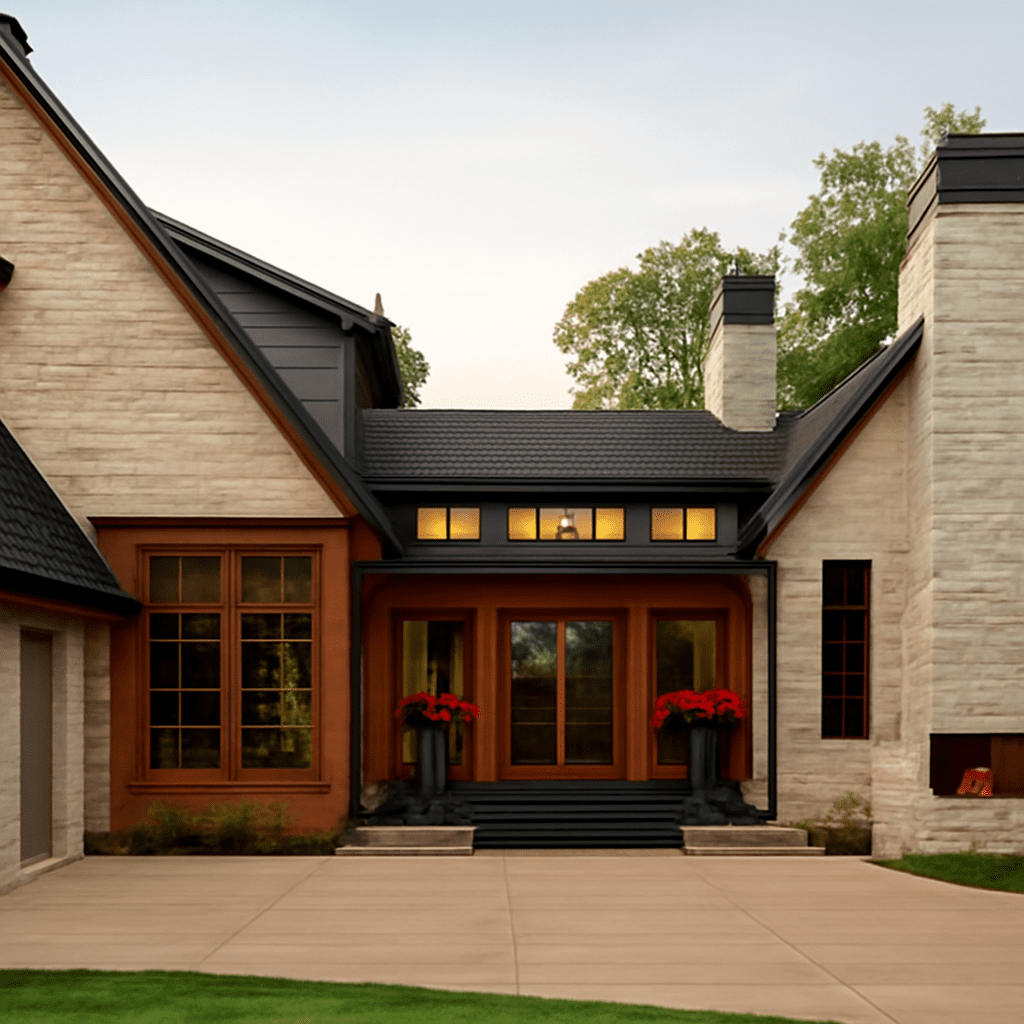
Exploring the Modern Farmhouse Style for Your Home

Exploring the Modern Farmhouse Style for Your Home

The modern farmhouse style has quickly become one of the most popular design trends, combining rustic charm with contemporary sophistication. It offers a warm, inviting atmosphere that appeals to those who appreciate a blend of old and new. If you’re looking to bring this beloved style into your home, understanding its key elements and how to incorporate them is essential.

Understanding Modern Farmhouse Style

Modern farmhouse style is a harmonious blend of traditional farmhouse elements and modern design sensibilities. This style embraces simplicity and functionality, featuring neutral color palettes, natural materials, and minimalistic decor. While it draws inspiration from classic rural homes, it incorporates clean lines and modern touches to create a more polished and updated look.

The hallmark of this style is its ability to balance the old with the new, providing a cozy yet uncluttered aesthetic. By combining elements like reclaimed wood, vintage furnishings, and industrial accents, the modern farmhouse style offers a unique and personalized space that feels both timeless and fresh.

Key Elements of Farmhouse Homes

To successfully create a modern farmhouse design in your home, it’s important to focus on the core elements that define farmhouse homes. These include:

  • Natural Materials: Wood, stone, and metal are key materials. Reclaimed wood adds character and warmth, while metal accents provide a touch of industrial flair.
  • Neutral Color Palette: Whites, grays, and other neutral tones form the foundation of modern farmhouse style, creating a peaceful and serene environment.
  • Open Spaces: Farmhouse homes often feature open floor plans that foster a sense of community and togetherness. Large kitchens and dining areas are central to this design.
  • Vintage and Antique Decor: Incorporating vintage pieces or antiques gives a nod to tradition and adds personality to the space. Consider items like an old wooden sign or a classic armchair.
  • Functional Furniture: Furniture is both practical and stylish, often mixing older, rustic pieces with new, sleek designs.

Incorporating Modern Farmhouse Design

Incorporating modern farmhouse design into your home can be done seamlessly by following these strategic steps:

  • Mix Old and New: Balance is key. Pair vintage items with modern furniture to avoid an overly rustic look.
  • Focus on Texture: Use textiles such as linen, cotton, or wool to add softness and depth. Layering rugs or adding throw blankets can enhance the cozy feel.
  • Highlight Architectural Features: Expose original beams or use shiplap walls to introduce farmhouse architecture into modern spaces.
  • Choose the Right Lighting: Lighting fixtures in metals like black, brass, or copper can add industrial elements that complement the farmhouse style.

Tips for Creating a Farm Style House

Transforming your home into a farm style house involves thoughtful choices and a focus on comfort and functionality. Here are some practical tips to achieve this look:

  • Start with a Clean Slate: Declutter your space to ensure the design elements stand out. Simplicity is a cornerstone of the modern farmhouse aesthetic.
  • Incorporate Greenery: Plants and flowers bring a touch of nature indoors, enhancing the rustic elements of the farmhouse style.
  • Personalize with Art: Choose artwork that reflects your personality and the rustic charm of a farmhouse. Consider landscape paintings or black-and-white photography.
  • Use Vintage Finds: Visit flea markets or vintage shops to find unique pieces that can serve as conversation starters.
  • Embrace Imperfections: Part of the farmhouse charm is its lived-in look. Don’t shy away from items that show wear and tear, as they add character and authenticity.
Easy Origami for Kids: Fun and Simple Projects

Easy Origami for Kids: Fun and Simple Projects

Discover easy origami projects for kids using just square paper. Engage young minds with these simple steps and create delightful origami pieces.