Understanding Satin: Composition, Types, and Uses
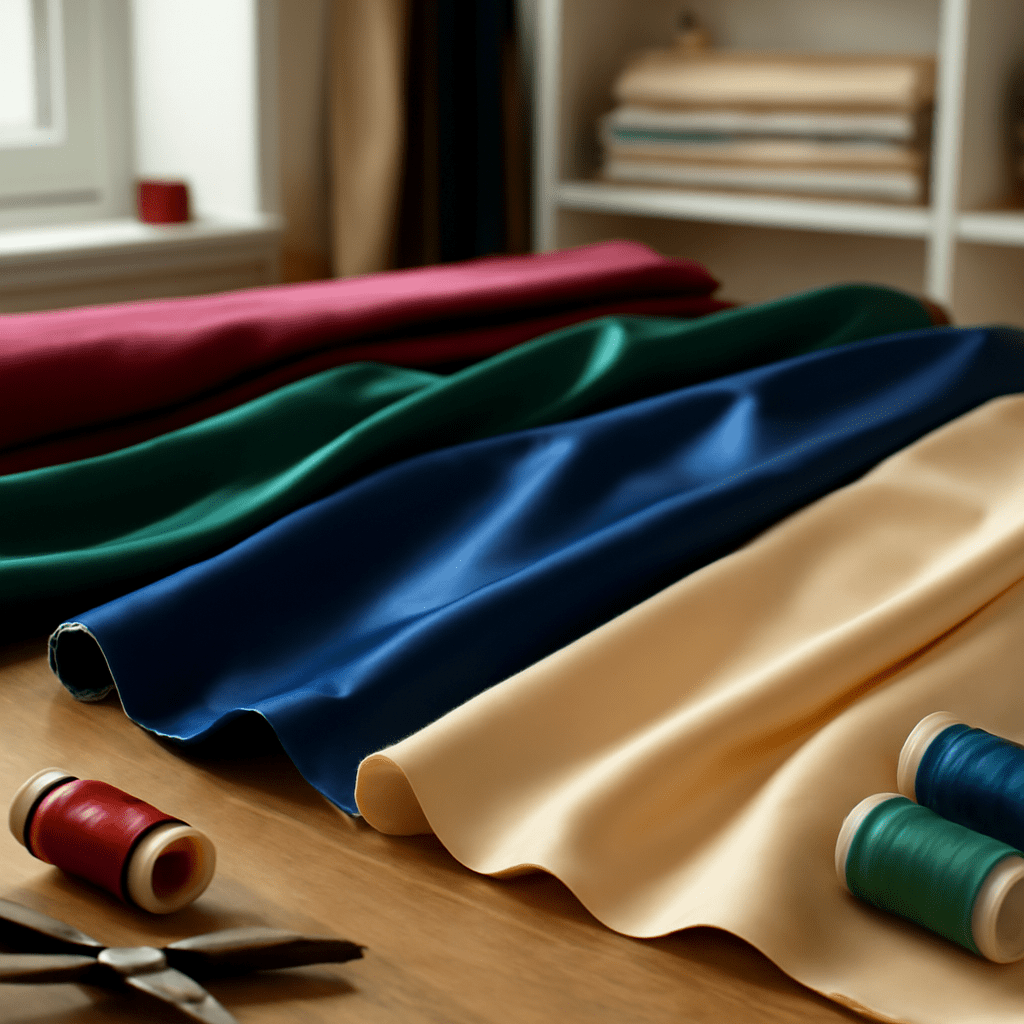
Satin is a luxurious fabric known for its smooth, glossy surface and elegant drape. It’s commonly used in fashion and textiles, adding a touch of sophistication and glamour to garments and accessories. Whether you’re wearing a satin dress, sleeping on satin sheets, or using satin ribbons, the fabric’s unique characteristics make it a popular choice for style and comfort.
What is Satin?
Satin is a type of weave, not a raw material, that produces a fabric with a shiny front and a dull back. The weave structure can be applied to various fibers, creating the iconic lustrous finish that defines satin textiles. The hallmark of satin is its smooth, glossy appearance that is achieved through a specific weaving technique, which allows more threads to appear on the surface, enhancing its shine and softness.
What is Satin Made Of?
While satin can be made from a variety of fibers, including silk, polyester, and nylon, the choice of fiber significantly influences the fabric’s feel and durability. Silk satin is considered the pinnacle of luxury, offering unmatched softness and luster. However, polyester satin is also popular due to its affordability and ease of care. The composition of satin affects its application, with silk being favored for high-end garments and polyester often used for decorative items and more affordable fashion.
Types of Satin
There are several types of satin, each with unique characteristics tailored to different uses.
Charmeuse Satin
Charmeuse satin is lightweight and drapes beautifully, making it ideal for elegant evening gowns and lingerie. Its soft texture and high sheen make it a favorite for creating a sophisticated look.
Duchess Satin
Duchess satin is heavier and stiffer, offering a more structured appearance. It’s often used for wedding gowns and formal attire, where volume and definition are desired. The fabric’s weight adds to its luxurious feel, providing a regal look.
Antique Satin
Antique satin features a subtle texture due to its unevenly spun weft threads, giving it a classic, vintage look. It’s often used for home décor, such as draperies and upholstery, bringing a touch of elegance to any setting.
Baronet Satin
Baronet satin is characterized by its high gloss and typically includes a cotton back, offering both shine and comfort. It’s frequently used for theatrical costumes and evening wear due to its striking appearance and durability.
Applications of Satin in Fashion
Satin’s versatility extends to various fashion applications. In clothing, satin is used to create elegant dresses, blouses, and skirts that capitalize on its fluid drape and luxurious appearance. The fabric is also popular in lingerie, offering a comfortable yet alluring look.
Beyond clothing, satin is a choice material for accessories like scarves, ties, and handbags, where its shine and smooth texture add a touch of sophistication. In the realm of home textiles, satin is used for bed linens and pillowcases, providing a silky, comfortable feel that’s gentle on the skin and hair.
Satin’s unique characteristics make it a staple in both fashion and interior design, offering endless possibilities for elegance and style.