Why Did Vincent van Gogh Cut Off His Ear?
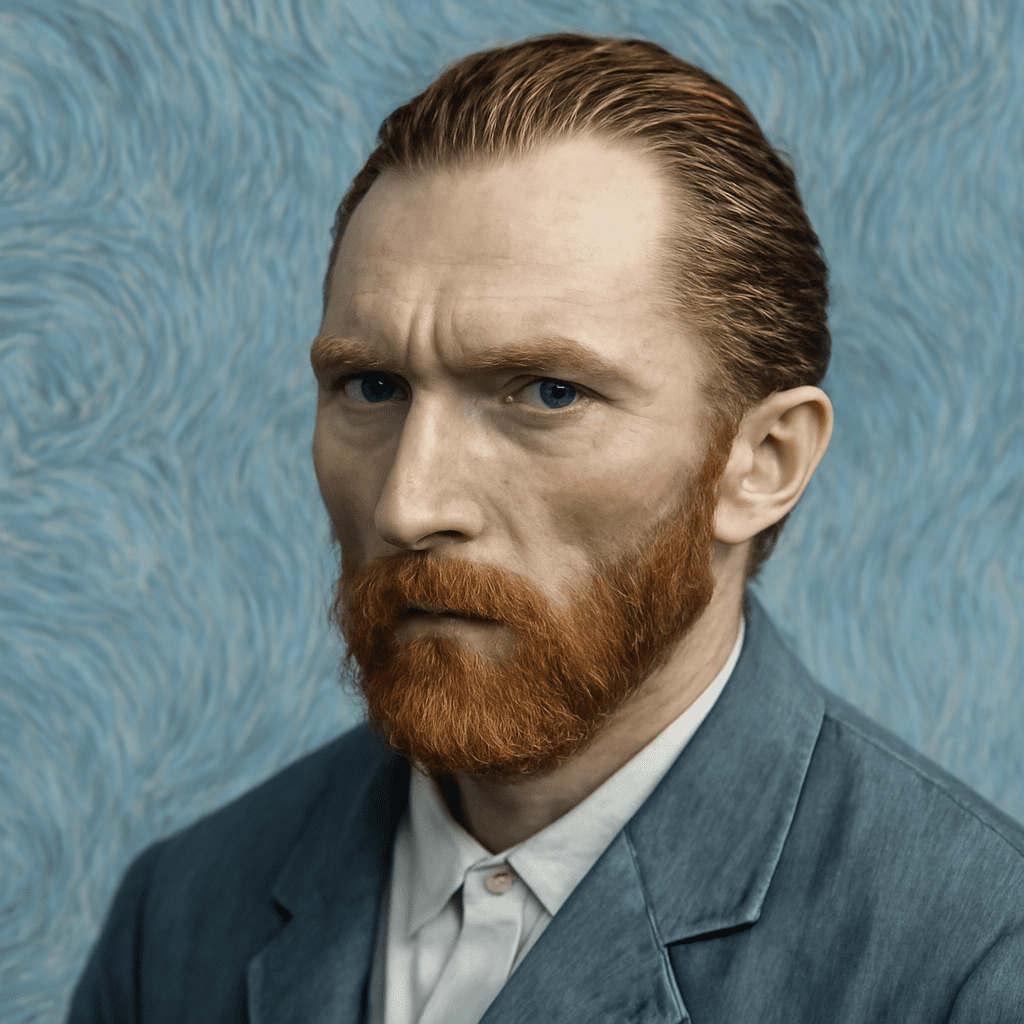
Vincent van Gogh’s act of cutting off his ear remains one of the most debated and sensational episodes in art history. The question, why did Vincent van Gogh cut off his ear, has fascinated art lovers, historians, and psychologists alike. The incident is often associated with van Gogh’s turbulent mental health, his fraught relationships, and the extraordinary pressures he felt as an artist. By exploring the facts and theories surrounding the night of the incident, his psychological struggles, and the aftermath, we can uncover the complex truth about this pivotal moment in van Gogh’s life.
The Night Vincent van Gogh Cut Off His Ear
The infamous event took place on the night of December 23, 1888, in Arles, a small town in southern France. After a heated argument with fellow artist Paul Gauguin, van Gogh returned to his modest home, known as the Yellow House. In a state of intense agitation, he used a razor to sever part of his left ear. Contrary to some early rumors, van Gogh did not cut off his entire ear; most research agrees that he removed only the lower portion of his left earlobe.
Accounts differ on what happened immediately afterward, but it is widely accepted that van Gogh wrapped the severed piece in cloth and, in a dazed or possibly dissociative state, walked to a local brothel. He reportedly handed the bloody package to a young woman named Gabrielle, asking her to “guard this object carefully.” The police were notified, and van Gogh was found in his bed, barely conscious and covered in blood.
Van Gogh was hospitalized at the Hôtel-Dieu hospital in Arles. His physical wounds were tended, but his mental state was a source of deep concern for the doctors and the local community. The van Gogh ear cut off episode was immediately sensationalized by the press, with lurid details and rampant speculation making their way into local newspapers.
The night itself remains shrouded in partial mystery, as van Gogh’s own letters from the period offer only sketchy hints about his mindset. Yet, surviving records and witness accounts provide enough detail to understand the gravity and horror of that night—not only for van Gogh but also for those who knew him.
What Led to the Incident: Mental Health and Turmoil
Van Gogh’s mental health struggles were well documented long before the night he cut off his ear. He suffered from frequent episodes of depression, anxiety, and possible psychosis. He described his feelings of despair and isolation in numerous letters, particularly in correspondence with his brother Theo. Experts today speculate that van Gogh may have experienced bipolar disorder, temporal lobe epilepsy, or another psychiatric condition, though an exact diagnosis remains elusive due to the limitations of 19th-century medicine and the available records.
In the months leading up to the incident, van Gogh’s mental state had deteriorated significantly. He was living in near-poverty, consumed by his obsession with painting, and increasingly isolated from the local community in Arles. He worked long hours, often skipping meals and sleep, and was tormented by feelings of failure and inadequacy. These pressures, combined with the strain of his relationship with Gauguin, created a volatile environment.
Alcohol abuse likely contributed to van Gogh’s instability. He was known to drink heavily, favoring absinthe—a potent spirit that was rumored to exacerbate mental health symptoms. Nutritional deficiencies, possibly stemming from his erratic eating habits and limited finances, may also have played a role in his declining mental health. The combination of psychological, social, and physical stressors created a perfect storm in which a dramatic breakdown became almost inevitable.
It is important to recognize that van Gogh’s act was not an isolated outburst but the culmination of years of psychological pain. His letters reveal a man deeply aware of his own struggles, searching for meaning and relief, yet increasingly unable to manage the pressures encroaching on his life and mind.
The Role of Paul Gauguin and Their Relationship
Paul Gauguin, a talented and ambitious artist, played a critical role in the events leading up to van Gogh’s ear-cutting incident. Van Gogh greatly admired Gauguin and believed that working together in the Yellow House would inspire a new artistic movement—a “Studio of the South.” However, their personalities and artistic visions clashed almost immediately.
Gauguin was more pragmatic and self-assured, while van Gogh was sensitive, intense, and prone to emotional extremes. Their disagreements ranged from artistic philosophy to household chores, but these daily frustrations were merely surface symptoms of deeper incompatibilities. Gauguin’s decision to leave Arles after a severe argument acted as a kind of emotional trigger for van Gogh. Facing the collapse of his dream of artistic brotherhood, van Gogh experienced profound despair and abandonment.
On the night of the incident, it is believed that Gauguin told van Gogh of his intention to leave permanently. This revelation, coming at the end of weeks of increasing tension and emotional volatility, set off the chain of events that resulted in van Gogh mutilating his ear. Some accounts claim that van Gogh chased Gauguin with a razor before turning the weapon on himself, but Gauguin’s own recollections are inconsistent, and he left Arles soon after, never to see van Gogh again.
Their relationship remains a subject of much debate among art historians. What is clear is that the van Gogh ear cut off event marked the tragic climax of their collaboration, forever altering the course of both artists’ lives and artistic legacies.
Legacy of the Van Gogh Ear Cut Off Incident
The story of van Gogh cutting off his ear has become an inseparable part of his legend, casting a long shadow over both his life and his art. In the immediate aftermath, the incident led to his hospitalization and a further decline in his mental health. The local community saw him as dangerous and unstable, leading to his eventual commitment to an asylum in Saint-Rémy-de-Provence.
For years, the question of why did Vincent van Gogh cut off his ear has inspired countless theories, books, and documentaries. Some see it as a cry for help, others as an act of self-punishment or symbolic sacrifice. Art historians note that the incident marked a turning point in van Gogh’s life, infusing his subsequent work with a new intensity and emotional depth. Paintings such as “Self-Portrait with Bandaged Ear” directly address his suffering, while later masterpieces reflect a heightened awareness of his fragility and isolation.
The van Gogh ear cut off incident has also fueled a modern fascination with the link between creativity and mental illness. While it would be reductive to attribute van Gogh’s genius solely to his suffering, the event undeniably shaped his artistic vision and public image. Today, it serves as a powerful reminder of the human struggles behind some of the world’s greatest art, deepening our appreciation for van Gogh’s extraordinary legacy.
Through examining the context and consequences of this infamous act, we gain a richer, more compassionate understanding of Vincent van Gogh—not just as an iconic artist, but as a complex individual who battled immense inner turmoil while creating works of staggering beauty.