
The Helga Pictures: A Guide to Wyeth’s Long Study
Wyeth’s paintings of Helga sit within a larger group of drawings and studies. Explore the materials, light and recurring subject behind the familiar images.
Wyeth’s paintings of Helga sit within a larger group of drawings and studies. Explore the materials, light and recurring subject behind the familiar images.

Discover effective methods for preserving flowers, including special techniques for wedding bouquets. Learn how to keep your blooms vibrant for years to come.

Creating a cat amigurumi is a delightful way to combine your love of cats and crochet. This guide will walk you through how to crochet a cat amigurumi, from gathering materials to executing the crochet cat pattern and finally, adding personal touches to make your project stand out. Whether you’re a beginner or an experienced crocheter, these tips and methods will help you create your own adorable crochet cats.
To get started on your amigurumi cat pattern, you’ll need the following materials:
Begin your crochet cat pattern following these steps:
Here are some tips to enhance your crochet cat amigurumi:
Watch out for these common mistakes when working through your amigurumi cat pattern:
With this guide, you are now ready to embark on your crochet journey to create a charming cat amigurumi that will be cherished by cat lovers of all ages.

Learn how to crochet amigurumi animals with easy patterns and tips for beginners. Discover step-by-step instructions to create your own crochet animals.
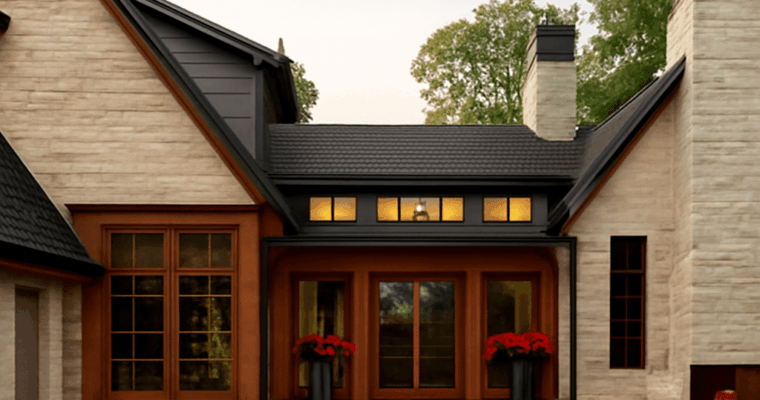
Discover how to incorporate modern farmhouse style into your home with design tips and ideas. Transform your space with this popular interior style.

Origami is a wonderful craft that captures the imagination of children while developing their fine motor skills and creativity. With just a simple square piece of paper, kids can create delightful projects that spark joy and a sense of achievement. This guide to easy origami for kids will walk you through why origami is beneficial, the essential supplies needed, and step-by-step instructions for some simple origami projects.
Origami is an excellent activity for kids as it enhances concentration, patience, and attention to detail. As children follow instructions to fold paper into various shapes, they engage in a form of active meditation that boosts cognitive development. Origami also improves hand-eye coordination and fine motor skills, making it a perfect educational tool without the need for screens or expensive materials. Furthermore, completing an origami project can provide a sense of accomplishment that builds confidence.
The beauty of origami lies in its simplicity. To get started, you only need a few basic supplies:
Here are a few simple origami projects that are perfect for kids:
Creating beautiful origami projects is all about practice and patience. Here are some tips to ensure success:
With these projects and tips, kids will find that origami easy and enjoyable. Encourage them to explore their creativity and have fun with this timeless craft.

Discover fun and creative paper crafts to make at home. Explore step-by-step guides for making origami, paper flowers, and more with simple materials.

Discover how accent wall panels can elevate your interior decor. Explore wood panel wall decor ideas and learn about decorative panels for a stylish home.
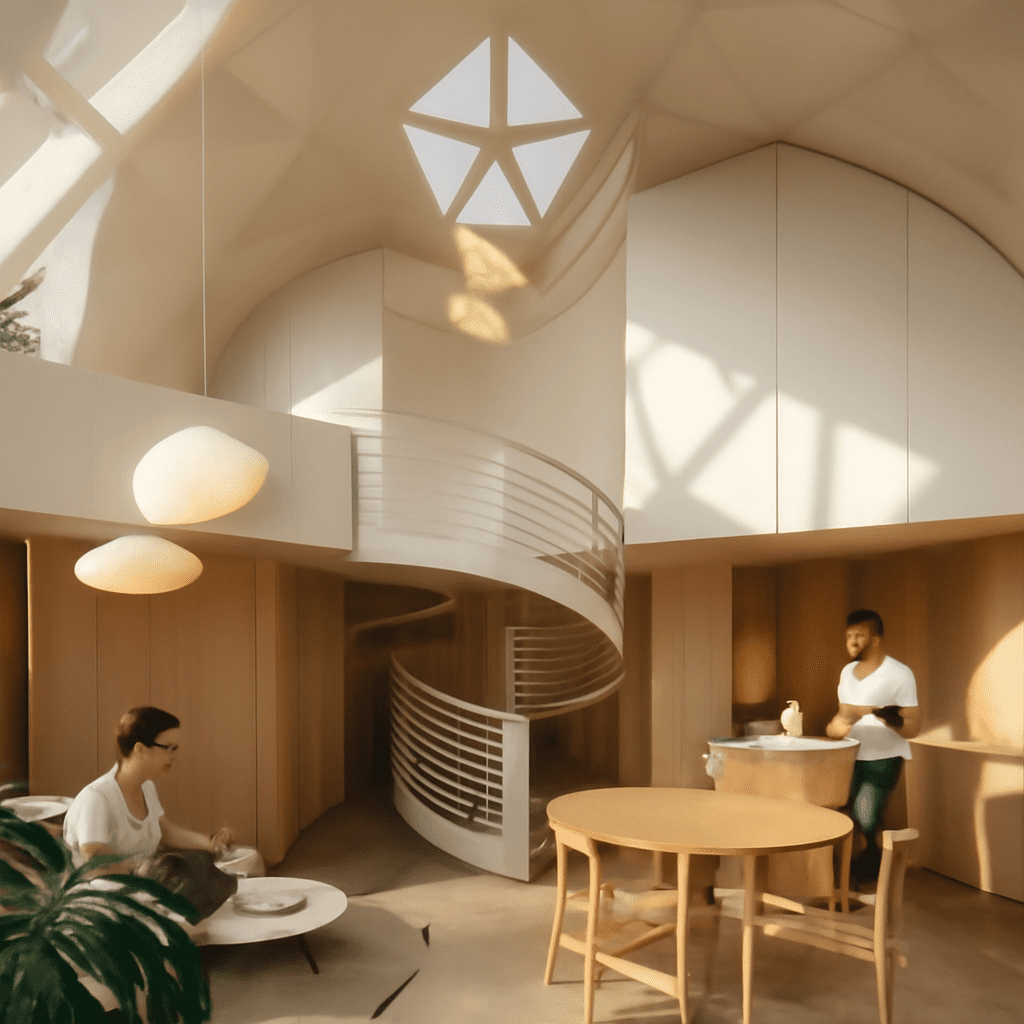
In recent years, dome houses have gained attention for their unique architectural style and sustainable attributes. These structures, characterized by their spherical shape and futuristic appearance, are becoming increasingly popular among eco-conscious homeowners. By exploring the design, benefits, challenges, and notable examples of dome homes, we can better understand why this architectural style is captivating a global audience.
Dome houses, also known as geodesic domes, are structures that utilize a network of triangles to create a self-supporting framework. This design was popularized by architect and inventor Buckminster Fuller in the mid-20th century. The inherent strength of the triangular components distributes stress evenly, making dome homes incredibly resilient to external pressures like wind and snow. With their distinct round shape, dome houses maximize interior space and minimize surface area, contributing to their energy efficiency.
One of the primary advantages of dome houses is their energy efficiency. The spherical shape reduces the amount of energy needed for heating and cooling because air and energy can circulate freely inside. This design choice can lead to significant savings on utility bills while reducing the environmental footprint. Additionally, dome homes are known for their durability. The geodesic design is not only strong but also resistant to natural disasters such as hurricanes and earthquakes, offering increased safety for occupants.
Furthermore, the construction of dome houses often requires fewer materials than traditional homes, which can lower construction costs and waste. The unique aesthetic appeal of dome homes also provides a modern look that stands out in any neighborhood, appealing to those seeking a distinctive living space.
While dome houses offer numerous benefits, there are challenges to consider. One of the main challenges is the complexity of design and construction. Building a dome house often requires specialized knowledge and experience, which can limit the availability of qualified builders. Additionally, the unconventional shape can present challenges in terms of interior layout and furniture placement, as traditional furniture may not fit seamlessly within the curved walls.
There are also zoning and housing code issues that potential dome homeowners might face. Some areas have strict building regulations that do not account for non-traditional structures like dome homes, which can complicate the permitting process. Furthermore, resale value is a consideration, as the unique design may not appeal to all buyers, potentially affecting marketability.
Several notable examples highlight the versatility and appeal of dome houses. The Eden Project in Cornwall, England, features a series of interconnected domes housing diverse plant species, showcasing how dome structures can be used for environmental and educational purposes. In the United States, the Pacific Domes in Oregon are well-known for their eco-friendly and portable dome homes that serve various purposes, from residential to event spaces.
Another remarkable example is the Solaleya Domes in France, which combines traditional building materials with modern technology to create sustainable living spaces. These domes are designed with solar panels, rainwater collection systems, and natural ventilation, epitomizing the fusion of comfort and sustainability.
Dome houses represent a bold departure from conventional architectural norms, offering an innovative approach to sustainable living. With their energy efficiency, resilience, and aesthetic appeal, dome homes continue to gain popularity among those seeking a unique and eco-friendly lifestyle.

Explore creative tie dye techniques and ideas. Learn how to tie dye patterns and discover various types of tie dye for unique fashion creations.