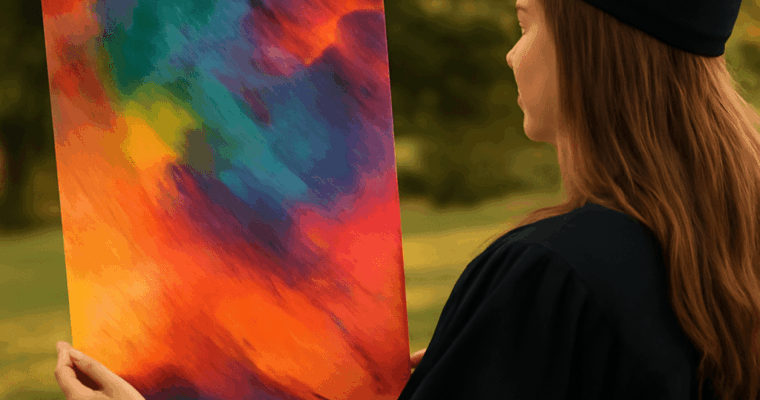
Creative Yearbook Covers: Design Inspiration and Ideas
Discover innovative yearbook cover designs. Explore trends, materials, and tips to create unique and memorable covers for your school yearbook.
Discover innovative yearbook cover designs. Explore trends, materials, and tips to create unique and memorable covers for your school yearbook.
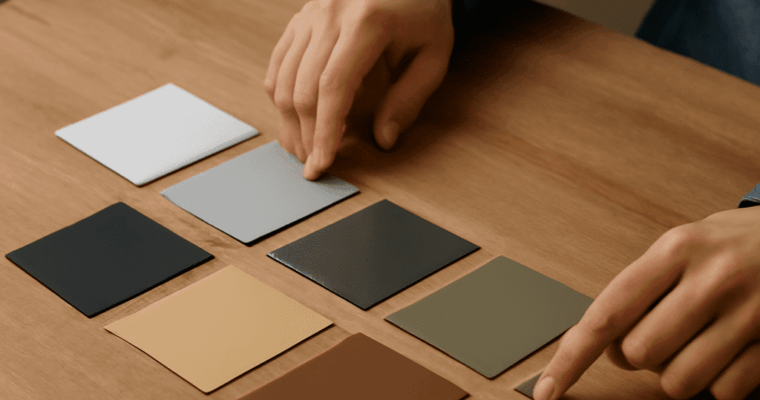
Discover how to pair colors effectively in design with this guide. Learn principles, explore examples, and find inspiration for colors that look great together.

Typography plays a crucial role in design, influencing how messages are perceived and understood. Choosing the right typeface can transform a project, making it essential to understand what constitutes the best font ever. This guide explores timeless fonts, what makes a font good, and how these choices impact design culture.
The best fonts ever are characterized by their versatility, readability, and aesthetic appeal. A good font maintains clarity across various sizes and mediums, ensuring legibility whether in print or digital formats. Versatility allows these fonts to adapt to different design contexts, while aesthetic appeal ensures they resonate with target audiences.
Iconic fonts often share attributes like balance, proportion, and kerning precision. Additionally, they carry a history of successful usage in various industries, lending credibility and familiarity to new projects.
Several fonts have become staples in the design world, thanks to their enduring quality and appeal. Here are some of the top contenders:
Selecting a good font requires consideration of several factors to ensure it meets the specific needs of your project. Here’s how to make the right choice:
Fonts significantly influence fashion and design culture, acting as visual markers that convey brand identity and stylistic trends. Typography can evoke nostalgia or modernity, affecting consumer perceptions and brand experiences.
In the fashion industry, the choice of typeface often reflects the brand’s ethos—luxury brands may opt for classic serif fonts like Baskerville or Didot, while contemporary brands might favor sleek sans-serifs like Helvetica or Gotham. This strategic use of typography helps define brand narratives and resonates with target demographics.
Typography trends also emerge, often mirroring broader cultural shifts. The resurgence of retro fonts in digital design reflects a collective yearning for nostalgia and authenticity, while minimalist fonts align with the modern design’s emphasis on simplicity and clarity.
Ultimately, the best fonts ever are those that transcend trends, offering timeless appeal and functional versatility. By understanding and leveraging these fonts, designers can create impactful, enduring work that speaks to audiences across generations.

What is a lithographic print? Follow an image from stone or plate to paper, and learn how color, original prints, and reproductions differ in practice.
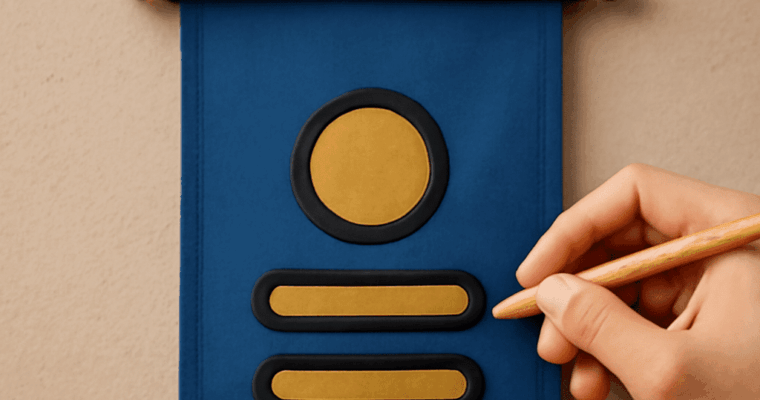
Learn how to design and create your own fantasy flag with this step-by-step guide. Discover design tips, materials needed, and creative inspiration.
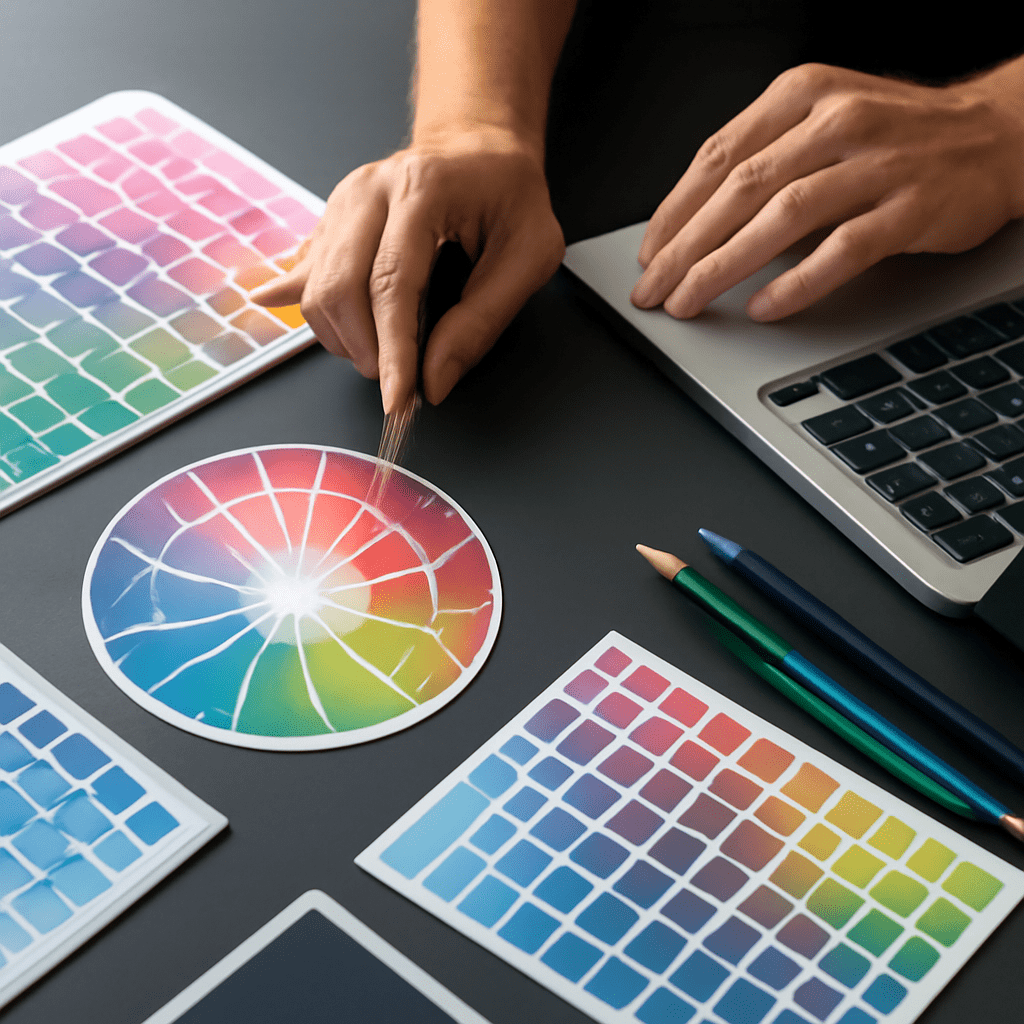
In the rapidly evolving world of graphic design, selecting the best graphic design software is crucial for both professionals and beginners. With countless options available, understanding which software aligns with your needs can significantly enhance your creative output and efficiency. Let’s delve into the top choices for 2023, exploring options for seasoned designers and newcomers alike.
Graphic design software serves as an essential tool for artists and designers, providing the necessary features to create visual content. As technology advances, these tools have become more sophisticated, offering solutions that cater to diverse needs—ranging from intricate vector illustrations to simple photo edits. In 2023, the focus is on software that not only boosts creativity but also enhances productivity.
For professional designers, software reliability and advanced features are paramount. Here are the top picks:
For beginners, intuitive interfaces and ease of use are critical. Here are some top software options:
When selecting the best design software, consider the following features:
Finding the best graphic design software depends on your individual needs, whether you’re a professional seeking advanced features or a beginner looking for ease of use. Evaluate the options available, considering factors like usability, compatibility, and cost to ensure you select the tool that will best empower your creativity in 2023.
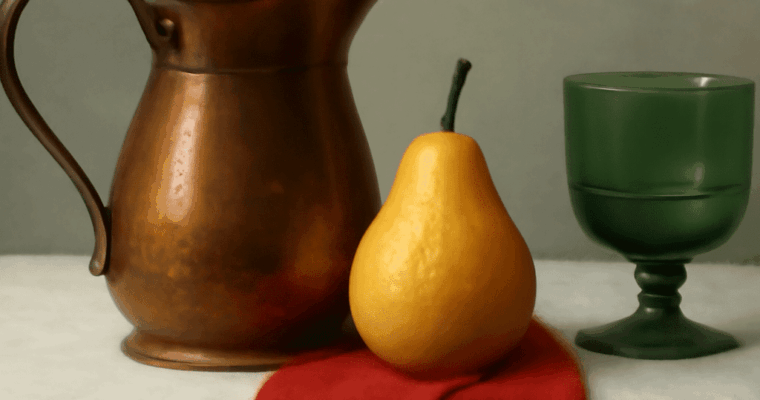
Examples of still-life art reveal how ordinary objects become compelling images. Explore three paintings through their subjects, composition, and meaning.

What makes architecture Brutalist? Explore exposed materials, bold forms, and distinctive buildings, from an English school to a Melbourne swimming center.
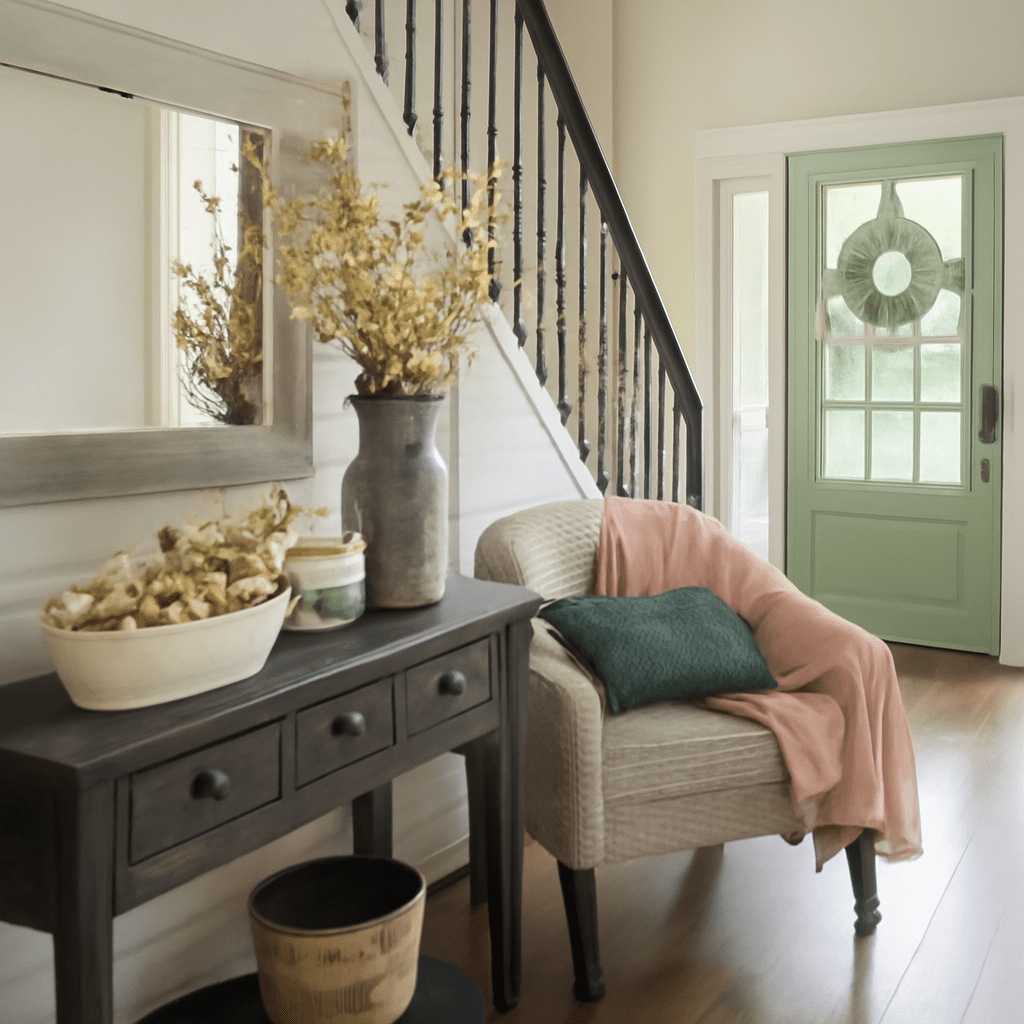
Farmhouse style homes have become a popular choice for those seeking a blend of rustic charm and modern comfort. The farm house design is characterized by its simplicity, warmth, and practical elegance. This article explores various farmhouse design ideas that can inspire you to create your ideal farm style home. From key architectural features to interior and exterior concepts, we’ll dive into what makes this style unique and how you can incorporate modern elements.
Farmhouse style homes are defined by their welcoming and cozy atmosphere. Key features often include a large, open porch, gabled roofs, and the use of natural materials like wood and stone. These homes typically have an open floor plan, which allows for ample natural light and facilitates easy movement between rooms. Exposed beams and shiplap walls are common, adding texture and interest to the design.
The color palette for farmhouse style homes is usually neutral, with whites, creams, and soft pastels creating a serene environment. Large windows are another hallmark, offering picturesque views and enhancing the indoor-outdoor connection.
When it comes to farm house design interiors, the focus is on creating a warm, lived-in feel. Start with a neutral base and add layers of texture through textiles like wool throws, linen cushions, and jute rugs. Furniture should be functional and comfortable, with oversized couches, sturdy wooden tables, and vintage accents.
Incorporate open shelving to showcase dishware or collectibles, and consider using reclaimed wood for flooring or furniture to enhance the rustic vibe. A farmhouse sink, often made of porcelain or stainless steel, is a staple in the kitchen, paired with shaker-style cabinets and a large island for communal gatherings.
For the exterior, a farm style aesthetic can be achieved with board and batten siding, stone accents, and classic black shutters. A wraparound porch is not only functional but also adds to the home’s charm, providing an ideal space for relaxing or entertaining guests.
Landscaping should complement the home’s rustic feel. Consider using native plants and creating a vegetable or herb garden to enhance the rural atmosphere. A gravel driveway or a picket fence can add the finishing touches to your farmhouse exteriors, creating a cohesive and inviting look.
Adding contemporary touches to a farmhouse style home can create a balanced and eclectic design. Consider modern lighting fixtures, such as pendant lights with a sleek finish or industrial-style sconces. Incorporate smart home technology discreetly to maintain the aesthetic while enhancing convenience.
Mixing old and new can result in a personalized space that reflects your tastes. For instance, pair modern art pieces with traditional furniture, or use contemporary materials like concrete alongside reclaimed wood. This approach allows you to maintain the essence of a traditional farmhouse while enjoying modern amenities.
Overall, farmhouse style homes offer a timeless appeal that blends the old with the new. By understanding its key features and implementing thoughtful design ideas, you can create a space that is both beautiful and functional.

Dive into the unique elements of Mayan architecture and explore iconic Mayan buildings that showcase this ancient civilization’s architectural prowess.