Exploring the Wonders of Mayan Architecture
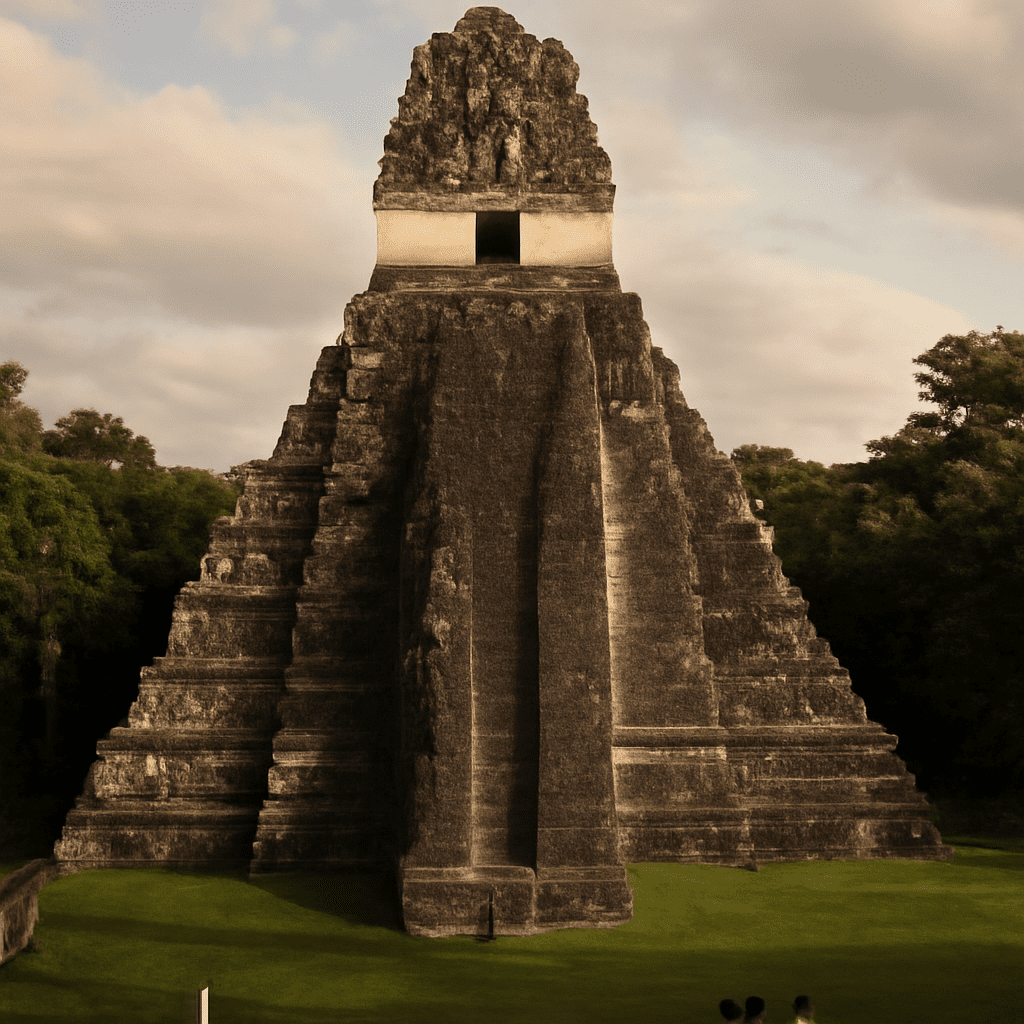
The timeless allure of Mayan architecture is a testament to the ingenuity and creativity of the ancient Maya civilization. Known for its intricate designs and towering structures, Mayan architecture remains a captivating subject for historians and travelers alike. This article delves into the key features of Mayan architecture, explores iconic Mayan buildings, discusses the construction techniques and materials used, and examines the cultural and religious significance of these remarkable structures.
Key Features of Mayan Architecture
Mayan architecture is characterized by its grandeur and complexity, featuring pyramids, palaces, and temples that demonstrate advanced engineering skills. One of the defining elements is the stepped pyramid structure, often topped with a temple. These pyramids, such as those found in Tikal and Chichen Itza, were built to align with astronomical events.
The use of corbelled arches—arches that use stepped stones to create openings—allowed the Maya to construct large interior spaces without true arches. Additionally, decorative elements such as stucco masks and intricate friezes adorned many buildings, reflecting the civilization’s artistic prowess.
Iconic Mayan Buildings
Several Mayan buildings stand out as iconic representations of this ancient architectural style. The Temple of Kukulcán, or El Castillo, at Chichen Itza is renowned for its precise alignment with the equinoxes, creating a serpent-like shadow effect. Another significant site is the Temple of the Inscriptions in Palenque, which houses the tomb of the ancient ruler Pakal the Great.
The expansive city of Tikal features towering pyramids like Temple I, also known as the Temple of the Great Jaguar, which rises majestically in the Guatemalan jungle. Meanwhile, Uxmal’s Pyramid of the Magician is notable for its unique elliptical base and steep stairways.
Construction Techniques and Materials
The Maya employed innovative construction techniques and locally sourced materials to create their architectural masterpieces. Limestone was the primary building material, valued for its abundance and ease of carving. To construct their towering pyramids, the Maya used a system of large stone blocks and a core filled with rubble.
The use of mortar made from burnt limestone and water allowed for strong bonding between stones. Additionally, the Maya exploited the corbelled arch technique to span interior spaces, which required meticulous planning and precise stone placement.
Cultural and Religious Significance
Mayan architecture was deeply intertwined with the civilization’s cultural and religious beliefs. Buildings were often aligned with celestial bodies and events, reflecting the Maya’s advanced knowledge of astronomy. Temples were more than mere places of worship; they were considered sacred spaces where the earthly and divine realms intersected.
Pyramids and temples often served as tombs for rulers, reinforcing the belief in the divine nature of kingship. Rituals and ceremonies conducted at these sites were believed to ensure the favor of the gods and the cosmic order.
Through these architectural feats, the Maya expressed their religious devotion, social hierarchy, and connection to the cosmos, leaving a legacy that continues to fascinate and inspire.