
Exploring Bungalow Homes and Their Unique Designs
Discover the charm of bungalow homes with insights into their design features and architectural appeal. Learn how bungalow house design creates cozy, functional spaces.
Discover the charm of bungalow homes with insights into their design features and architectural appeal. Learn how bungalow house design creates cozy, functional spaces.
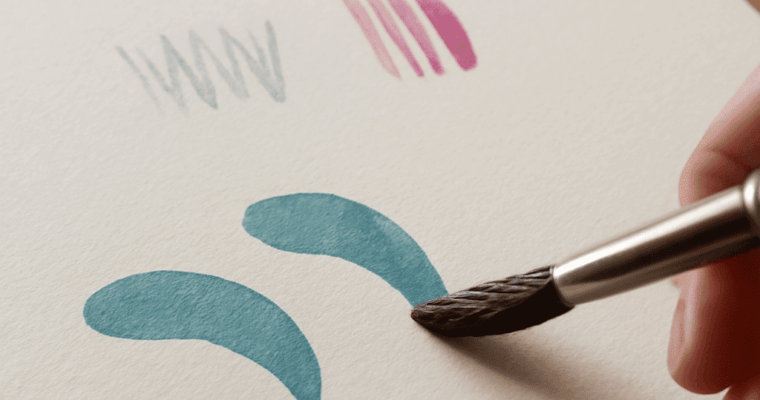
Brush marks made with paint can be wide, fine, or textured. Try a simple acrylic exercise to see how pressure, direction, and brush shape change the result.

A client sees three sketches for a small library and asks why the rooms are arranged differently in each. One drawing shows rooms around a courtyard; another places them along a central route. A parti in architecture gives each arrangement an intelligible organizing idea.
An architectural parti diagram can show that idea with a few shapes and lines. Reading it means asking what those marks represent and how their relationships might shape the experience of the building.
A parti is the central decision or organizing idea of a design. It might be a sequence from a busy street to a quiet garden, a group of rooms around a shared court, or a compact service core surrounded by open space. It gives the designer a way to relate separate decisions about movement, rooms, light and form.
The term has roots in French architectural education, including the École des Beaux-Arts, where a design idea or sketch could guide the development of a project. Today it remains a way to describe the overall concept, whether the drawing is made by hand or on a screen.
The idea is not the same thing as a finished plan. A plan shows room boundaries, doors and dimensions at a particular level; a parti diagram selects only the relationships needed to explain an idea. The two should inform one another, but a clear sketch cannot establish on its own that a building fits its site or meets its practical requirements.
A diagram may show a plan from above, a section through the building, or a simplified three-dimensional arrangement. First identify the viewpoint. A circle in plan might represent a courtyard; in section it could stand for a volume of space. Labels and a north arrow can help establish orientation when the relationship to the site matters.
Then look for a hierarchy. A large dark shape may mark the main room, while smaller pale shapes represent supporting spaces. A thick line may indicate a route and an arrow its direction. Such symbols are chosen by the person drawing, so check the key or accompanying caption before deciding what each one means.
In a study of parti diagram architecture, the important question is what the marks do together. A line passing through several blocks suggests a connecting route; a line ending at a single circle suggests a destination. Compare the diagram with a plan or section to see whether that proposed relationship survives in the developed design.
Different parti diagrams can describe the same project. One may show movement, another the relationship between public and private spaces. They are selective readings: each makes one relationship legible while leaving other information aside. A diagram drawn later by an observer is an interpretation unless it is identified as the architect’s own explanation.
Consider a hypothetical neighborhood library. In the first scheme, a blank square sits at the center, surrounded by four blocks. If the square is labeled “garden” and the blocks “reading,” “meeting,” “staff” and “entry,” the idea is a set of spaces organized around a shared outdoor room. The architectural parti becomes testable: do the rooms actually face the garden, and can visitors reach it?
In a second scheme, a thick line runs from the street through a long rectangle, with smaller rectangles branching off it. This diagram of an architectural parti describes a spine. It can help a visitor understand how the entrance, circulation and destinations relate. The detailed design must still resolve where the route widens, how people find doors and whether accessible travel is possible.
For a third scheme, imagine a dark central block surrounded by a pale ring. The block represents stairs, restrooms and storage; the ring represents adaptable work areas. This architecture parti places services together so the perimeter can remain more flexible. The next drawing might test whether daylight reaches the work areas and whether the core leaves enough usable depth around it.
None of these sketches prescribes a facade. A courtyard could be enclosed by brick, glass or timber, and each choice would change the atmosphere. The diagram of a building’s parti is useful because it isolates the spatial decision before those material choices are settled.
A strong parti in an architectural project makes a claim that can be checked. “A welcoming building” is an ambition; “a visible public route connects the street to the garden” describes a spatial relationship. The latter can be traced on a drawing and tested against the location of the entrance, reception desk and doors.
A diagram of the parti in architecture can also expose a conflict. A central courtyard may promise daylight, but the surrounding rooms may become too deep or the court too small for its intended use. The team can adjust the proportions, reconsider the program or change the organizing idea. The diagram is a design tool, so it can evolve with evidence from the site and the people who will use the space.
To try this, choose a familiar room or a small imaginary building and write one sentence about the relationship that matters most. Sketch the main spaces as simple shapes, add a line for movement and label the destination. Show the sketch to someone without explaining it first: if they can identify the chosen idea, the diagram is communicating; if they cannot, simplify or redraw the relationship and test it again.

Explore the pros and cons of mounting a TV over a fireplace. Learn about aesthetics, installation tips, and potential drawbacks to make an informed decision.

Learn how to care for Dracaena Deremensis, also known as Cornstalk Dracaena. Discover tips on lighting, watering, and maintaining healthy growth.
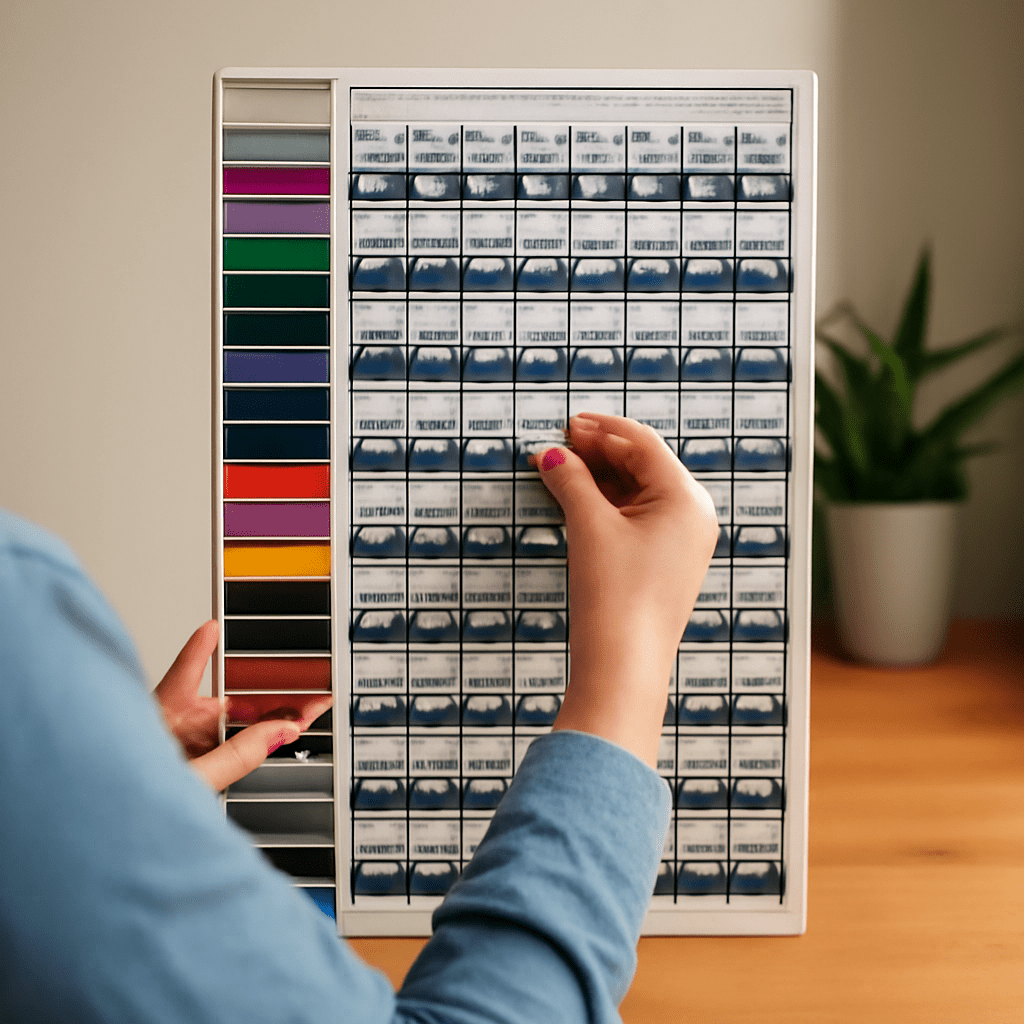
Sewing needle sizes and types play a crucial role in achieving the perfect stitch. Whether you’re a novice or an experienced seamstress, understanding these aspects ensures that your sewing projects come out flawlessly. This guide will walk you through the various sewing needle sizes and types, offering insights into how to choose the right needle and utilize a sewing needle size chart effectively.
Sewing needle sizes are typically indicated by two numbers. The first number is the European size, while the second is the American size. For example, a needle labeled as 70/10 is 70 in European sizing and 10 in American sizing. The size of the needle you choose will depend on the fabric and thread you’re using. Smaller numbers are for finer fabrics and threads, while larger numbers are suited for thicker materials.
Understanding the types of needles available is essential for selecting the right one for your project:
Choosing the right needle size is critical for the fabric and thread you’re working with. Start by considering the fabric weight and type. For lightweight fabrics, use smaller needles, such as 60/8 or 70/10. For medium-weight fabrics, sizes like 80/12 or 90/14 work well. Heavyweight fabrics require larger needles, like 100/16 or 110/18.
The thread type also influences needle choice. Thicker threads require larger needles to accommodate the thread through the eye without causing damage. Always test your needle and thread combination on a swatch of your fabric to ensure smooth stitching.
A sewing needle size chart is a valuable tool for selecting the appropriate needle for your project. It provides a reference for matching needle sizes with fabric weights and types. Typically, needle size charts are divided into sections for different fabric categories, such as lightweight, medium-weight, and heavyweight.
Here’s how you can make the most of a sewing needle size chart:
By leveraging a needle size chart, you’ll ensure that your sewing machine operates efficiently, and your stitches appear clean and professional.

Learn how to care for your umbrella tree, also known as dwarf schefflera, with tips on sunlight, watering, pruning, and more to keep it thriving indoors.

Kahlo’s Detroit hospital painting turns a personal loss into a striking image. Explore its floating objects, setting, and documented context with care.

In today’s digital age, pursuing a graphic design degree online offers a flexible and accessible path to honing your creative skills. Whether you’re looking to advance your career or start fresh in the design world, online programs provide the opportunity to learn from top institutions without the geographic constraints.
Opting for an online graphic design degree comes with numerous benefits. Flexibility is a key advantage, allowing students to balance their studies with work or personal commitments. Online programs often provide access to a wide range of resources and tools, giving students the ability to learn at their own pace and from anywhere in the world.
Moreover, online graphic design programs frequently offer diverse curriculums that cover both fundamental and advanced design skills. From mastering software like Adobe Creative Suite to developing a strong portfolio, students can gain comprehensive knowledge that is crucial for a successful career in graphic design.
When considering where to pursue your graphic design degree online, several schools stand out for their quality and reputation:
These schools are renowned for their comprehensive curriculums and experienced faculty, making them excellent choices for aspiring graphic designers.
The best online graphic design programs share several key features that contribute to the success of their students:
Selecting the right online graphic design program involves considering several factors:
By carefully evaluating these aspects, you can find an online graphic design school that aligns with your professional aspirations and personal needs.

Explore the best colors that complement olive green in graphic design. Discover stylish pairings for impactful designs.