
Mastering Crochet Sock Patterns for Cozy Feet
Discover simple and stylish crochet sock patterns. Learn how to create cozy socks with step-by-step instructions and tips for perfect results.
Discover simple and stylish crochet sock patterns. Learn how to create cozy socks with step-by-step instructions and tips for perfect results.

A sunflower sketch begins with simple shapes. Learn to build the center, arrange natural-looking petals, add leaves, and shade the finished pencil drawing.
In Florence, a visitor can stand beneath a vast brick dome in the morning and encounter a small bronze relief in the afternoon. Both lead back to Filippo Brunelleschi, whose architecture and art connect the practical construction of space with the challenge of representing it. Recognizing the different works reveals an inventive career across materials and scales.
Trained as a goldsmith, Brunelleschi entered the 1401 competition for a set of bronze doors for Florence’s Baptistery. Entrants were asked to depict the biblical sacrifice of Isaac within a prescribed frame. His surviving relief and Lorenzo Ghiberti’s competing panel are held at the Bargello National Museum. Ghiberti won the commission; the panels remain a revealing comparison of two approaches to the same subject.
Brunelleschi’s art compresses the action into a four-lobed frame. Abraham leans over Isaac as an angel intervenes, while figures and a donkey occupy the lower portion. Bodies and gestures create an urgent, crowded scene. Ghiberti’s version arranges the figures around a strong diagonal landscape and gives the action a different rhythm. The Bargello presents the competition among the events associated with the emergence of new artistic styles in Florence.
A Brunelleschi art comparison is most useful when it starts with the physical panels: their frames, depth, gestures and arrangement. The relief does not function like a building plan, but it shows a maker thinking carefully about how a viewer reads figures in a bounded space. In his later buildings, the problem changes from arranging a scene to organizing actual movement, structure and light.
Brunelleschi is also associated with early experiments in linear perspective, a way of constructing the appearance of depth on a flat surface from a particular viewpoint. Parallel lines receding from the viewer can be represented as converging toward a vanishing point. The Uffizi identifies his role in conceiving central-point perspective when discussing a later painting by Domenico Veneziano.
The original experimental panels have not survived, so accounts of their appearance and use depend on later descriptions. Perspective should not be treated as a formula that explains every dimension of his buildings. It does, however, illuminate a shared Renaissance interest in measured space and the relationship between an observer and an ordered scene. Art by Brunelleschi and architecture attributed to him invite related questions about how a viewer encounters form, even when the techniques are distinct.
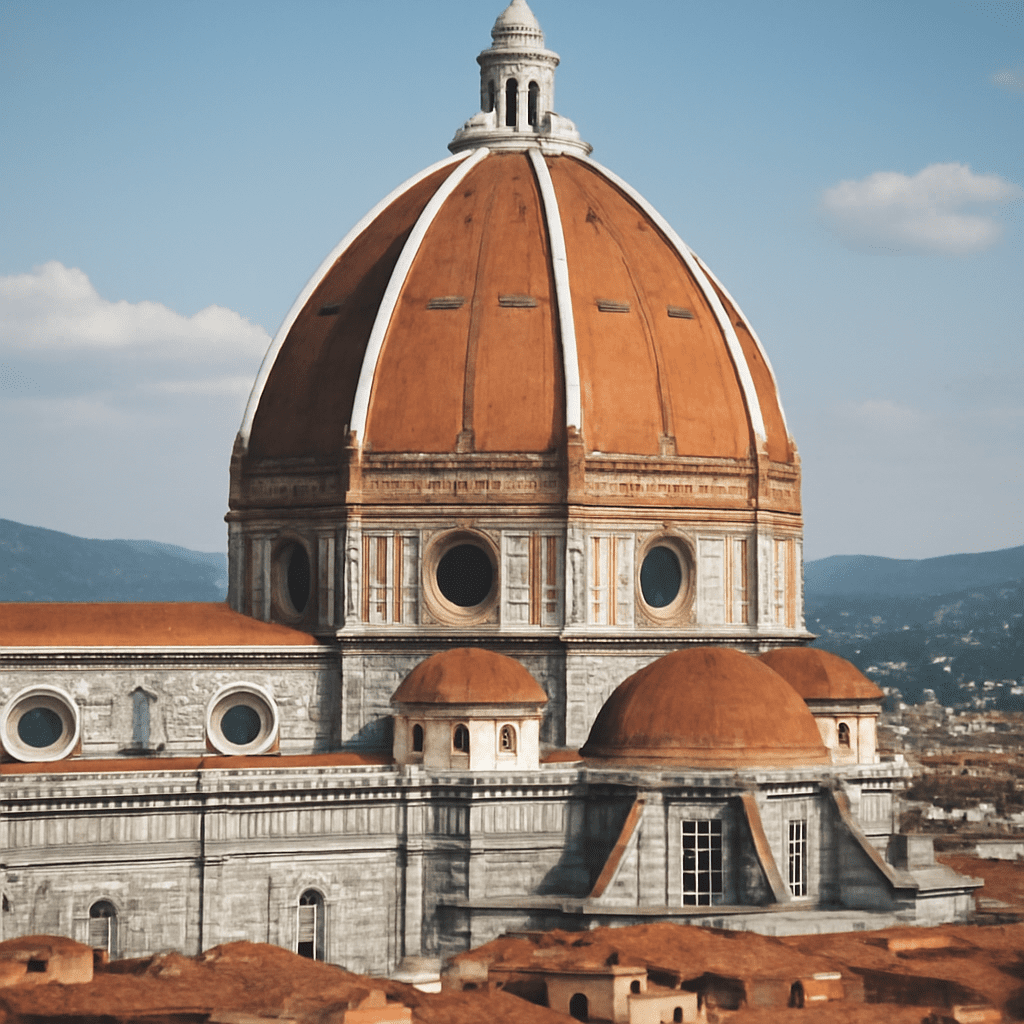
The most conspicuous landmark on a Brunelleschi architecture walk is the dome of Santa Maria del Fiore. Its pointed, eight-sided silhouette rises above the cathedral’s drum, with pale ribs defining the edges against the red roof. The cathedral authority dates construction to 1420–1436 and identifies Brunelleschi’s plan.
The dome has inner and outer shells linked by a system of ribs; a passage between them leads upward toward the lantern. The inner shell supplies the primary structure, while the outer shell helps protect it and gives the dome its visible profile. Building at this scale required coordinated masonry, lifting equipment and construction planning as well as a compelling outline. Its achievement belongs to the craftspeople and building organization as well as the architect’s design.
A Filippo Brunelleschi architecture itinerary can begin outside, where the profile and ribs are legible against the sky, then move inside to appreciate the span from the cathedral floor. A view from the passage between the shells reveals a different object: a thick, layered construction rather than a single thin surface. The later painted interior decoration should be distinguished from the fifteenth-century structural project.
At the Ospedale degli Innocenti, Brunelleschi’s architectural design meets the scale of a public square. The long loggia faces Piazza della Santissima Annunziata with a regular sequence of round arches carried on slender columns. Gray pietra serena stands against pale plaster, making the structural divisions easy to follow. The covered walkway mediates between the open piazza and the institution beyond it.
The Museo degli Innocenti describes Brunelleschi’s use of columns, capitals, arches and vaults, and their relationship to a revived classical vocabulary. Repetition makes the façade intelligible at a glance; the space also has a civic purpose, giving the hospital a composed public frontage and a sheltered edge to the square.
Among Brunelleschi works, the hospital is especially helpful for seeing how a repeated bay gives a large frontage a human scale. The familiar blue-and-white infant roundels are later additions, rather than evidence of every detail in his original scheme. The complex also changed over time, so its present appearance brings together several periods of work and restoration.
An account of Brunelleschi’s buildings should distinguish an initial design from later execution, alteration and decoration. An architect’s name on a guidebook entry can refer to one stage of a long building history. Contemporary records, construction dates and the institution responsible for a site help establish which contribution is being described.
The same care applies to images. A reproduction of the Isaac relief records an artwork attributed to Brunelleschi; a modern diagram of the dome explains a structure built to his plan. Neither is itself a surviving perspective experiment. Looking separately at the bronze, the cathedral and the hospital allows the work of Brunelleschi across art and architecture to retain its material differences while showing the range of problems he addressed.

Learn how to crochet a penguin with our free amigurumi pattern. Perfect for beginners, this guide helps you craft an adorable crochet penguin step by step.

Discover free crochet patterns for babies that are perfect for beginners. Create adorable items for newborns with these simple and stylish designs.

Embarking on the journey of learning graphic design can be both exciting and daunting. If you’re a beginner eager to dive into this creative field, understanding the fundamentals, tools, and available resources is essential. This guide will walk you through how to learn graphic design effectively, providing you with practical steps and insights.
Graphic design is the art of creating visual content to communicate messages. By applying visual hierarchy and page layout techniques, designers use typography and pictures to meet users’ specific needs and focus on the logic of displaying elements in interactive designs to optimize the user experience. The core principles include balance, contrast, emphasis, movement, proportion, and white space. Mastering these basics establishes a strong foundation for any aspiring designer.
Familiarity with the right tools is crucial for any beginner learning graphic design. Here are some essential software options:
Each tool has its unique strengths, so exploring these options can help you decide which aligns best with your design goals.
To effectively learn graphic design, follow these practical steps:
Numerous resources can aid you in learning graphic design, from free tutorials to comprehensive courses. Consider these options:
Utilizing these resources will enhance your understanding and keep you updated on industry trends and techniques.
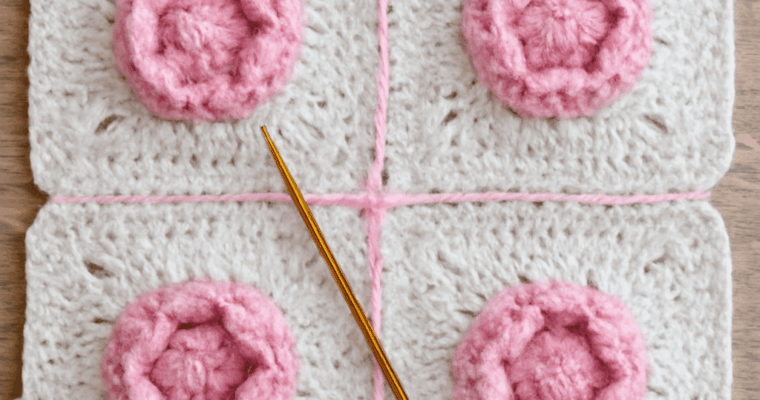
Learn how to join granny squares with this step-by-step guide. Explore various methods to crochet or sew granny squares together for beautiful projects.
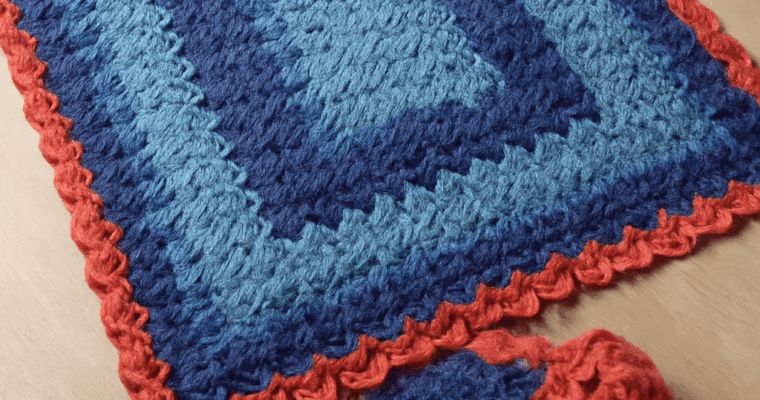
Learn how to crochet the elegant shell stitch with our detailed guide. Perfect for adding texture to your projects with easy-to-follow steps and tips.
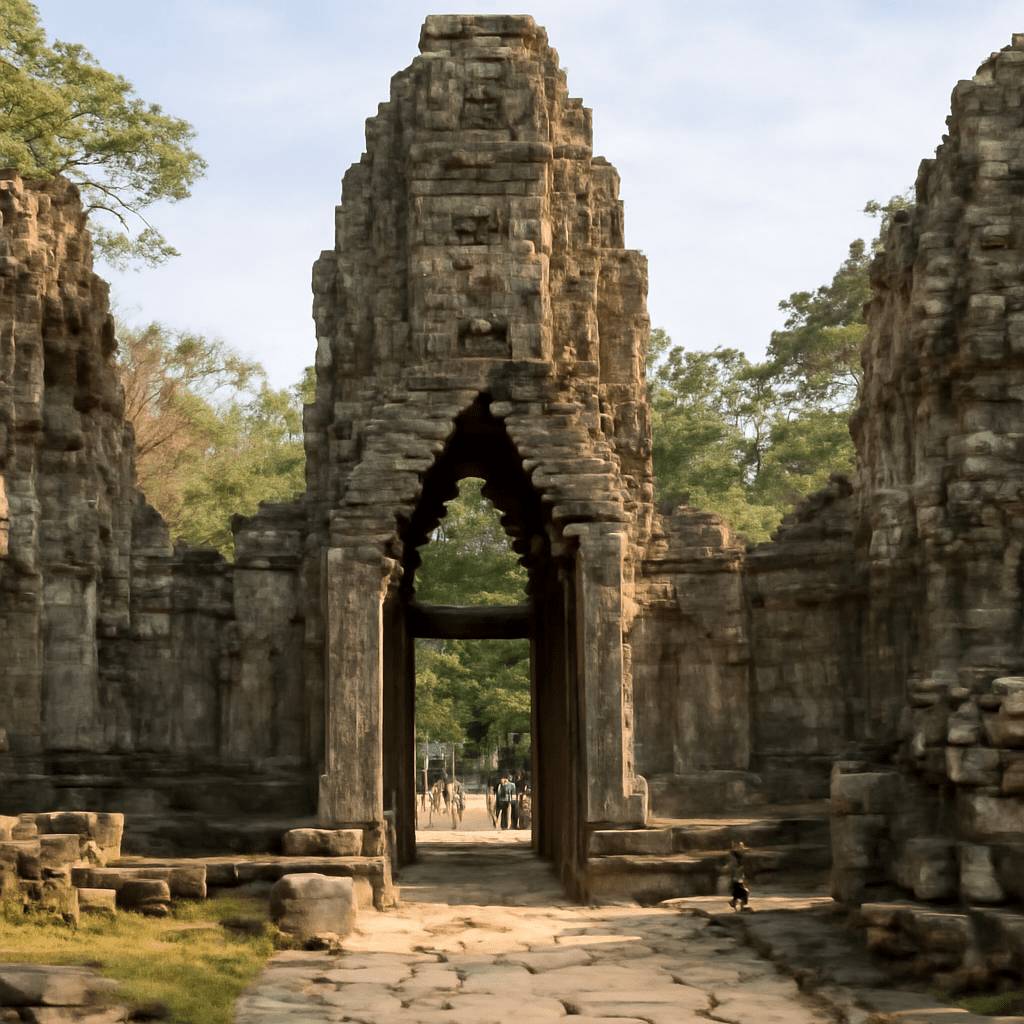
Cambodia is a country rich with history and culture, boasting some of the most awe-inspiring temples in the world. Among these, Angkor Wat stands as a crown jewel, attracting visitors from across the globe. Located in Siem Reap, Angkor Wat is not only a symbol of Cambodia’s architectural prowess but also a testament to its historical significance. This article delves into the wonders of the Cambodia temple, especially focusing on Siem Reap Angkor Wat, and provides essential tips for making the most of your visit.
Built in the early 12th century by King Suryavarman II, Angkor Wat was originally dedicated to the Hindu god Vishnu. The temple complex represents the peak of Khmer architecture and is the largest religious monument in the world. It later transformed into a Buddhist temple, reflecting the religious shift that occurred in the region. Angkor Wat symbolizes the unity of architecture and spirituality, embodying the Khmer Empire’s dedication to their gods and kings.
Cambodia’s temples are renowned for their intricate designs and grand scale. Angkor Wat, in particular, is a masterpiece of Khmer architecture. The complex showcases a harmonious blend of spirituality and symbolism, with its five towering spires representing the peaks of Mount Meru, the center of the universe in Hindu and Buddhist cosmology. The bas-reliefs and carvings display stories from Hindu mythology, offering insight into the artistic and religious practices of the time.
Beyond Angkor Wat, other significant temples in the Angkor Archaeological Park include Bayon, known for its enigmatic smiling faces, and Ta Prohm, famous for its intermingling of nature and architecture as tree roots envelop the ruins.
Siem Reap serves as the ideal base for exploring Angkor Wat and its surrounding temples. The city offers a mix of cultural experiences, from vibrant night markets to traditional Apsara dance performances. Visitors can also explore the Angkor National Museum, which provides context and history about the temples.
Siem Reap’s proximity to the temple complex makes it convenient for visitors to take guided tours or rent bicycles to explore the area. The city’s infrastructure is well-developed, catering to the needs of travelers with a range of accommodations and dining options.

Discover how to design eye-catching album covers using free tools. Learn about top album cover creators and tips for creating impactful designs.