
Exploring Modern Style Homes
Explore the charm of modern style homes, featuring beautiful designs, small house innovations, and the latest in modern architecture trends.
Explore the charm of modern style homes, featuring beautiful designs, small house innovations, and the latest in modern architecture trends.
A painting made to order starts with a thoughtful brief. Learn how to choose an artist, discuss costs and revisions, and plan delivery with confidence.
A tiny chain runs from the goldfinch’s foot to its perch. In Carel Fabritius’s The Goldfinch, that fine line changes an attractive study of feathers into an image of a living creature held close to human life. Across celebrated paintings featuring animals, such details can shift attention from appearance to character, relationship, and meaning.
This selection follows a horse, a bird, a dog, a tiger, and a crowd of horses through five centuries of European art. These images of animals range from intimate observations to public spectacle, showing how scale, setting, and gesture shape what a viewer sees.
George Stubbs’s Whistlejacket, made around 1762, gives a racehorse the scale and presence usually associated with a grand human portrait. The chestnut stallion rises on his hind legs against a pale, empty background. There is no rider or landscape to compete with the sweep of his neck, the taut muscles, or the alert turn of his head.
The horse belonged to the Marquess of Rockingham, a breeder and collector. According to the National Gallery, the canvas was probably commissioned as a life-size portrait after Whistlejacket’s racing career. The sense of vitality comes from close attention to an individual body, while the elevated pose gives the animal an almost sculptural dignity.
Among famous animal paintings, this work stands out for giving its subject the whole stage. Its plain ground also slows the eye: with no story unfolding around the horse, small changes in contour and light become the action.
Fabritius painted The Goldfinch in 1654 on a small panel. The bird rests on a feeder against a pale wall, its compact body described with visible strokes. A touch of red around the face and a bright yellow band in the wing make the muted surface suddenly vivid.
The Mauritshuis notes that Fabritius scratched through the yellow paint to reveal darker color beneath. The marks let a viewer sense both the bird’s plumage and the physical movement of the brush. Goldfinches were kept as pets and could be taught to draw water in miniature buckets; the chain makes that domestic relationship visible.
Unlike Stubbs’s commanding horse, this bird occupies an intimate space. Both are renowned animal portraits in paint, yet their scale changes the encounter: one confronts the viewer across a room, while the other rewards a close look at the weight of a foot and the texture of feathers.
In Jan van Eyck’s The Arnolfini Portrait of 1434, a small dog stands between the two people, looking outward. Its finely rendered fur catches attention at floor level, below the couple’s joined hands and the elaborate interior. The dog belongs to a carefully observed room, sharing the picture with clothing, furniture, and a convex mirror.
Dogs were a familiar sign of fidelity, and the National Gallery presents that association as one way to understand the figure. The interpretation is suggestive rather than a complete explanation of the portrait: the dog also contributes a lively, tangible presence to a room filled with evidence of human status and domestic life.
Here the animal does not need to dominate the canvas. Its position draws the gaze between the sitters and the viewer, while its possible symbolism adds another layer to a scene whose details continue to invite interpretation. Many well-known animal pictures make the creature the subject; van Eyck shows how much a smaller figure can contribute to a human portrait.
Henri Rousseau’s Surprised! of 1891 places a tiger in dense foliage beneath a storm. The animal crouches, mouth open, as diagonal rain and jagged lightning animate the scene. Stripes in the tiger’s coat echo the long leaves and grass, binding creature and environment into one restless pattern.
The National Gallery describes uncertainty over the action: the tiger may be startled by lightning or stalking prey. Rousseau constructed his jungle from imagination and observations of plants in Paris; the picture’s tension comes from its arrangement of shapes and weather rather than a documented encounter in the wild.
Placed beside Fabritius’s still bird, Rousseau’s tiger shows how pictures of animals can create suspense without resolving a story. This celebrated animal artwork invites the viewer to read the exposed teeth and arched back, then search the foliage for a cause.
Rosa Bonheur’s The Horse Fair, painted in 1853–55, turns from the individual horse to a crowded market scene. Horses surge across a broad canvas as handlers and riders try to guide them. Repeated bodies and changing directions make the eye travel through the picture, from one raised head or straining leg to the next.
Bonheur depicts animals, painting their muscular bodies and movements within a scene of human work. The Metropolitan Museum of Art connects the work to extensive preparatory drawing and study of animal anatomy. Its scale gives everyday commerce the visual force of a major public event.
A comparison of these famous paintings of animals shows the range of choices: Stubbs isolates one horse, while Bonheur uses a group to build rhythm and social context. In both, careful observation gives form to power; the difference lies in whether that power fills a quiet field or moves through a crowd.

Explore beginner crochet patterns with these easy projects. Start your crochet journey with simple designs perfect for beginners. Get crafting today!

Discover the architectural marvels and historical significance of the Forbidden City in Beijing, the heart of China’s imperial heritage.
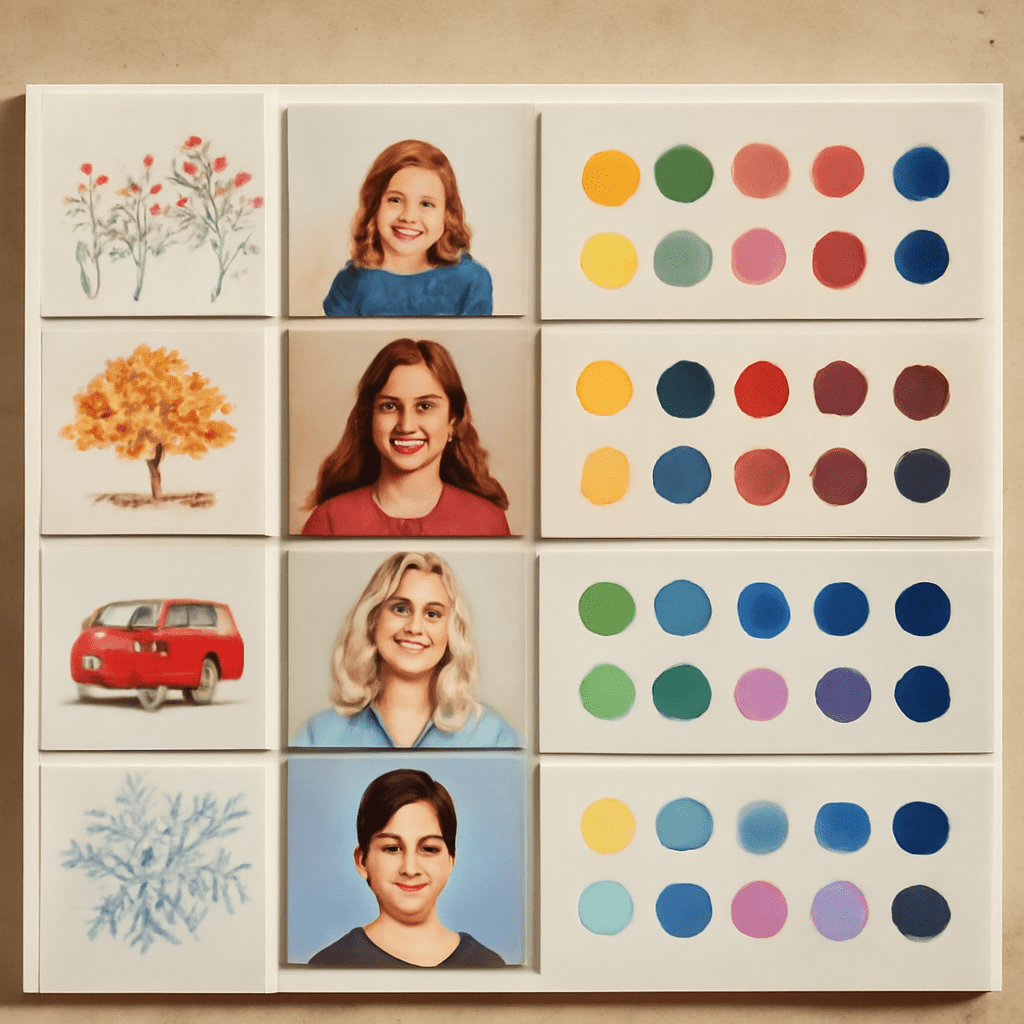
In the realm of graphic design, the concept of a skin color palette has gained significant importance. This palette offers a range of hues that represent various skin tones, promoting inclusivity and diversity in visual projects. Understanding how to utilize a skin palette effectively can enhance the relatability and appeal of your design work.
A skin color palette is a curated collection of shades that depict the wide spectrum of human skin tones. From the lightest to the darkest hues, these palettes are used to ensure representation of all ethnicities and backgrounds. They are essential in projects that involve human illustrations, avatars, or any graphics depicting people.
Using skin palettes in design is crucial for several reasons. Firstly, it promotes inclusivity by representing diverse audiences. By incorporating a variety of skin tones, designers can connect more authentically with a global audience. Additionally, it demonstrates cultural awareness and sensitivity, essential in today’s interconnected world.
To create an inclusive skin palette, begin by researching the demographics of your target audience. This research will guide you in selecting a range of skin tones that accurately reflect your audience. Tools like Adobe Color and Coolors can help in mixing and matching shades to achieve a balanced palette.
Ensure your palette includes a wide range of tones from fair to deep. Consider testing your colors on different devices to ensure consistency and accessibility. Regular feedback from diverse focus groups can also help refine your palette for more inclusive representation.
Skin color palettes have numerous practical applications in graphic design. They are commonly used in branding, advertising, and digital media where human representation is key. For instance, creating avatars or illustrations for a multicultural audience requires a thoughtful selection of skin tones to resonate with various viewers.
In UI/UX design, skin palettes can enhance user engagement by making applications feel more personalized. Similarly, in educational materials and infographics, these palettes aid in visually representing diversity, which is crucial for inclusive education.
When designing marketing campaigns, using a skin palette can help tailor visuals to specific demographic groups, increasing relatability and engagement. Brands like Fenty Beauty and Band-Aid have successfully utilized skin palettes to cater to a diverse clientele, setting industry standards for inclusivity.
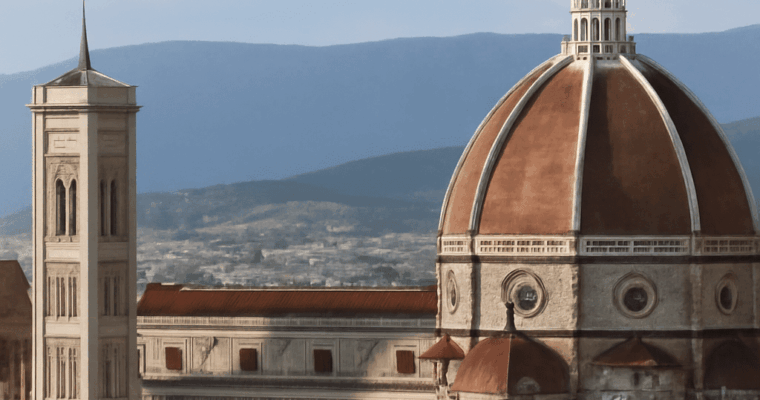
Explore the history and design of the Duomo in Florence, including the iconic dome of Florence Cathedral, a symbol of Renaissance architecture.
Painting traditions in Russia span sacred icons, social realism, and abstraction. Discover five distinctive works and the artists and histories behind them.
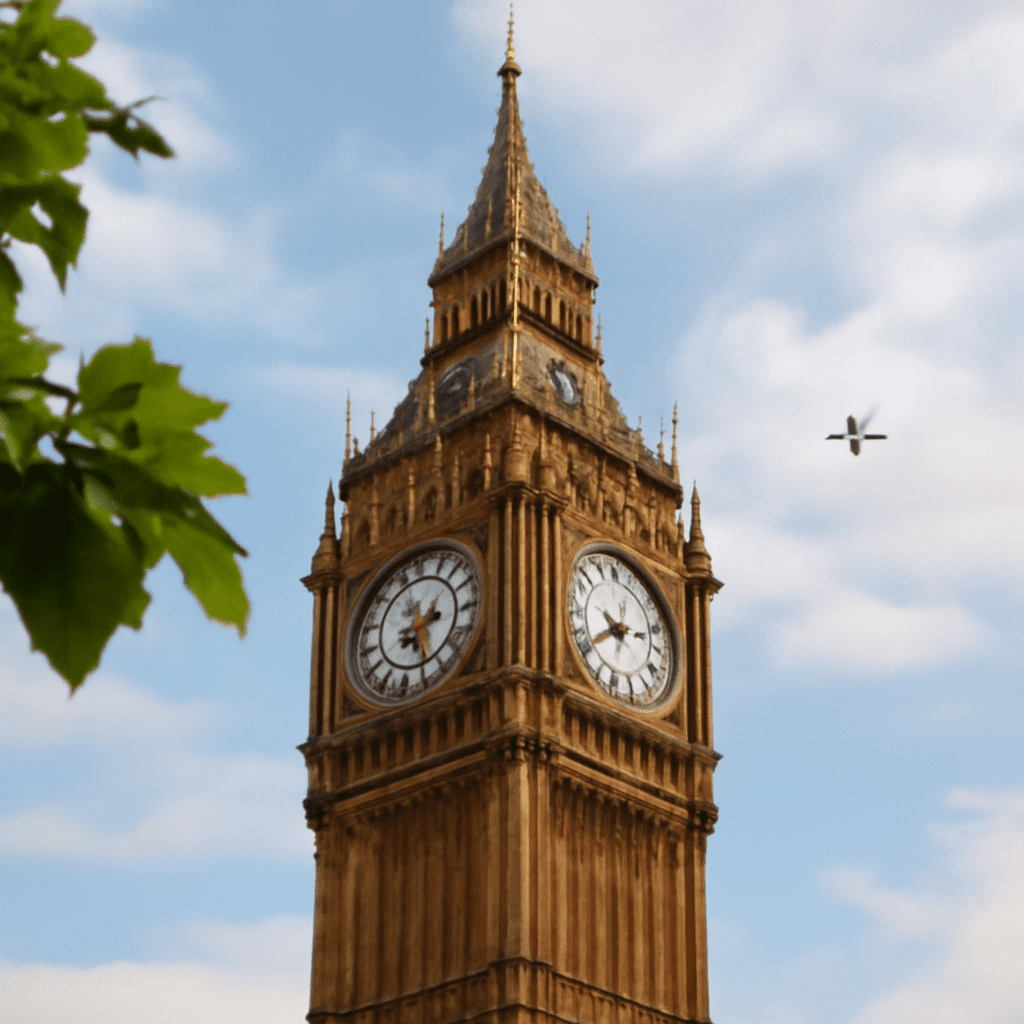
Exploring Elizabeth Tower and the Construction of Big Ben
The Elizabeth Tower, an iconic symbol of London, is often mistakenly identified as Big Ben. However, Big Ben is actually the name of the great bell housed within the tower. Standing proudly at the north end of the Houses of Parliament, this Gothic Revival masterpiece is a significant piece of British heritage and an architectural marvel that attracts millions of visitors each year.
The construction of Elizabeth Tower began after the Palace of Westminster was ravaged by a fire in 1834. The task of rebuilding the palace, including the clock tower, was entrusted to the architect Charles Barry. His vision was brought to life with the assistance of Augustus Pugin, who provided intricate Gothic details that define the structure’s style. The tower was completed in 1859, marking an important milestone in British architectural history.
The creation of Big Ben, the bell inside the Elizabeth Tower, was a complex endeavor. The original bell was cast by John Warner & Sons in 1856 but cracked during testing. The task of recasting Big Ben was then given to the Whitechapel Bell Foundry, which succeeded in creating the bell that still rings today. Sir Edmund Beckett Denison, an eminent lawyer and horologist, crafted the clock mechanism alongside George Airy, the Astronomer Royal. Their collaboration ensured the clock’s precision and reliability, which continues to impress to this day.
The Elizabeth Tower stands as a testament to the Gothic Revival architectural style, characterized by its ornate detailing and grandeur. Augustus Pugin’s influence is evident in the tower’s intricate design, which includes pointed arches, spires, and decorative stonework. The clock faces, each measuring 23 feet in diameter, are a marvel in themselves, featuring frames made of cast iron and over 312 pieces of opal glass. The tower’s spire rises to a height of 316 feet, contributing to its imposing presence on the London skyline.
Elizabeth Tower and Big Ben have become enduring symbols of the United Kingdom, representing not only architectural brilliance but also the resilience and continuity of British culture. Throughout history, the tolling of Big Ben has marked important moments and events, serving as a beacon of hope and unity. The tower has been an inspiration for countless artists, writers, and filmmakers, cementing its place in global popular culture.
Whether as the backdrop of historic events or the face of countless souvenirs, Elizabeth Tower remains a beloved landmark that embodies the spirit of London. Its ongoing legacy continues to captivate and inspire people from around the world, ensuring its place in the annals of architectural and cultural history.
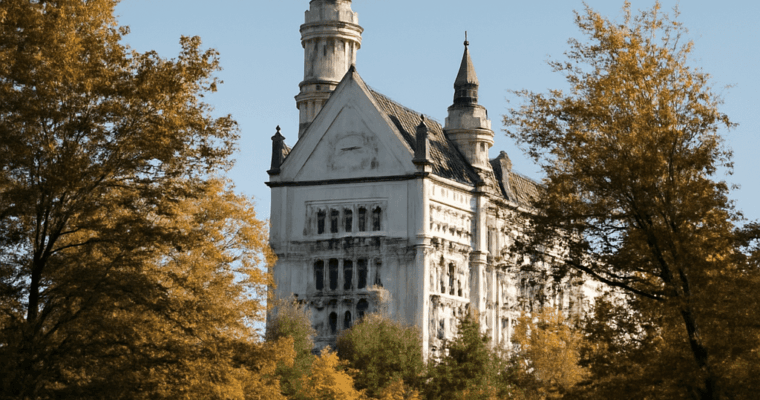
Explore the enchanting Neuschwanstein Castle in Bavaria, the inspiration behind Disney’s castles. Learn about its history, architecture, and cultural significance.