Exploring Elizabeth Tower and the Construction of Big Ben
Exploring Elizabeth Tower and the Construction of Big Ben
Introduction to Elizabeth Tower
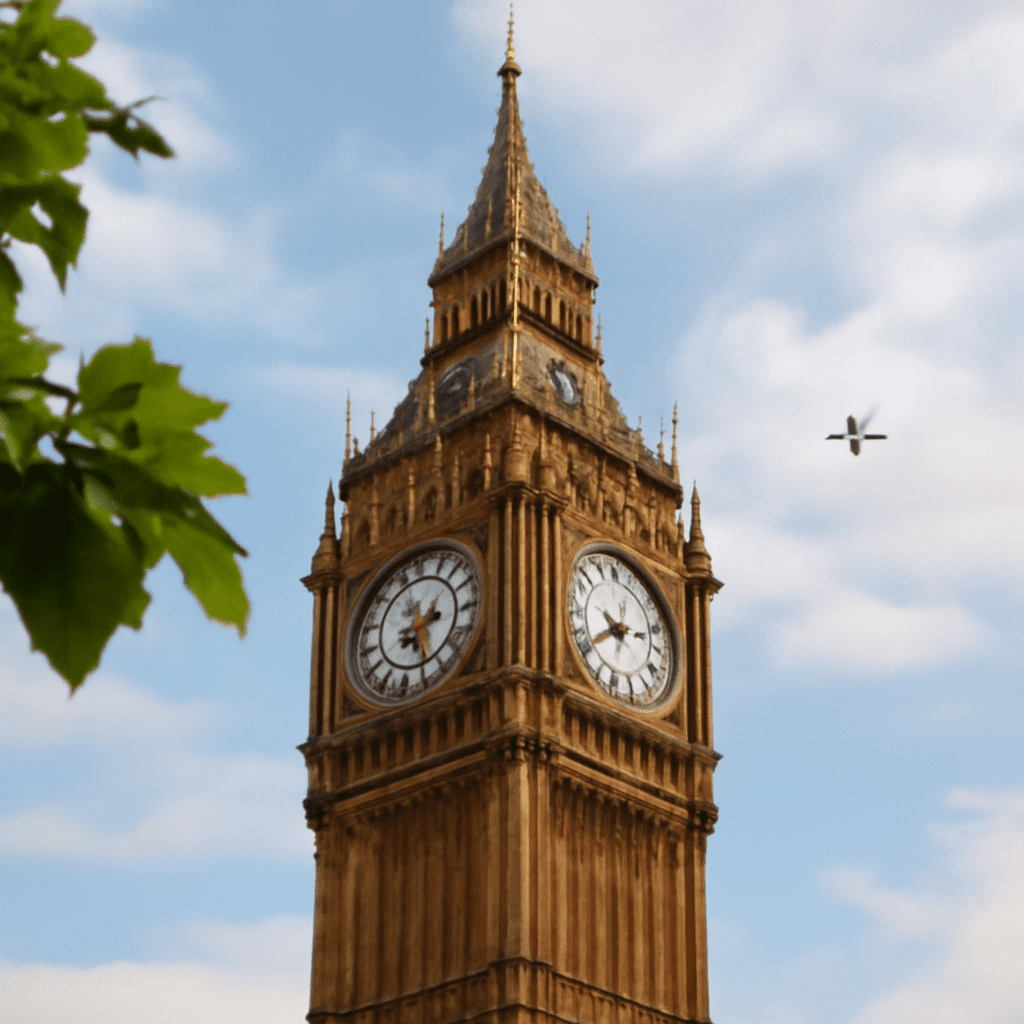
The Elizabeth Tower, an iconic symbol of London, is often mistakenly identified as Big Ben. However, Big Ben is actually the name of the great bell housed within the tower. Standing proudly at the north end of the Houses of Parliament, this Gothic Revival masterpiece is a significant piece of British heritage and an architectural marvel that attracts millions of visitors each year.
The History Behind the Construction
The construction of Elizabeth Tower began after the Palace of Westminster was ravaged by a fire in 1834. The task of rebuilding the palace, including the clock tower, was entrusted to the architect Charles Barry. His vision was brought to life with the assistance of Augustus Pugin, who provided intricate Gothic details that define the structure’s style. The tower was completed in 1859, marking an important milestone in British architectural history.
Who Built Big Ben?
The creation of Big Ben, the bell inside the Elizabeth Tower, was a complex endeavor. The original bell was cast by John Warner & Sons in 1856 but cracked during testing. The task of recasting Big Ben was then given to the Whitechapel Bell Foundry, which succeeded in creating the bell that still rings today. Sir Edmund Beckett Denison, an eminent lawyer and horologist, crafted the clock mechanism alongside George Airy, the Astronomer Royal. Their collaboration ensured the clock’s precision and reliability, which continues to impress to this day.
Architectural Significance and Style
The Elizabeth Tower stands as a testament to the Gothic Revival architectural style, characterized by its ornate detailing and grandeur. Augustus Pugin’s influence is evident in the tower’s intricate design, which includes pointed arches, spires, and decorative stonework. The clock faces, each measuring 23 feet in diameter, are a marvel in themselves, featuring frames made of cast iron and over 312 pieces of opal glass. The tower’s spire rises to a height of 316 feet, contributing to its imposing presence on the London skyline.
Cultural Impact and Legacy
Elizabeth Tower and Big Ben have become enduring symbols of the United Kingdom, representing not only architectural brilliance but also the resilience and continuity of British culture. Throughout history, the tolling of Big Ben has marked important moments and events, serving as a beacon of hope and unity. The tower has been an inspiration for countless artists, writers, and filmmakers, cementing its place in global popular culture.
Whether as the backdrop of historic events or the face of countless souvenirs, Elizabeth Tower remains a beloved landmark that embodies the spirit of London. Its ongoing legacy continues to captivate and inspire people from around the world, ensuring its place in the annals of architectural and cultural history.