Understanding Egyptian Art: Styles and History
Dive into the captivating world of Egyptian art, unraveling its history, styles, and cultural significance from ancient times to today.
Dive into the captivating world of Egyptian art, unraveling its history, styles, and cultural significance from ancient times to today.

Discover diverse aesthetic themes for interiors, learn how to apply them, and explore visual aesthetics with examples that transform your space.
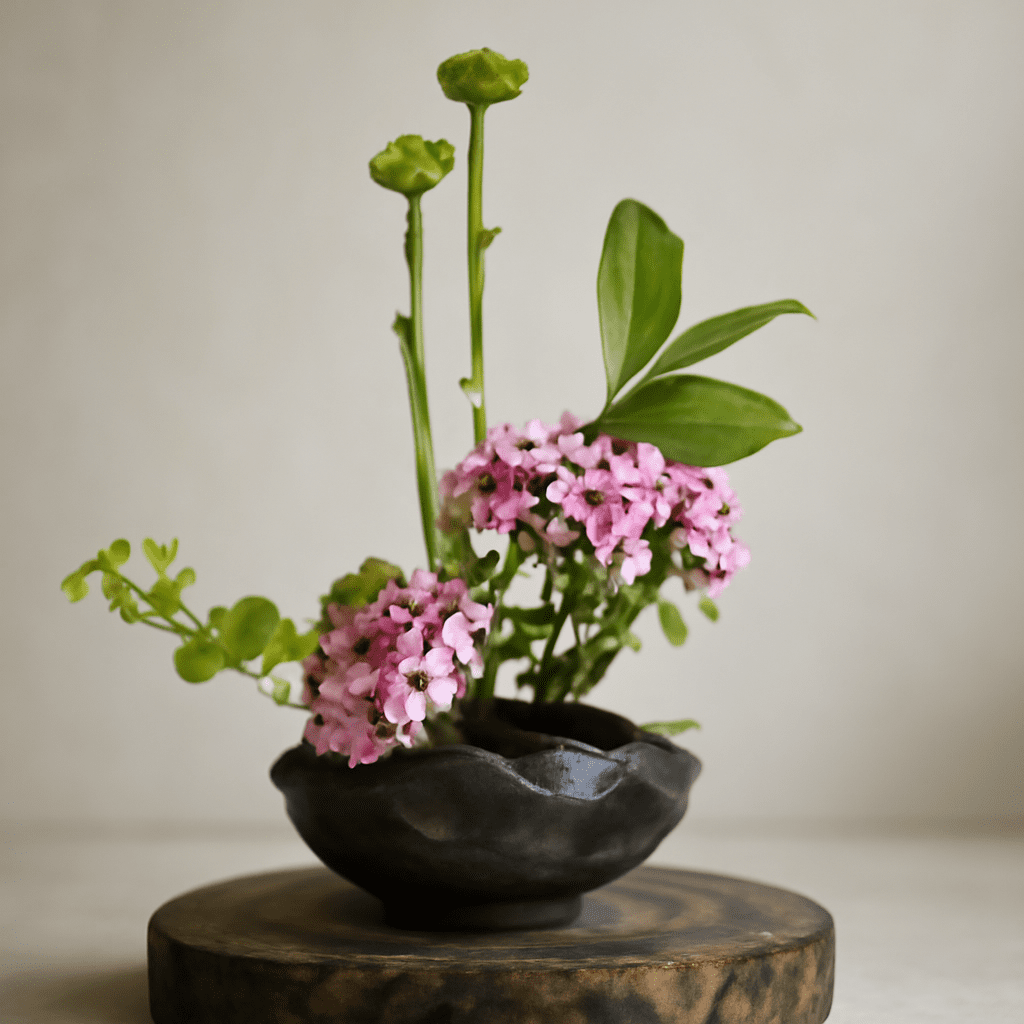
Ikebana, or Japanese flower arranging, is a centuries-old art form that transcends mere floral decoration. It is a disciplined practice that embodies harmony, balance, and simplicity, making it a unique cultural expression. Unlike Western flower arrangements, which focus on color and quantity, ikebana emphasizes the line, form, and minimalism. By understanding the essence of ikebana, one can appreciate the profound beauty and meaning behind each arrangement.
Ikebana is the traditional Japanese art of flower arranging that dates back to the 7th century. Initially associated with religious offerings in Buddhist temples, it evolved into an art form that reflects the natural world and one’s connection to it. The term “ikebana” translates to “giving life to flowers,” which illustrates the practice’s philosophy of creating living works of art. Each ikebana flower arrangement is a unique expression, capturing the beauty of nature and the spirit of the season.
Creating an ikebana flower arrangement involves mastering several basic techniques. One of the fundamental practices is “kabuwa,” which means to trim and arrange the stems to achieve the desired balance and proportion. Practitioners use a “kenzan,” a spiked holder, to secure the flowers in place. Another key technique is “moribana,” which involves arranging flowers in a shallow container, creating a natural landscape.
When arranging ikebana flowers, the artist must consider three main elements: line, balance, and harmony. The lines are the stems, leaves, and branches that guide the viewer’s eye through the arrangement. Balance is achieved by ensuring that the elements are proportionate and harmonious within the space they occupy. The harmony in ikebana is not only about the arrangement itself but also how it complements its surroundings.
Ikebana features several distinct styles and forms, each with its unique characteristics. The “Rikka” style, which means “standing flowers,” is one of the oldest forms, characterized by its formal and structured appearance. It typically consists of tall, upright arrangements that represent natural landscapes such as mountains and rivers.
In contrast, the “Nageire” style is more informal and spontaneous, often used in traditional Japanese tea ceremonies. This freestyle form allows for more creativity and less rigid structure, giving the artist greater freedom to express personal emotions through the arrangement.
Another popular form is “Shoka,” known for its simplicity and elegance. Shoka arrangements emphasize the beauty of each flower and utilize only a few elements to create an understated yet powerful visual impact.
Ikebana is deeply rooted in Japanese culture and holds significant cultural importance. It is not merely an art form but a practice that encourages mindfulness and a deeper connection with nature. The meditative process of creating an ikebana arrangement allows the artist to reflect on the transient beauty of life and appreciate the present moment.
In addition to its aesthetic value, ikebana serves as a means of communication and a way to convey emotions. Each arrangement tells a story and expresses feelings such as love, gratitude, or sorrow. It is also a way to celebrate seasonal changes and honor cultural traditions, making it an integral part of Japanese ceremonies and festivals.
The influence of ikebana extends beyond Japan, inspiring floral artists worldwide to adopt its principles and techniques. Its emphasis on simplicity, natural beauty, and the harmonious balance between elements resonates with people seeking a deeper connection with nature in an increasingly fast-paced world.

Learn how to use crochet pattern makers and charts to craft beautiful crochet designs. Discover essential tools and tips for creating your own crochet graphs.

Pencil drawings of animals begin with a closer look. Discover how proportion, light, and carefully placed fur marks turn a reference into a convincing image.

The last brushstroke is dry, the canvas is ready to frame, and one decision remains: where should the artist put a name? A signature on a painting needs to identify its maker while sitting comfortably within the image. Thinking through how a painting should be signed before the brush touches the surface gives that final mark the same care as the rest of the composition.
When choosing where to sign a canvas, a lower corner is a familiar position because it is easy to find and often has space away from the main subject. The lower left may balance a figure on the right; the lower right may settle into a dark foreground. Neither corner is compulsory. A signature can also sit along an edge or on the back when the face of the work has no suitable opening.
Stand back from the painting and look for an area where the mark will remain visible without pulling the eye away from a face, a bright highlight, or another focal point. A painted signature placed over a busy pattern can disappear; the same name on a quiet patch may read clearly at a smaller size. Before committing, write a trial version on a scrap of transparent acetate and hold it over several positions. Keep the sheet from rubbing against a vulnerable surface.
The question of how to sign a painting also depends on the intended frame. A mat or frame lip can cover part of a mark placed too close to the edge. If the framing dimensions are known, mark the covered area on a separate sheet and use it as a guide. If they are not, allow a margin and photograph the finished work before framing.
A full name, surname, initials, or an established artist name can all work. The choice should be recognizable and reasonably consistent across a body of work. An elaborate flourish may suit one image but become difficult to repeat at a smaller scale; a simpler version gives the artist more control. A date can be included alongside the name, on the reverse, or in the work’s records. Deciding how to add a signature to a painting includes choosing whether that date belongs on its face.
A painting signature should be large enough to read at close range and small enough to remain subordinate to the image. Its color can echo a nearby hue, with enough contrast to separate the letters from the background. The lettering can borrow its color from the surrounding palette. A warm brown on a pale ground may feel integrated; a thin dark line on a dark ground may disappear altogether. Testing a sample against a similar color helps reveal the difference.
Artists deciding how to sign artwork can practice the same name at several sizes on scrap material. The pressure of the hand, the spacing between letters, and the length of a final stroke all change its visual weight. For a small panel, a compact surname may work better than a long inscription; a larger canvas can accommodate a more open hand.
The signing material should adhere to the painted surface and remain compatible with the layers beneath it. To sign an acrylic painting, an artist might use acrylic paint and a fine brush; for an oil painting, a small amount of oil paint is a common choice. Use a clean brush with a point that holds its shape, and test the paint’s flow on a separate surface first. Paint that is too thick can leave ridges, while a very thin mixture can spread into uneven lines.
Timing a signature on the painted surface matters. If the underlying paint is still wet, the name may blend into it or drag through it. On a dry surface, a separate mark gives greater control, though the appropriate drying interval depends on the medium and thickness of the paint. When working over a varnished surface, consult the coating and paint manufacturers’ guidance before adding anything; the behavior of a new layer depends on the materials already present.
When signing artwork, the artist can use a light touch and make the letters in a few confident strokes. A small mahlstick or a hand rested on a clean support can help steady the brush without touching the picture. If a mistake occurs, the safest correction depends on the medium and how far the layer has dried; avoid scraping or applying a solvent without knowing how it will affect the paint below.
Adding a name to the finished piece is only one part of keeping it identifiable. Maintain a record with the artist’s name, title, date or year, medium, support, dimensions, and a clear photograph of both the front and the reverse. Give the image file and record a matching identifier, and note any later changes in title, framing, or ownership history as they become known.
The way an artist writes a name can help connect a picture to those records, but a name alone does not establish authorship, authenticity, or ownership. Keep dated photographs and other relevant documentation with the record so that the work can be traced and described accurately.
Before deciding how to put a signature on a painting, check the proposed location against the frame, hold the test version at viewing distance, and confirm that the chosen paint flows cleanly on scrap. Then make the mark on the finished surface.

Explore various room aesthetics and themes to transform your living space. Discover ideas, styles, and tips to create the perfect ambiance in your home.

Delve into the history, architectural style, and cultural significance of St Basil’s Cathedral, a masterpiece of Russian architecture in Moscow.
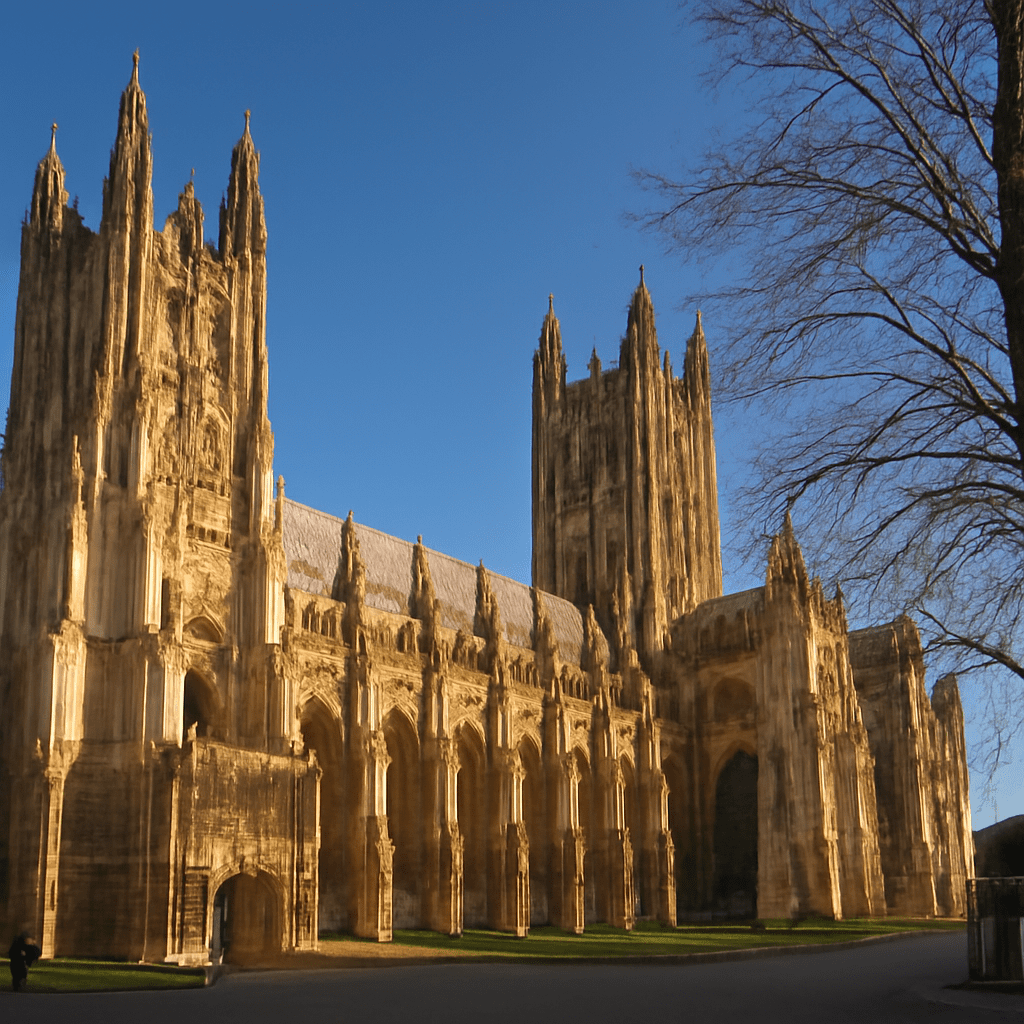
Gothic style architecture has captivated the imagination for centuries, characterized by its intricate designs and striking verticality. From soaring gothic towers to the serene interiors of gothic style churches, this architectural genre stands as a testament to human creativity and spiritual expression. Whether you’re an architecture enthusiast or a traveler seeking the spiritual ambiance of gothic churches, exploring these masterpieces offers a profound insight into a bygone era.
Gothic style architecture emerged in the 12th century in France, marking a departure from the Romanesque style that preceded it. Its inception is attributed to the need for larger, brighter church interiors, which were achieved through innovative engineering techniques. The defining elements—such as pointed arches, ribbed vaults, and flying buttresses—allowed for taller structures and larger windows.
The architectural style spread quickly across Europe, becoming prevalent in ecclesiastical buildings. Its reach extended beyond religious structures, influencing civic buildings and castles. Gothic architecture was not only a technical achievement but also carried deep religious and cultural significance, symbolizing the divine and transcendent.
Gothic style churches are renowned for their distinctive features that contribute to their grandeur. One of the most iconic elements is the pointed arch, which allows for greater height and stability. Ribbed vaults, another key feature, support the roof and further enable height.
The incorporation of large stained glass windows is perhaps one of the most admired aspects, filling interiors with vibrant light and depicting biblical scenes and saints. Flying buttresses are essential for supporting the weight of the walls while permitting enough space for expansive windows. These elements collectively create a sense of verticality and light, emphasizing the spiritual aspirations of the structures.
Gothic towers are among the most impressive features of gothic style architecture, serving as beacons of faith and architectural prowess. Notre-Dame Cathedral in Paris is a quintessential example, with its iconic towers reaching towards the heavens. These towers are adorned with intricate stone carvings and gargoyles that serve both decorative and structural purposes.
The Cologne Cathedral in Germany boasts one of the tallest gothic towers in the world, reflecting the ambition and skill of its medieval builders. Meanwhile, the Salisbury Cathedral in England is distinguished by its spire, the tallest in the country, illustrating the vertical emphasis of the style.
Each tower carries a unique story and architectural significance, contributing to the rich tapestry of gothic architecture and offering visitors a glimpse into the past.
Exploring gothic style churches offers an unparalleled experience of history and beauty. The Chartres Cathedral in France is celebrated for its stunning stained glass windows and labyrinth, a symbol of pilgrimage and contemplation.
The Milan Cathedral in Italy presents a magnificent example of late gothic architecture, with its elaborate façade and pinnacles creating a breathtaking silhouette. Similarly, the Westminster Abbey in London is a masterwork of gothic design, renowned for its role in royal ceremonies and its architectural splendor.
St. Vitus Cathedral in Prague stands as a testament to gothic artistry, with its elaborate rose windows and towering spires. Each of these churches provides a unique insight into the craftsmanship and spiritual aspirations that define gothic style architecture, inviting visitors to marvel at their grandeur and historical significance.

Discover innovative guest room ideas and decor tips, including solutions for small spaces, to create a welcoming and stylish retreat for your visitors.