Exploring St Basil’s Cathedral: A Russian Architectural Icon
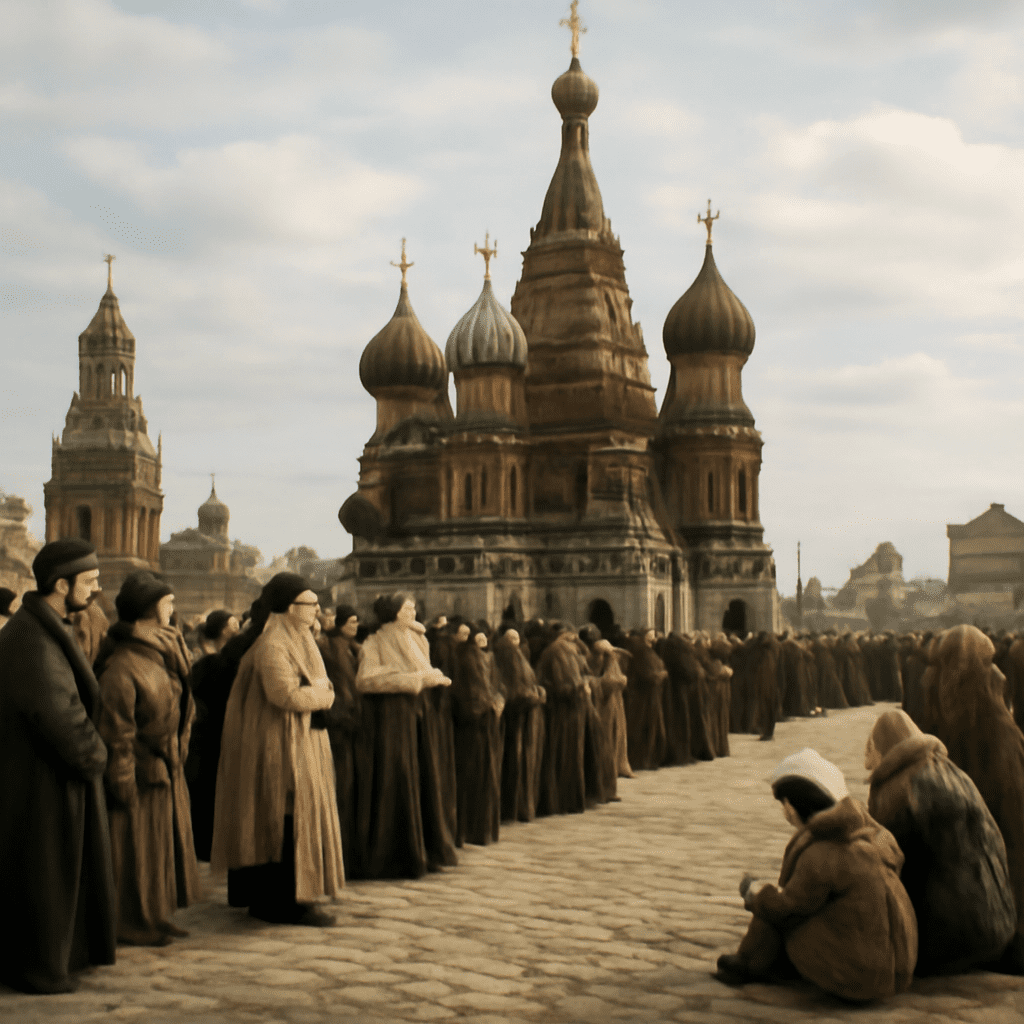
St Basil’s Cathedral, famously known as one of the most stunning architectural landmarks in Moscow, stands as a testament to the grandeur and artistry of Russian architecture. This vibrant and iconic structure captures the imagination of visitors with its colorful domes and intricate details. As we delve into the history, architectural style, and cultural significance of this masterpiece, the allure of the Russian cathedral becomes undeniably clear.
The History of St Basil’s Cathedral
St Basil’s Cathedral was commissioned by Ivan the Terrible to commemorate his victories over the Khanate of Kazan. Completed in 1561, the cathedral was originally known as the “Cathedral of the Intercession of the Most Holy Theotokos on the Moat,” reflecting its religious dedication. Legend suggests that Ivan blinded the architect, Postnik Yakovlev, to ensure he could never create anything as beautiful again, although this story remains unverified. Over the centuries, the cathedral has survived fires, invasions, and potential demolition plans, standing resilient as a symbol of Moscow’s enduring spirit.
Architectural Style and Features
St Basil’s Cathedral is renowned for its unique architectural style, which combines elements of traditional Russian, Byzantine, and Asian designs. Its most striking features are the nine onion-shaped domes, each painted in a vibrant array of colors and patterns. These domes represent different chapels within the cathedral, each dedicated to a particular saint or religious event. The asymmetrical structure, characterized by its complex geometric shapes and ornamental details, sets it apart from other historical structures. The interior of the cathedral is equally fascinating, with narrow corridors and spiral staircases leading to a series of chapels adorned with frescoes and icons.
Cultural Significance in Russia
St Basil’s Cathedral holds immense cultural significance in Russia. It symbolizes the rich religious tradition and historical legacy of the country. Over the years, it has become an emblem of Russian identity and resilience. The cathedral’s image is frequently used in literature, film, and art, symbolizing Moscow and, by extension, Russia itself. Its preservation and prominence in Red Square represent the importance of cultural heritage in Russian society. The cathedral is not only a place of worship but also a monument that encapsulates the artistic achievements and turbulent history of Russia.
Visiting St Basil’s Cathedral
Visiting St Basil’s Cathedral offers an unforgettable experience for tourists and locals alike. Located in the heart of Moscow’s Red Square, it is easily accessible via public transportation. The cathedral is open to the public, offering guided tours that provide insights into its historical and architectural significance. Visitors can explore the intricate interior, marvel at the stunning frescoes, and climb to the upper galleries for panoramic views of the surrounding square. The best time to visit is during the day when sunlight enhances the vibrant colors of the domes. Be sure to check visiting hours and any special events or religious services that might affect public access.