St Vitus Cathedral: A Masterpiece of Gothic Architecture in Prague
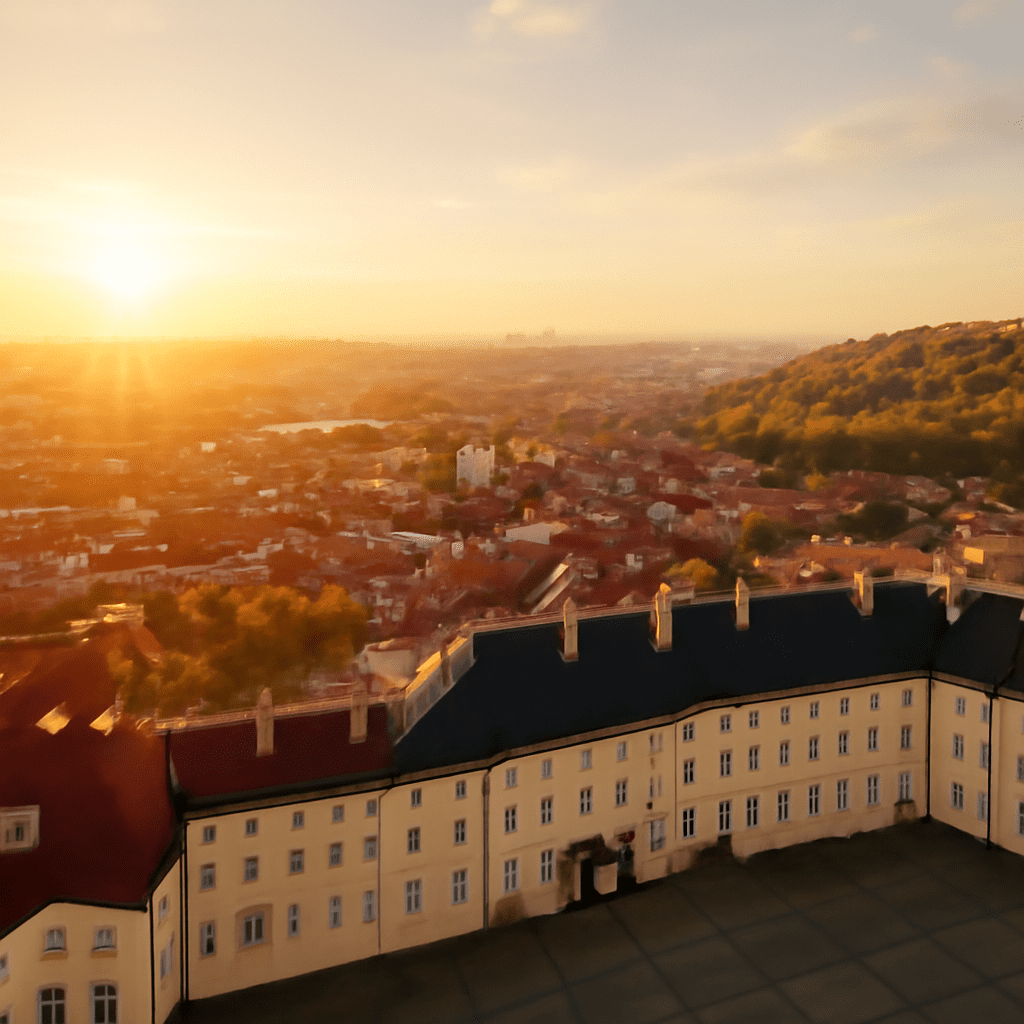
St Vitus Cathedral stands as the crown jewel of Prague’s skyline and a testament to the city’s rich spiritual and architectural heritage. Rising above the city within Prague Castle, this cathedral is not only the largest and most important church in the Czech Republic, but also an enduring symbol of national pride and European Gothic art. Known formally as the Metropolitan Cathedral of Saints Vitus, Wenceslaus and Adalbert, this awe-inspiring structure draws millions of visitors each year, eager to experience its storied history, magnificent interiors, and pivotal role in Czech culture. Whether you know it as St Vitus Cathedral or simply the Prague Cathedral, its grandeur and atmosphere leave an indelible mark on every visitor.
An Introduction to St Vitus Cathedral
St Vitus Cathedral is the spiritual heart of Prague and the Czech nation. Located within the bounds of Prague Castle, it dominates the city both physically and symbolically. Construction of the original rotunda began in 930 AD by Duke Wenceslas, but the grand Gothic structure that defines the cathedral today was initiated in 1344, under the reign of Charles IV. The site has remained a key place of worship, pilgrimage, and celebration for centuries.
The cathedral’s formal name reflects its dedication to three prominent saints: Saint Vitus, the cathedral’s principal patron; Wenceslaus, the Duke and later patron saint of Bohemia; and Adalbert, an important missionary bishop. St Vitus Cathedral is the seat of the Archbishop of Prague and has been the scene of royal coronations, weddings, and funerals throughout Czech history.
St Vitus Cathedral’s imposing silhouette, with its soaring spires and intricate stonework, is visible from all over Prague. As the city’s most iconic landmark, it is commonly referred to in travel guides and conversations as the Prague Cathedral. For locals and tourists alike, a visit here is an essential part of experiencing the spirit of the city.
The Architectural Evolution of Prague’s Cathedral
The architectural journey of St Vitus Cathedral spans over 600 years, mirroring the shifting styles and fortunes of Prague itself. The earliest structure was a simple Romanesque rotunda, succeeded in the 11th century by a larger basilica. However, the most significant transformation began in 1344, when King Charles IV ascended the throne and promoted Prague as the imperial capital. He commissioned French architect Matthias of Arras to construct a grand Gothic cathedral inspired by the great cathedrals of France.
Matthias of Arras started the new structure with an emphasis on French Gothic elements, such as pointed arches, ribbed vaults, and flying buttresses. After his death, Peter Parler, a young German architect, took over and brought a distinctly Central European flair to the design. Parler introduced innovative features like the net-vaulted ceilings and dynamic, sculptural ornamentation that now define the cathedral’s interior. His workshops filled the cathedral with elaborate stone tracery, unique bosses, and dramatic windows, making it one of the most ambitious Gothic projects north of the Alps.
Work on the cathedral was periodically halted by wars, changes in political power, and financial strife. The Hussite Wars in the 15th century stalled construction for generations. The cathedral remained unfinished for centuries, with a temporary wall closing off the choir. It wasn’t until the 19th and early 20th centuries that a renewed national movement raised funds and enthusiasm to complete the project. The final Neo-Gothic touches—most notably the western facade and towers—were finished in 1929, nearly a millennium after the first stones were laid. Today, St Vitus Cathedral is a fascinating blend of original French Gothic, unique Central European design, and 19th-century revival elements, making it a living chronicle of Prague’s architectural evolution.
Artistic Highlights and Iconic Features
Stepping into St Vitus Cathedral reveals a treasury of artistic masterpieces and architectural wonders. The soaring nave, flanked by slender columns and bathed in colored light from stained glass windows, immediately captures the imagination. Among the most celebrated features are the vibrant stained glass panels, many crafted by leading Czech artists, including Alfons Mucha’s famous Art Nouveau window depicting the life of Sts. Cyril and Methodius.
The cathedral’s chapels are rich with frescoes, intricate altarpieces, and sacred relics. The most venerated space is the St Wenceslaus Chapel, adorned with semi-precious stones and gilded frescoes, where the relics of the patron saint of Bohemia are kept. This chapel remains a significant site of pilgrimage and royal ceremony.
One cannot miss the grandiose Royal Mausoleum and the crypt beneath the cathedral, which houses the tombs of Bohemian kings and Holy Roman Emperors, including Charles IV. The cathedral’s triforium—a gallery running above the nave—displays stone busts of medieval architects, builders, and even jesters, offering a rare glimpse into the personalities behind the construction.
The southern facade boasts the ornate Golden Portal, its mosaic of the Last Judgment shining with gold and vibrant color. The Great South Tower, which rises 96 meters, houses the largest bell in the Czech Republic, known as Zikmund. Climbing the tower rewards visitors with panoramic views across Prague’s red rooftops and meandering river, underscoring why St Vitus Cathedral is a highlight of any visit to the Prague Castle complex.
St Vitus Cathedral’s Role in Czech History and Culture
St Vitus Cathedral is inextricably linked to the evolution of Czech national identity. For centuries, it has served as the site for the coronation of Bohemian kings and queens, as well as their final resting place. The cathedral’s treasury, one of the richest church treasuries in Europe, includes the Bohemian Crown Jewels, which are displayed to the public only on rare state occasions.
Beyond its royal significance, the Prague Cathedral has played a crucial role in religious life, hosting important liturgical celebrations, processions, and festivals. Its bells have tolled in times of both joy and crisis, marking pivotal moments in the country’s history—from the Hussite Wars to the Velvet Revolution.
St Vitus Cathedral is also a powerful symbol of resilience. Its protracted construction, interrupted by conflict and change, reflects the enduring spirit of the Czech people. Today, the cathedral stands not just as a place of worship, but as a living museum and gathering place for cultural events, concerts, and exhibitions.
Whether you are drawn by faith, history, or the sheer artistry of its architecture, a visit to St Vitus Cathedral offers a unique window into the soul of Prague. Its spires and stained glass continue to inspire awe, inviting each new generation to explore the legacy of this Gothic masterpiece at the heart of the Czech capital.