Mastering the Art of Crochet Pattern Making
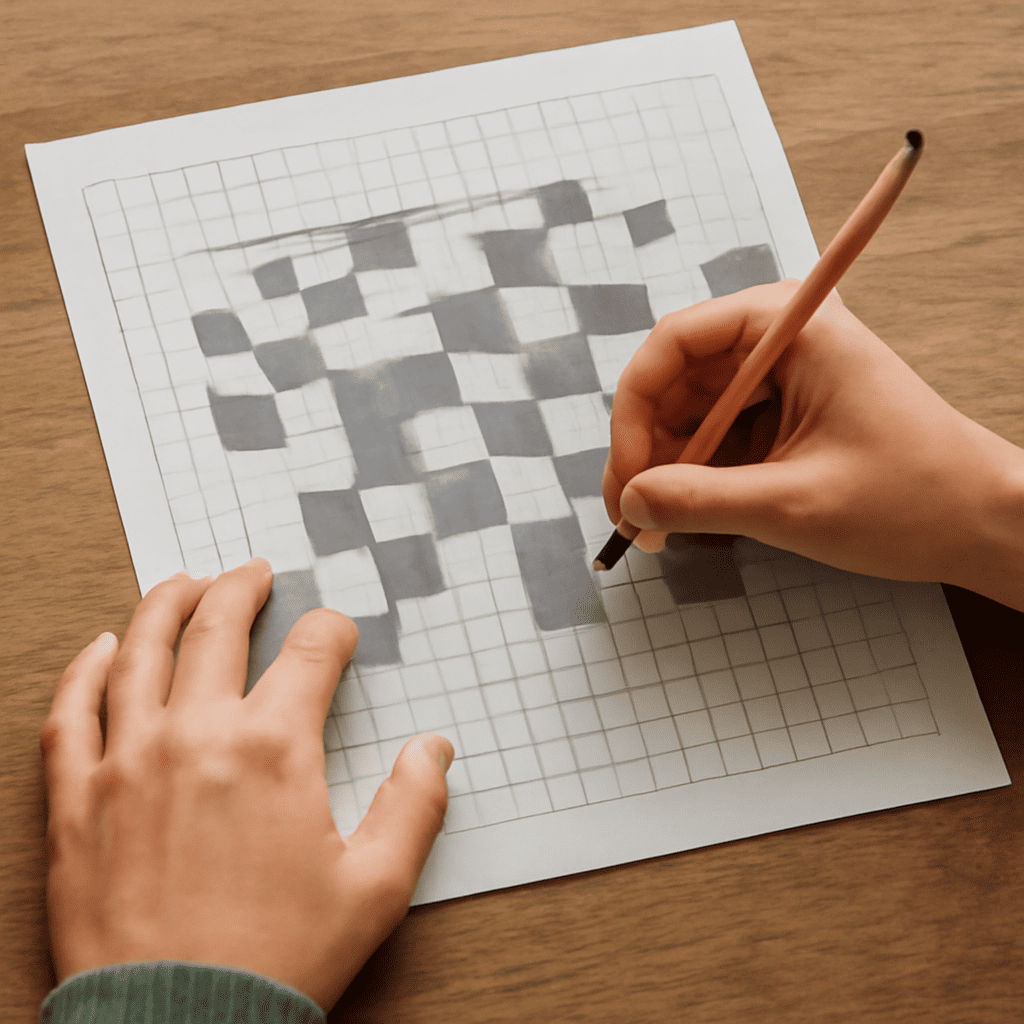
Crocheting is a beautiful craft that allows you to create intricate and personalized designs. Whether you’re a novice or an experienced crocheter, understanding how to create and use crochet patterns can elevate your projects. This article delves into the world of crochet pattern makers, crochet charts, and crochet graph makers, offering insights and tips to master the art of crochet pattern making.
Understanding Crochet Pattern Makers
Crochet pattern makers are tools or software that help you design your own crochet patterns. They allow you to visualize your projects before you start crocheting, ensuring accuracy and creativity. These tools can be digital or manual, each offering unique advantages.
Digital crochet pattern makers, such as Stitchworks and Crochet Charts, provide an intuitive interface where you can drag and drop symbols, adjust colors, and even simulate yarn types. Manual pattern makers, on the other hand, involve graph paper and colored pencils, offering a tactile approach that some find more satisfying.
The choice between digital and manual tools often boils down to personal preference. Digital tools offer convenience and speed, while manual methods provide a hands-on experience that some creators find essential for their creative process.
How to Use a Crochet Chart Maker
A crochet chart maker is a specialized tool for creating visual representations of crochet patterns. These charts are invaluable for complex designs, allowing you to see the pattern layout clearly. Here’s how you can effectively use a crochet chart maker:
- Select your tool: Choose a digital tool like Crochet Charts or a simple graph paper setup for manual designing.
- Define the project scale: Determine the size of your project and the number of stitches and rows required.
- Choose symbols: Select appropriate symbols that represent different stitches. Most digital chart makers come with a library of symbols for ease of use.
- Map out the design: Start placing symbols on your chart to represent stitches, ensuring your design maintains symmetry and flows well.
- Review and adjust: Check your pattern for any errors or areas that might need adjustment. Digital tools often allow you to make changes easily, which is a significant advantage.
Using a crochet chart maker simplifies the process of translating your creative ideas into a workable plan, ensuring your final product matches your vision.
Creating a Crochet Graph: Tips and Tricks
Crochet graphs are used primarily for projects involving color changes, such as tapestry crochet or intarsia. Here are some tips and tricks for creating an effective crochet graph:
- Start with a clear image: If you’re converting an image into a crochet graph, ensure it is clear and has good contrast.
- Simplify colors: Reduce the number of colors to make the project more manageable while maintaining the essence of the design.
- Use graph paper or digital software: Tools like Stitch Fiddle allow you to upload an image and convert it into a graph with customizable grids and color palettes.
- Plan stitch types: Decide which stitch types will best suit your design, as different stitches affect the final texture and appearance.
- Test a swatch: Before committing to the full project, create a small swatch to test your graph and make any necessary adjustments.
With these tips, you can create stunning crochet graphs that bring your artistic visions to life.
Exploring Different Crochet Chart Styles
Crochet charts come in various styles, each suited to different project types. Understanding these styles helps you choose the right chart for your project:
- Symbol charts: These use universal symbols to represent stitches and are excellent for visual learners or complex patterns.
- Color-coded charts: Particularly useful for colorwork, these charts use different colors to indicate yarn changes, making them ideal for patterns like corner-to-corner crochet.
- Written charts: Often accompany symbol or color-coded charts, providing detailed instructions alongside visual aids.
By familiarizing yourself with these chart styles, you can enhance your crochet pattern-making skills and tackle a wider range of projects with confidence.