
Transform Your Space: Exploring Room Aesthetics and Themes
Explore various room aesthetics and themes to transform your living space. Discover ideas, styles, and tips to create the perfect ambiance in your home.
Explore various room aesthetics and themes to transform your living space. Discover ideas, styles, and tips to create the perfect ambiance in your home.

Delve into the history, architectural style, and cultural significance of St Basil’s Cathedral, a masterpiece of Russian architecture in Moscow.
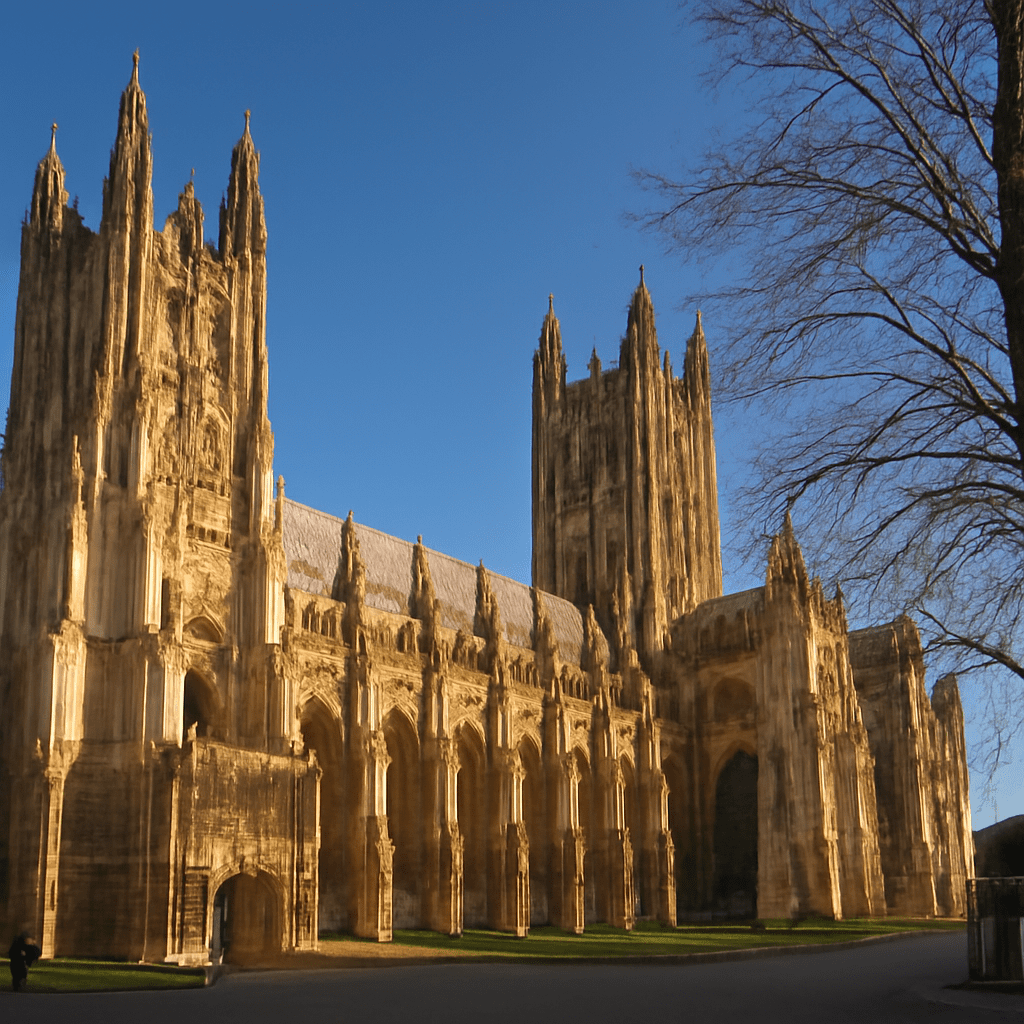
Gothic style architecture has captivated the imagination for centuries, characterized by its intricate designs and striking verticality. From soaring gothic towers to the serene interiors of gothic style churches, this architectural genre stands as a testament to human creativity and spiritual expression. Whether you’re an architecture enthusiast or a traveler seeking the spiritual ambiance of gothic churches, exploring these masterpieces offers a profound insight into a bygone era.
Gothic style architecture emerged in the 12th century in France, marking a departure from the Romanesque style that preceded it. Its inception is attributed to the need for larger, brighter church interiors, which were achieved through innovative engineering techniques. The defining elements—such as pointed arches, ribbed vaults, and flying buttresses—allowed for taller structures and larger windows.
The architectural style spread quickly across Europe, becoming prevalent in ecclesiastical buildings. Its reach extended beyond religious structures, influencing civic buildings and castles. Gothic architecture was not only a technical achievement but also carried deep religious and cultural significance, symbolizing the divine and transcendent.
Gothic style churches are renowned for their distinctive features that contribute to their grandeur. One of the most iconic elements is the pointed arch, which allows for greater height and stability. Ribbed vaults, another key feature, support the roof and further enable height.
The incorporation of large stained glass windows is perhaps one of the most admired aspects, filling interiors with vibrant light and depicting biblical scenes and saints. Flying buttresses are essential for supporting the weight of the walls while permitting enough space for expansive windows. These elements collectively create a sense of verticality and light, emphasizing the spiritual aspirations of the structures.
Gothic towers are among the most impressive features of gothic style architecture, serving as beacons of faith and architectural prowess. Notre-Dame Cathedral in Paris is a quintessential example, with its iconic towers reaching towards the heavens. These towers are adorned with intricate stone carvings and gargoyles that serve both decorative and structural purposes.
The Cologne Cathedral in Germany boasts one of the tallest gothic towers in the world, reflecting the ambition and skill of its medieval builders. Meanwhile, the Salisbury Cathedral in England is distinguished by its spire, the tallest in the country, illustrating the vertical emphasis of the style.
Each tower carries a unique story and architectural significance, contributing to the rich tapestry of gothic architecture and offering visitors a glimpse into the past.
Exploring gothic style churches offers an unparalleled experience of history and beauty. The Chartres Cathedral in France is celebrated for its stunning stained glass windows and labyrinth, a symbol of pilgrimage and contemplation.
The Milan Cathedral in Italy presents a magnificent example of late gothic architecture, with its elaborate façade and pinnacles creating a breathtaking silhouette. Similarly, the Westminster Abbey in London is a masterwork of gothic design, renowned for its role in royal ceremonies and its architectural splendor.
St. Vitus Cathedral in Prague stands as a testament to gothic artistry, with its elaborate rose windows and towering spires. Each of these churches provides a unique insight into the craftsmanship and spiritual aspirations that define gothic style architecture, inviting visitors to marvel at their grandeur and historical significance.

Discover innovative guest room ideas and decor tips, including solutions for small spaces, to create a welcoming and stylish retreat for your visitors.

Discover inspiring ideas and tips on outdoor wall decor to transform your exterior spaces with stunning wall art that reflects your style.

Crocheting a dinosaur can be a fun and rewarding project for both beginners and experienced crafters. Whether you’re a fan of dinosaurs or looking to create a unique gift, this step-by-step guide will walk you through the process of creating your very own dinosaur crochet pattern. We’ll cover the materials you’ll need, the detailed steps to follow, and some insider tips for creating the perfect dinosaur amigurumi. Let’s get started!
Before you begin your dinosaur crochet project, make sure you have all the necessary materials on hand. Here’s a list of items you’ll need:
Follow these steps to craft your dinosaur crochet:
Here are some tips to ensure your dinosaur amigurumi turns out beautifully:
Even seasoned crafters can make mistakes. Here’s what to watch out for:
With these tips and steps, you’ll be able to create a charming dinosaur amigurumi that’s sure to delight and impress. Happy crocheting!

Arches in Romanesque churches offer the first clue. Follow stone, vaults and light through cathedral interiors and discover what their details can reveal.

Dive into innovative lettering ideas and styles of letters to elevate your graphic design projects. Discover tips and techniques for crafting stunning visual art.

The Arts and Crafts Movement, originating in the late 19th century, was a reaction against the industrial revolution’s mass production and a return to handcraftsmanship. This pivotal era is marked by a celebration of artisanship and a commitment to the integrity of materials and design. Spanning across art, architecture, and design, the movement sought to elevate the status of craft and create beautiful, functional art. Understanding its origins, key figures, impact, and lasting legacy provides insight into its profound influence on today’s creative industries.
The Arts and Crafts Movement emerged in Britain during the late 1800s, primarily as a response to the dehumanizing effects of industrialization. The central philosophy revolved around the belief that the process of making objects should be both fulfilling for the creator and enriching for the user. This movement advocated for the use of natural materials and traditional techniques, emphasizing quality and craftsmanship. The arts and crafts era was deeply influenced by the writings of John Ruskin and the principles of William Morris, who championed the idea that art should be accessible to everyone and integrated into everyday life. Morris, a key figure in the movement, famously stated that one should “have nothing in your houses that you do not know to be useful, or believe to be beautiful,” encapsulating the essence of the movement.
The Arts and Crafts Movement was shaped by several influential figures. William Morris, poet, designer, and socialist, was a leading figure, whose work in textiles, furniture, and typography set the standard for quality craftsmanship. Another prominent figure was Charles Rennie Mackintosh, renowned for his architectural designs that seamlessly blended functionality with artistic flair. Influences also came from the Gothic Revival and the writings of John Ruskin, who criticized industrialization and advocated for a return to medieval craftsmanship. The movement was international, with notable contributions from Gustav Stickley in America, who promoted the Craftsman style, and Elbert Hubbard, founder of the Roycroft community, which emphasized handcrafted goods.
The Arts and Crafts Movement had a significant impact on design and architecture. It prioritized form following function, with a focus on simplicity and utility. This era saw the creation of homes and furniture that were both aesthetically pleasing and functional. Architects like Philip Webb incorporated Arts and Crafts principles into their designs, emphasizing the use of local materials and artisanal craftsmanship. In America, the movement influenced the development of the Prairie School and Craftsman styles of architecture, spearheaded by figures like Frank Lloyd Wright. These styles emphasized horizontal lines and open floor plans, creating harmonious spaces that were in tune with nature.
The legacy of the Arts and Crafts Movement continues to be felt today, as it laid the groundwork for modern design philosophies that prioritize sustainability and craftsmanship. The movement’s emphasis on quality and ethical production resonates in contemporary design practices that value local materials and artisanal skills. Modern craftspeople and designers draw inspiration from the arts and crafts era, incorporating its principles into their work to create beautiful, sustainable products. As consumers increasingly seek authenticity and meaning in their purchases, the ideals of the Arts and Crafts Movement provide a timeless blueprint for creating art that enhances everyday life.

Learn how to crochet a chevron pattern blanket, ideal for a cozy home decor piece or a charming baby gift. Follow our step-by-step guide to create your own design.