What Is a Baby Pack and Play? Uses, Benefits, and Tips
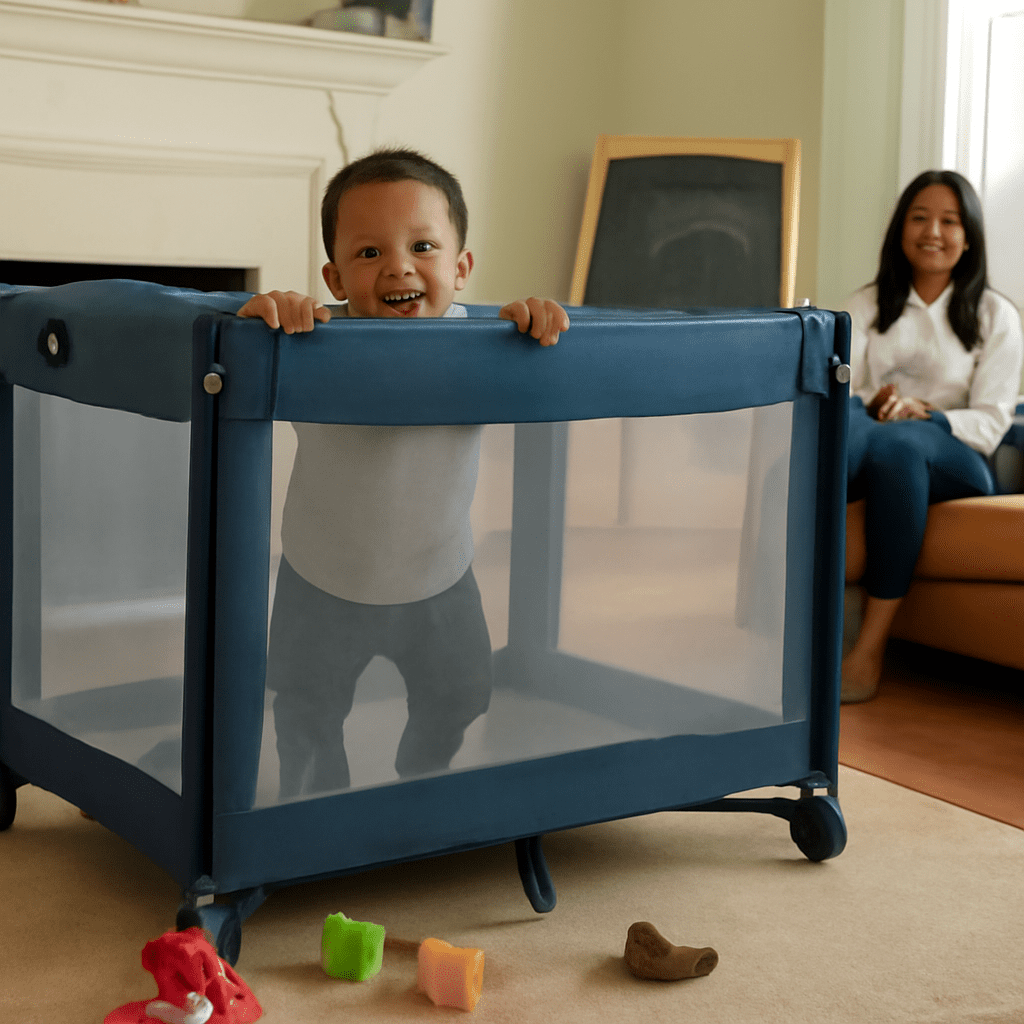
A baby pack and play is a portable, multi-functional piece of baby gear designed to create a safe, enclosed space where infants and toddlers can sleep, play, or rest. Sometimes called a playard or playpen, a baby pack and play typically features a foldable frame, mesh sides for visibility and airflow, and a padded or fabric floor. Most models are lightweight, easy to assemble, and can be packed down for travel or storage, making them a practical choice for parents at home or on the go. Understanding exactly what is a pack and play and how it fits into daily life can help parents choose the right option for their child’s needs.
Defining a Baby Pack and Play: What It Is and How It Works
A baby pack and play is a modern update to the traditional playpen. The essential design consists of a rectangular or square frame made from lightweight metal or durable plastic, with mesh or fabric sides to keep the baby safely inside while allowing caregivers to see in from any angle. The base is usually padded enough for comfort, but some models include an additional mattress or removable bassinet insert for newborns.
Pack and plays are designed for quick setup and take-down, often using a simple central locking mechanism. When not in use, the unit can be collapsed flat and stored in a carrying bag. Many parents appreciate this portability for visiting relatives, going on vacations, or moving the play area to different rooms in the house. Some models offer built-in wheels, making repositioning even easier.
Modern pack and plays may include added features such as changing tables, storage pockets, mobiles, or built-in music and vibration units. These extras can extend the usefulness of the product beyond just a play space, letting it function as a compact, all-in-one nursery center for the early years of a child’s life.
Most manufacturers recommend using a pack and play for children from birth until about 2-3 years old or until they attempt to climb out. Weight and height limits vary, but the majority accommodate infants and toddlers up to 30 pounds or 35 inches tall. Always check individual product guidelines to ensure safe use for your child’s stage.
Common Uses for a Baby Pack and Play
The versatility of a baby pack and play is one of its main selling points. Parents use pack and plays in several everyday scenarios, both at home and while traveling. Here are the most common ways families integrate a pack and play into their routines:
- Safe Play Space: When you need to keep your baby or toddler contained but comfortable, a pack and play creates a supervised play area with toys, books, or soft blankets.
- Portable Crib: Many families use the pack and play as a secondary crib, especially when staying overnight at a grandparent’s house, a hotel, or a vacation rental. Newborn-friendly models with bassinet inserts are particularly helpful for the first few months.
- Nap Area: If your baby naps in different rooms or you need a safe spot for daytime rest while working or doing chores, a pack and play can double as a moveable nap station.
- Changing Station: Some pack and plays come with clip-on or integrated changing tables, making diaper changes convenient in any room or while away from home.
- Outdoor Play: For families who spend time in the backyard or park, a pack and play keeps baby safely off the ground and away from pets or hazards.
Because of their flexibility, pack and plays are a staple registry item for new parents, often serving several roles during a child’s early development.
Key Benefits of Using a Pack and Play
Choosing a pack and play offers a range of practical advantages for caregivers and children alike. Some of the most significant benefits include:
- Portability: Unlike cribs or playpens that stay in one spot, a baby pack and play can be quickly folded, packed, and moved from room to room or taken on trips with minimal effort.
- Multi-Purpose Functionality: With the ability to serve as a sleep space, play area, and changing station, one product can cover multiple baby care needs.
- Enhanced Safety: Mesh sides provide visibility and airflow while keeping babies securely inside. Higher-end models may meet stricter safety certifications or offer additional stability features.
- Space-Saving Design: For apartments or shared spaces, a pack and play provides an enclosed area for your child without taking up as much room as a traditional crib or nursery set.
- Cost-Effective: Since a pack and play replaces several standalone items, it can be more affordable than buying separate cribs, travel beds, and playpens.
Parents also appreciate the peace of mind that comes with knowing their child has a safe, familiar environment even when routines or locations change.
What to Look For When Choosing a Pack and Play
The market for baby pack and play models is broad, with brands like Graco, Chicco, Baby Trend, and 4moms leading the way. To choose the right one, consider the following factors:
- Ease of Assembly: Look for a model with a simple locking mechanism and clear instructions. Some pack and plays can be set up in under a minute, which is ideal for travel or busy households.
- Weight and Portability: If you plan to travel often or move the pack and play between rooms, select a lightweight model with a sturdy carrying bag and, if possible, built-in wheels.
- Included Features: Decide whether you need extras like a bassinet insert, changing table, storage compartments, or electronic features (lights, music, vibration) based on your family’s routine and space.
- Mattress and Padding: Check that the sleeping surface is firm, flat, and fits snugly without gaps. Some brands sell upgraded mattresses or sheets specifically designed for their pack and plays.
- Size and Weight Limits: Compare the manufacturer’s recommendations with your child’s age, weight, and height to ensure the pack and play will be safe and usable for as long as needed.
- Safety Certifications: Look for models that meet current safety standards, such as those set by the Juvenile Products Manufacturers Association (JPMA) or ASTM International.
Reading product reviews and asking for recommendations from other parents can also help identify a model that fits your child’s needs and your lifestyle.
Safety Tips for Using a Pack and Play
Proper use of a pack and play is crucial to keeping your baby safe. Always follow the manufacturer’s instructions for assembly and use. Here are essential safety practices:
- Never add extra mattresses or soft bedding that are not specifically made for your pack and play, as these can increase the risk of suffocation or entrapment.
- Keep the pack and play free of pillows, stuffed animals, and loose blankets, especially for infants under one year old.
- Regularly inspect the frame, mesh sides, and mattress for wear, tears, or loose hardware, and discontinue use if you find any damage.
- Do not use the pack and play once your child can climb out, or if they exceed the recommended weight or height limit.
- Always ensure all sides are fully locked before placing your child inside the pack and play.
- Place the pack and play on a flat, stable surface away from windows, cords, or objects your child could reach and pull into the space.
Safe, consistent habits help ensure your baby pack and play remains a reliable, secure spot for your baby to rest and play throughout their early years.