Modern Cabin: Inspiring Approaches to Contemporary Cabin Design
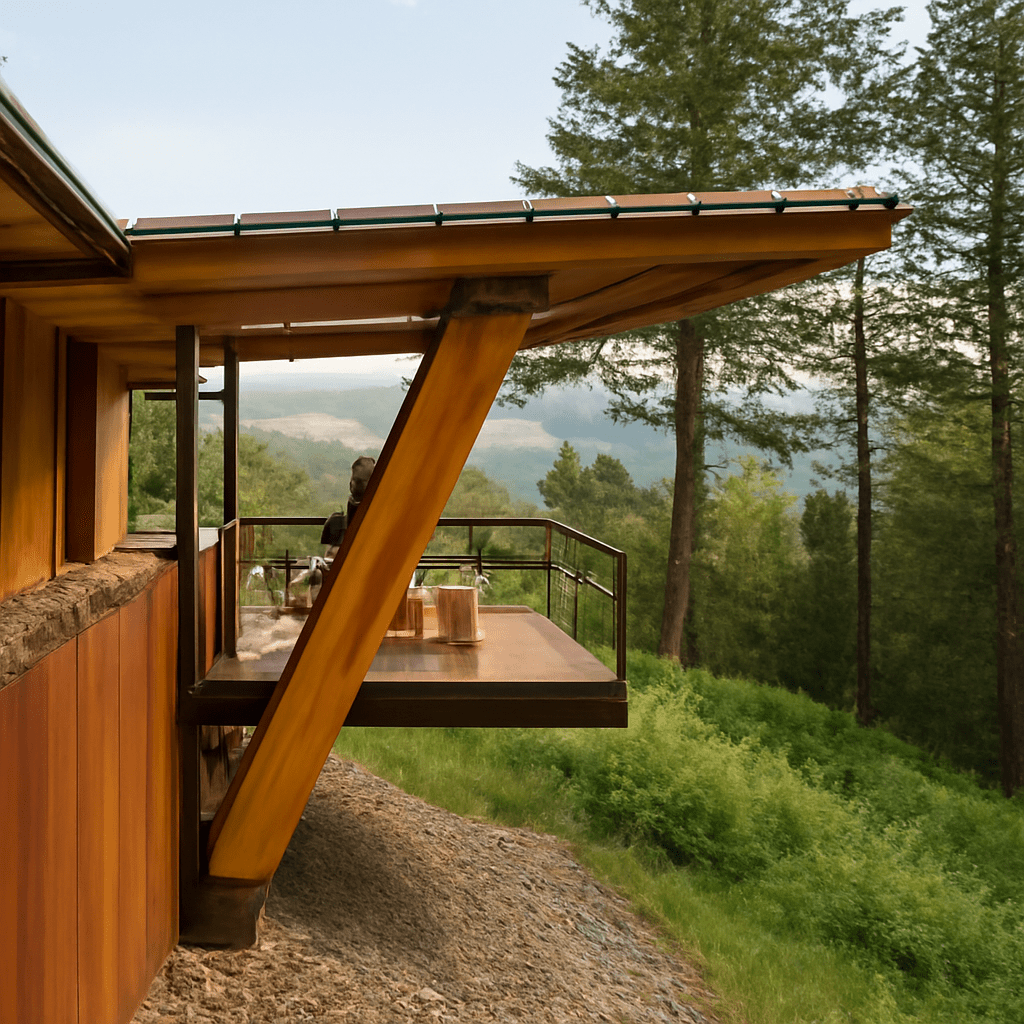
Modern cabins have become a compelling choice for those seeking a blend of nature, comfort, and cutting-edge style. Whether you’re drawn to a serene weekend retreat or envision a primary residence nestled in the woods, a modern cabin offers a refreshing take on traditional rustic living. By reimagining classic forms with innovative layouts, sustainable materials, and contemporary aesthetics, these cabins offer a unique escape that’s as functional as it is beautiful. In this guide, we’ll explore what sets a modern cabin apart, the core principles behind contemporary cabin design, today’s most popular materials and styles, and real-world examples that may inspire your next project.
What Defines a Modern Cabin?
A modern cabin is defined by its deliberate fusion of minimalism, integration with the environment, and a distinct departure from the ornate features of traditional log cabins. At its core, modern cabin design centers on clean lines, open floor plans, and a strong visual and physical connection to the outdoors. Unlike their rustic predecessors, modern cabins minimize decorative detailing and instead emphasize function, space, and natural light.
One of the hallmarks of a modern cabin is the use of large, strategically placed windows that frame views and bring the outside in. These cabins often sit lightly on the land, employing foundations and layouts designed to minimize environmental impact. The intention is less about re-creating historical forms and more about responding thoughtfully to the site—both visually and ecologically.
Modern cabins also prioritize efficiency and adaptability. Flexible spaces enable year-round use, while thoughtful insulation and energy-efficient systems help maintain comfort in all seasons. The overall feel is airy and uncluttered, with interiors shaped by a restrained yet inviting palette of materials.
In summary, a modern cabin distinguishes itself by its simplicity, environmental sensitivity, and seamless integration of indoor and outdoor living. These qualities make them as appealing for weekend escapes as they are for full-time living.
Key Elements of Contemporary Cabin Design
Contemporary cabin design is driven by a set of key elements that deliver both style and practicality. The first is a connection to nature. Modern cabins are oriented and designed to maximize natural views, daylight, and passive solar gain. Expansive windows, sliding glass doors, and seamless transitions from interior to exterior spaces are all common features.
Spatial efficiency is another crucial element. Modern cabins tend to have open-concept layouts that eliminate unnecessary partitions and use every square foot with intention. Multi-functional areas—such as combined living, dining, and kitchen spaces—are typical, supporting both social gatherings and quiet reflection.
Sustainability plays a significant role in contemporary cabin design. Many modern cabins incorporate eco-friendly materials and building practices, such as reclaimed wood, advanced insulation, and green roofing systems. Renewable energy sources like solar panels or geothermal heat pumps can further reduce environmental impact.
Finally, the aesthetic of a modern cabin is often defined by a minimalist approach to furnishing and decoration. Neutral palettes, natural finishes, and simple forms dominate, allowing the landscape itself to become the star. The result is a living environment where comfort, style, and serenity coexist.
Popular Styles and Materials for Modern Cabins
The modern cabin encompasses a wide range of architectural styles and material palettes, each with its own unique appeal. Among the most popular are Scandinavian-inspired cabins, which feature pale woods, whitewashed walls, and an emphasis on warmth and simplicity. These designs often highlight craftsmanship and functionality, with built-in storage and furniture that complements the cabin’s architecture.
Mid-century modern cabins are another sought-after style, characterized by flat or gently sloped roofs, open beams, and floor-to-ceiling glass. This style places a premium on blurring the boundaries between inside and outside, often employing decks, patios, or terraces that extend the usable living space.
In terms of materials, wood remains a staple, but it’s now often paired with steel, concrete, or glass for contrast and durability. Cedar, pine, and Douglas fir are commonly used for their visual warmth and resilience to weather. Metal roofing and cladding can provide a sleek, industrial edge, while expansive panes of glass create uninterrupted sight lines to the outdoors.
Other materials gaining ground in cabin design include charred wood (shou sugi ban), which offers both fire resistance and striking aesthetics; corrugated metal for rustic-modern blends; and eco-friendly composites that balance sustainability with performance. The thoughtful mixing of these materials results in cabins that are as robust as they are refined.
Examples of Modern Cabins Around the World
Modern cabins can be found in diverse settings, from dense forests to rugged coastlines. For example, the Delta Shelter in Washington State, designed by Olson Kundig, is a steel-clad retreat perched above a floodplain and features walls that can be opened or closed for light, ventilation, and protection. Its simple, geometric form exemplifies the minimalist ethos of modern cabin design.
In Norway, the Cabin Vindheim by Vardehaugen architects uses sharp angles and natural wood to blend into its snowy landscape, while floor-to-ceiling windows provide uninterrupted mountain views. This cabin demonstrates how Scandinavian design principles—simplicity, light, and connection to nature—can be masterfully applied in modern contexts.
Australia offers the Pole House along the Great Ocean Road, an elevated modern cabin with dramatic cantilevers and panoramic ocean views. Constructed primarily from glass and steel, the structure seems to float above the landscape, highlighting the possibilities of innovative engineering in contemporary cabin design.
Closer to urban environments, projects like the Mirrorcube in Sweden’s Treehotel reimagine the cabin as a suspended, glass-clad cube that reflects the surrounding forest, minimizing visual impact while maximizing the experience of solitude and immersion in nature. These global examples underscore the versatility and inventiveness at the heart of modern cabin architecture.