Wall Paneling Ideas: Stylish Wall Covering Options for Every Room
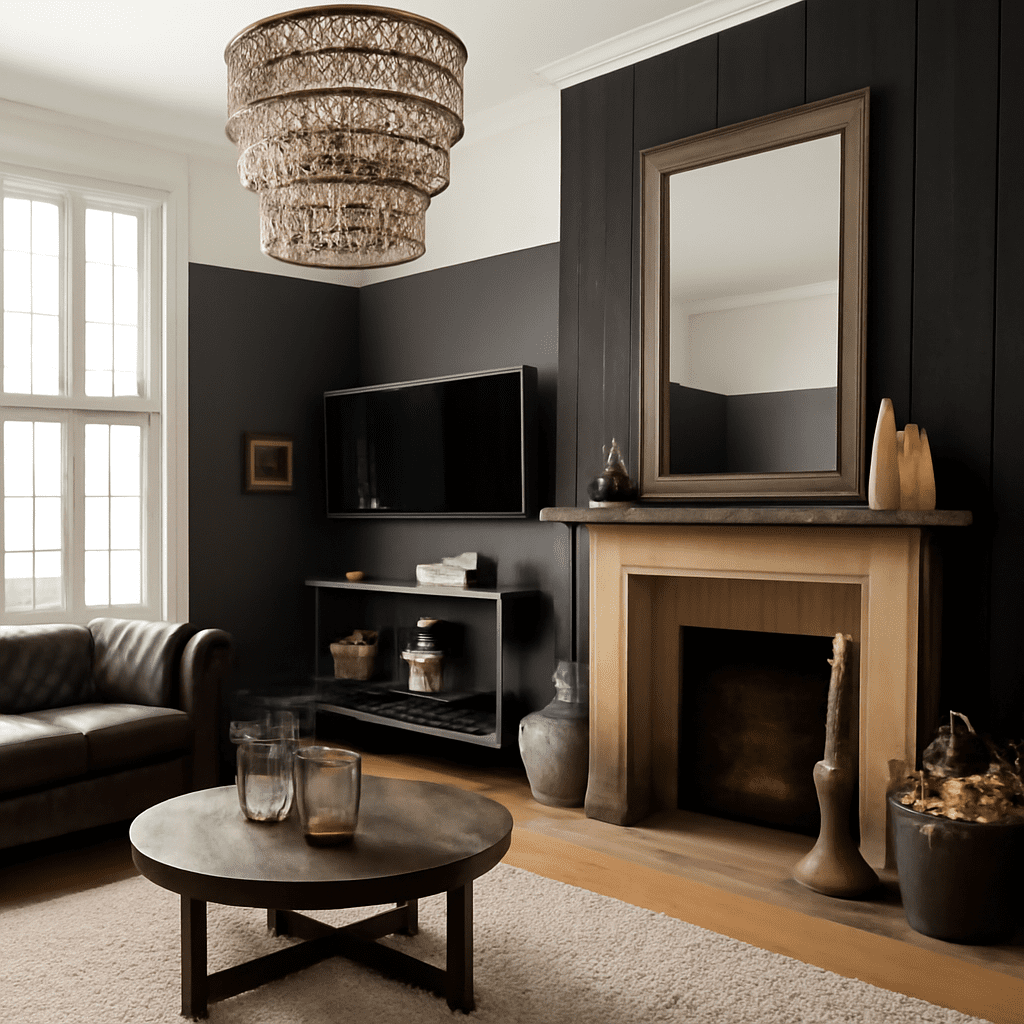
Wall paneling ideas are transforming modern interiors, offering style, texture, and personality for every room. Whether you want to create a cozy atmosphere, add architectural detail, or simply refresh your space, today’s wall covering options deliver both aesthetic appeal and practical solutions. From classic designs to bold contemporary statements, exploring the range of paneling choices can help you achieve a look that feels truly your own. Below, discover the standout benefits, trending styles, material comparisons, and expert advice on choosing and installing wall panels at home.
Why Choose Wall Paneling for Your Interiors?
Wall paneling isn’t just a decorative flourish—it’s a functional upgrade for any room. Panels can hide uneven surfaces, protect walls from wear and tear, and improve insulation or soundproofing, especially with materials like MDF or acoustic felt panels. Unlike paint or wallpaper, panels add visual depth and tactile interest, instantly elevating otherwise plain walls. For older homes, wall paneling is a clever way to cover imperfections and add a sense of architectural history, while in modern spaces, bold patterns and materials can make a dramatic statement.
One primary reason homeowners are drawn to wall paneling ideas is the versatility they offer. You can use them to highlight a single feature wall, wrap an entire room for a cocooning effect, or add definition to open-plan spaces. Whether you prefer a timeless or trend-driven look, the right wall covering options will tie your interiors together and boost your home’s value. For renters or DIY enthusiasts, many paneling systems are now designed for easy installation and removal, making them accessible for projects of any scale.
Wall panels also allow creative expression. Unlike paint, which is flat, or wallpaper, which is limited by pattern repeat, paneling can be installed vertically, horizontally, or even diagonally. You can play with color, texture, and scale, blending different finishes for a unique custom look. For homes needing extra durability—think mudrooms, hallways, or kids’ rooms—panels provide a hard-wearing surface that’s easier to clean and maintain than most wall finishes.
Finally, wall paneling can also improve energy efficiency and comfort. Insulated panels reduce drafts, while fabric-wrapped or acoustic versions absorb noise, making them ideal for bedrooms, offices, or media rooms. The combination of function and style explains why wall paneling remains a favorite among designers and homeowners alike.
Popular Wall Paneling Ideas for Every Style
There’s a wall paneling style to match every aesthetic, from rustic to ultra-modern. Here are some of the most popular wall paneling ideas shaping interior trends today:
- Shiplap and Tongue & Groove: With their clean lines and subtle texture, these horizontal or vertical boards create a farmhouse or coastal vibe. Painted in crisp white or soft pastels, they’re perfect for bedrooms, bathrooms, or entryways.
- Wainscoting: A classic choice, wainscoting typically covers the lower third of a wall. Variations include beadboard, raised panel, and flat panel. It adds elegance to dining rooms, hallways, and living spaces while protecting high-traffic areas from scuffs.
- Board and Batten: Vertical battens define this style, offering a structured, architectural look. Board and batten works well in both traditional and modern settings and can be customized with wide or narrow battens for different effects.
- 3D MDF Panels: For a bold, contemporary statement, opt for three-dimensional MDF panels with geometric or wave patterns. Painted in dramatic hues or left in natural wood tones, they create a focal point in living rooms, entryways, or home offices.
- Slat Walls: Vertical or horizontal wood slats add mid-century flair and can double as room dividers. Natural, stained, or painted finishes allow you to customize the vibe from Scandinavian minimalism to rich, moody luxury.
- Fabric-Wrapped or Upholstered Panels: Ideal for headboards or media rooms, fabric panels introduce softness, color, and acoustic benefits. Choose from velvet, linen, or even leather for a plush, inviting effect.
- Wall Murals and Printed Panels: For a truly custom look, digital-printed panels or large-scale murals can transform a wall into a work of art. These options are great for feature walls in living rooms, nurseries, or creative studios.
Mixing and matching paneling styles is also on-trend. For example, pairing shiplap with bold color or combining different patterns within the same room can result in a curated, layered look. Don’t be afraid to experiment with scale, color, and material to find the right fit for your space.
Comparing Wall Covering Options: Materials and Benefits
The best wall covering options depend on your room’s needs, your style preferences, and your budget. Here’s a breakdown of the most common materials and their unique advantages:
- MDF (Medium-Density Fiberboard): Affordable, versatile, and easy to paint. Ideal for DIY projects, MDF panels are often used for wainscoting, shiplap, and 3D designs. However, they’re not suitable for high-moisture areas unless treated.
- Natural Wood: Brings warmth and character to any room. Oak, walnut, and pine are popular for slat walls, board-and-batten, and custom paneling. Wood can be stained, oiled, or painted, but requires occasional maintenance to prevent warping or damage.
- PVC and Plastic Panels: Moisture-resistant and lightweight, these panels are perfect for bathrooms, kitchens, and basements. They mimic wood or tile textures and are often the easiest to clean.
- Laminate and Veneer Panels: Offer a cost-effective way to achieve the look of real wood or stone without the upkeep. Laminates are scratch-resistant and available in a wide range of colors and patterns.
- Fabric and Acoustic Panels: Best for bedrooms, home theaters, and offices. These panels dampen noise and add softness, but they may need more frequent cleaning to keep dust and allergens at bay.
- Gypsum and Plaster Panels: Create intricate, decorative looks perfect for period homes or statement walls. Plaster panels can be painted or left raw for a textural, artistic finish.
When comparing wall covering options, consider moisture levels, exposure to wear, and the installation method. While some panels are DIY-friendly and simply click or glue into place, others require professional fitting. Cost varies by material and pattern complexity, with real wood and custom designs at the higher end, and MDF or PVC at the more budget-friendly side.
For eco-conscious choices, look for FSC-certified wood, recycled-content MDF, or low-VOC finishes. Many suppliers now offer sustainable options that don’t compromise on style or quality, making it easier to create interiors that are both beautiful and responsible.
Expert Tips for Selecting and Installing Wall Panels
To get the best results from your wall paneling ideas, start by measuring your space and determining the look you want to achieve. Sketch out the paneling pattern and decide whether it will be a full-wall application, a feature panel, or part of a room zoning strategy. Use painter’s tape to map out panels on your wall before buying materials, ensuring proportions feel right for the room’s size and ceiling height.
When choosing materials, factor in room conditions—select moisture-resistant panels for kitchens and bathrooms, sound-absorbing panels for offices, and durable options for high-traffic areas. Sample colors and finishes in your actual space to check how lighting affects their appearance. For intricate patterns or high-end finishes, consider hiring a professional installer to ensure seamless results.
For DIY installations, invest in quality tools like a level, stud finder, and adhesive rated for your panel type. Pre-paint or finish panels before installation for a more uniform look. Start paneling from the center or a visible corner for the most symmetrical result, and double-check measurements before cutting. Always leave an expansion gap for wood products to accommodate humidity changes.
Regular maintenance will keep your wall covering options looking their best. Wipe surfaces with a damp cloth as needed, and follow manufacturer guidelines for deeper cleaning or touch-ups. Inspect panels periodically for signs of moisture, warping, or separating seams—catching small issues early will extend the life and beauty of your new walls.