How Big Is a Fat Quarter of Fabric? Dimensions, Cut, and Variations
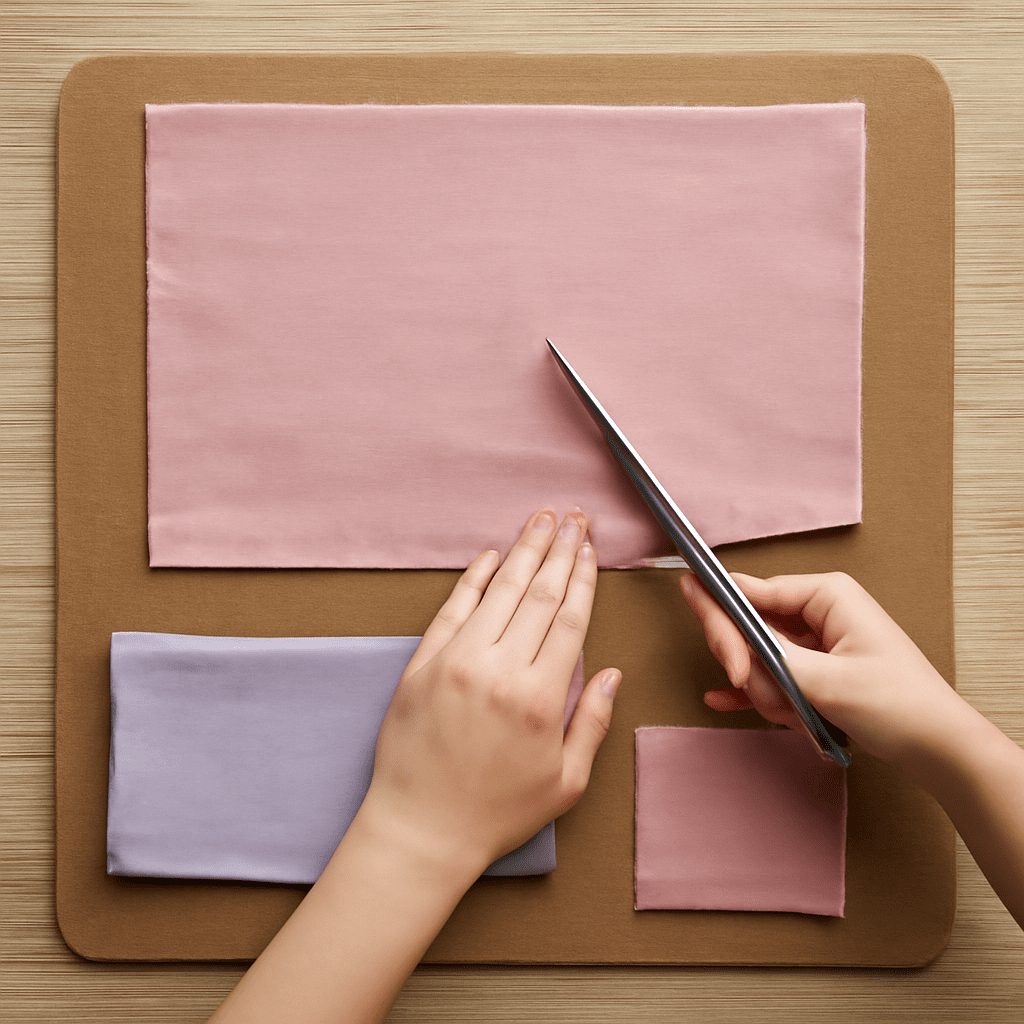
A fat quarter is usually about 18 by 22 inches in U.S. quilting cotton, but the usable size can shift a little depending on fabric width, selvage, and trimming. If you are asking how big is a fat quarter of fabric, that common size is the practical starting point for quilting and small sewing projects.
The key detail is shape. A fat quarter is not the same proportion as a standard quarter-yard cut, and that difference gives you a wider, more flexible piece for pattern layouts. If you need what size is a fat quarter for planning, use the seller’s measurements or measure the piece yourself before cutting.
The standard fat-quarter size
In the U.S. quilting market, a fat quarter is typically 18 inches by 22 inches. That comes from cutting a half yard of fabric into two equal sections, then trimming one section to create a wide rectangle instead of a long strip.
This is the most common answer to what are the dimensions of a fat quarter, but it is not universal. The exact usable size can vary slightly from shop to shop and brand to brand. A pre-cut may measure close to 18 x 22 inches before you remove any uneven edges, but the finished usable area may be a bit smaller.
When you plan a project, think in terms of usable area, not just the headline size. Selvage edges, factory trimming, and slight cutting differences can reduce the part you can safely use for pattern pieces.
How a fat quarter is cut
A standard yard of quilting cotton is usually about 36 inches long and around 42 to 44 inches wide. A quarter yard cut is made by slicing 12 inches along the length of the fabric, leaving a long rectangle that keeps the full fabric width.
A fat quarter is made differently. The fabric is first cut to a half yard, then that half yard is divided crosswise. In the common U.S. method, you start with 18 inches of length across the full width of the cloth, then cut that piece in half so each section is about 18 by 22 inches once selvages are removed or trimmed.
This is why the shape is called “fat.” Compared with a standard quarter-yard strip, it gives you more width and less length. For many quilting blocks, that wider shape is easier to work with because it fits larger template pieces and lets you rotate pattern shapes more efficiently.
For example, a quarter yard may be useful for long strips, bindings, or narrow components. A fat quarter is often better when you need squares, triangles, applique shapes, or multiple medium-size pieces from one cut.
Fat quarter versus a quarter yard
The easiest way to compare the two is by proportion:
- Quarter yard: about 9 inches by full fabric width, usually a long narrow rectangle.
- Fat quarter: about 18 inches by 22 inches, a shorter and wider rectangle.
So if you are comparing how big is a fat quarter with a quarter yard, the area is similar but the shape is different. That shape difference matters more than the raw square inches for sewing. A quarter yard gives you depth in one direction, while a fat quarter gives you more balanced coverage across both directions.
That is why quilters often prefer fat quarters for patchwork. You can cut more versatile pieces from a wider rectangle, especially when a pattern asks for larger squares or several different shapes from the same cut.
Still, a quarter yard may be the better choice if your project needs uninterrupted length. Think piping, ties, narrow borders, or any piece that runs longer than 18 inches.
Metric and fabric-width variations
Outside the U.S., fat quarters can be sized differently. In many metric markets, a fat quarter is often cut from half a meter or from a quarter of a meter, depending on local shop practice and fabric width. That means the dimensions may not match the common U.S. 18 by 22 inch piece exactly.
Metric fat quarters may be closer to:
- 50 cm by half the fabric width
- 25 cm by full fabric width for a standard quarter-meter cut
The actual usable shape depends on the fabric width as well. Quilting cotton is often sold around 112 cm to 114 cm wide in metric markets, which affects the final rectangle. If the fabric is narrower or wider than standard quilting cotton, the dimensions change with it.
That is why you should not assume one nominal size is universal. If you are buying from an overseas shop, a handmade seller, or a pre-cut bundle, check the listing for the actual measurements. If the dimensions matter for your pattern, measure the fabric after purchase and before cutting.
Plan pattern pieces from the usable area
When you plan from a fat quarter, work from the usable dimensions, not the printed label alone. The safest approach is to measure the piece, then subtract any selvage, crooked edges, or trim loss.
Use these planning rules:
- Measure both sides of the rectangle before cutting.
- Assume the usable area may be slightly smaller than the advertised size.
- Check whether the pattern needs one large piece or several smaller ones.
- Rotate templates to see whether the fat quarter’s width helps more than a quarter-yard strip would.
If a pattern calls for pieces around 10 to 12 inches wide, a fat quarter often works well. If the pattern needs a long continuous strip, a standard quarter yard may be easier.
For quilting, the fat quarter is especially useful when you want variety without buying full yardage. It gives enough surface area for test cuts, block units, and coordinated prints, while still being compact enough to store and sort with other pre-cuts.
In short, if you are asking how big is a fat quarter, the common U.S. answer is about 18 by 22 inches, but the best answer for any specific project is the measured, usable size of the cut you have in hand.