Understanding the Arts and Crafts Movement
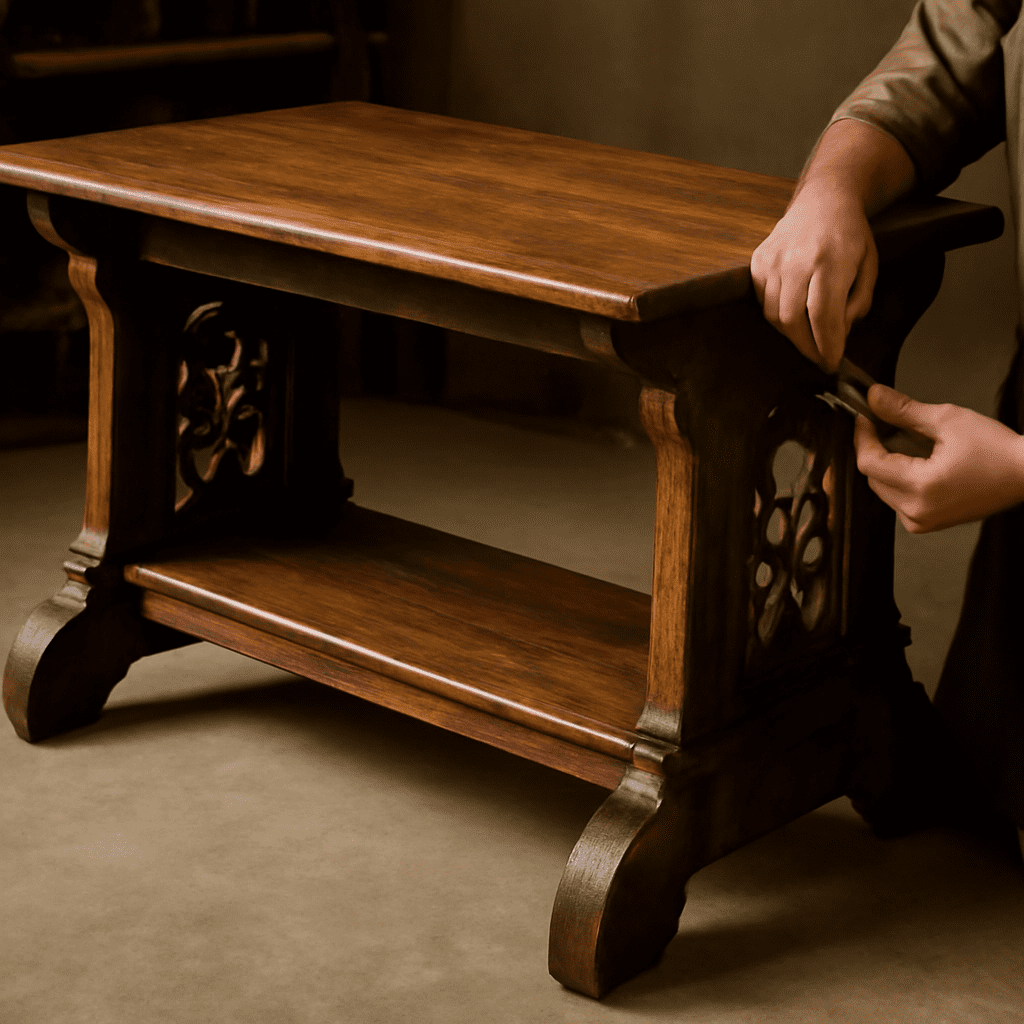
The Arts and Crafts Movement, originating in the late 19th century, was a reaction against the industrial revolution’s mass production and a return to handcraftsmanship. This pivotal era is marked by a celebration of artisanship and a commitment to the integrity of materials and design. Spanning across art, architecture, and design, the movement sought to elevate the status of craft and create beautiful, functional art. Understanding its origins, key figures, impact, and lasting legacy provides insight into its profound influence on today’s creative industries.
Origins and Philosophy of the Arts and Crafts Movement
The Arts and Crafts Movement emerged in Britain during the late 1800s, primarily as a response to the dehumanizing effects of industrialization. The central philosophy revolved around the belief that the process of making objects should be both fulfilling for the creator and enriching for the user. This movement advocated for the use of natural materials and traditional techniques, emphasizing quality and craftsmanship. The arts and crafts era was deeply influenced by the writings of John Ruskin and the principles of William Morris, who championed the idea that art should be accessible to everyone and integrated into everyday life. Morris, a key figure in the movement, famously stated that one should “have nothing in your houses that you do not know to be useful, or believe to be beautiful,” encapsulating the essence of the movement.
Key Figures and Influences
The Arts and Crafts Movement was shaped by several influential figures. William Morris, poet, designer, and socialist, was a leading figure, whose work in textiles, furniture, and typography set the standard for quality craftsmanship. Another prominent figure was Charles Rennie Mackintosh, renowned for his architectural designs that seamlessly blended functionality with artistic flair. Influences also came from the Gothic Revival and the writings of John Ruskin, who criticized industrialization and advocated for a return to medieval craftsmanship. The movement was international, with notable contributions from Gustav Stickley in America, who promoted the Craftsman style, and Elbert Hubbard, founder of the Roycroft community, which emphasized handcrafted goods.
Impact on Design and Architecture
The Arts and Crafts Movement had a significant impact on design and architecture. It prioritized form following function, with a focus on simplicity and utility. This era saw the creation of homes and furniture that were both aesthetically pleasing and functional. Architects like Philip Webb incorporated Arts and Crafts principles into their designs, emphasizing the use of local materials and artisanal craftsmanship. In America, the movement influenced the development of the Prairie School and Craftsman styles of architecture, spearheaded by figures like Frank Lloyd Wright. These styles emphasized horizontal lines and open floor plans, creating harmonious spaces that were in tune with nature.
Legacy and Modern Relevance
The legacy of the Arts and Crafts Movement continues to be felt today, as it laid the groundwork for modern design philosophies that prioritize sustainability and craftsmanship. The movement’s emphasis on quality and ethical production resonates in contemporary design practices that value local materials and artisanal skills. Modern craftspeople and designers draw inspiration from the arts and crafts era, incorporating its principles into their work to create beautiful, sustainable products. As consumers increasingly seek authenticity and meaning in their purchases, the ideals of the Arts and Crafts Movement provide a timeless blueprint for creating art that enhances everyday life.