Where Is the Tallest Building in the World?
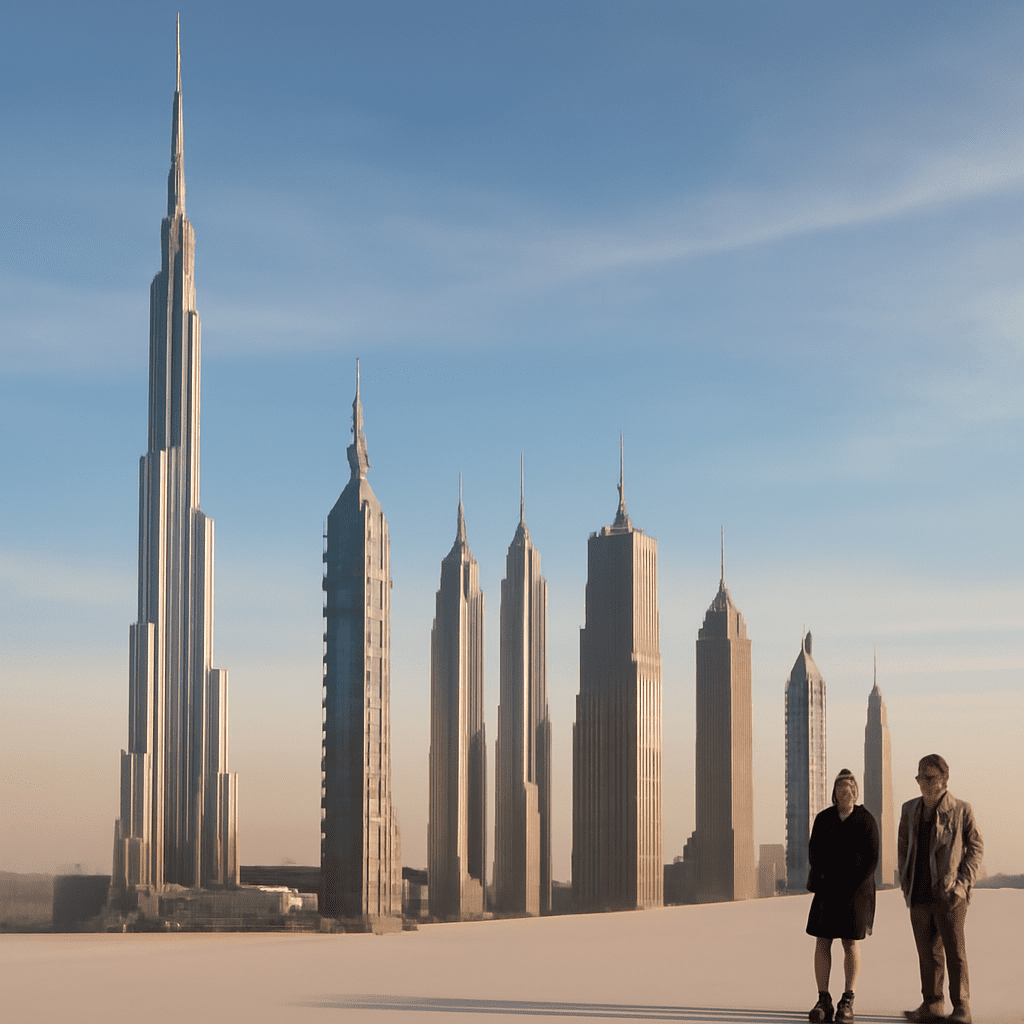
The tallest building in the world, an icon of modern engineering, stands in the heart of Dubai, UAE. Known as the Burj Khalifa, this architectural marvel epitomizes the possibilities of contemporary construction and design. But how tall is it exactly, and what other impressive towers compete on the global stage? Let’s delve into these questions and explore how such structures have reshaped architectural practices worldwide.
The Tallest Building in the World: Burj Khalifa
The Burj Khalifa is not just the tallest building in the world; it is a testament to human ambition and capability. Officially opened in January 2010, the Burj Khalifa towers over the Dubai skyline, reaching a staggering height of 828 meters (2,717 feet). This skyscraper dwarfs all others with its sheer verticality, claiming the title of the tallest tower and the biggest tower in the world in terms of height.
Height and Architectural Features
The Burj Khalifa’s height is a prominent feature that has captivated the imagination of many. At 828 meters, it has 163 floors above ground, with two additional floors underground. The unique Y-shaped tripartite floor geometry is designed to optimize residential and hotel space, reducing wind forces on the tower. The design, inspired by the Hymenocallis flower, also supports the building’s exceptional height by minimizing vibrations and sway.
Another fascinating aspect of the Burj Khalifa is its façade, which is clad in reflective glazing, aluminum, and textured stainless steel spandrel panels, designed to handle Dubai’s extreme temperatures. The building also incorporates architectural and technological innovations, such as high-speed elevators capable of traveling at 10 meters per second, and a sophisticated climate control system.
Other Notable Tall Towers Around the Globe
While the Burj Khalifa holds the top spot, several other skyscrapers vie for attention on the global stage. The Shanghai Tower in China stands as the world’s second tallest building at 632 meters (2,073 feet), featuring a distinct twisting design that reduces wind loads. Meanwhile, the Abraj Al Bait Clock Tower in Mecca, Saudi Arabia, ranks third at 601 meters (1,971 feet), and is known for having the largest clock face in the world.
In the United States, New York City’s One World Trade Center, the tallest building in the Western Hemisphere, reaches a symbolic height of 541 meters (1,776 feet) to commemorate the year of American independence. These towers, along with the Lotte World Tower in Seoul and the Ping An Finance Center in Shenzhen, showcase diverse architectural styles and functions, each contributing to the skyline of their respective cities.
The Impact of Tall Buildings on Architecture
The construction of skyscrapers like the Burj Khalifa and others has a profound impact on architecture and urban planning. These tall structures redefine city skylines, serve as hubs for business and tourism, and push the limits of engineering and design. They also raise questions about sustainability, as their construction and operation demand significant resources.
Architects and engineers continue to innovate, seeking materials and methods that make these towering buildings more efficient and environmentally friendly. Skyscrapers are now designed with integrated renewable energy systems, advanced insulation materials, and smart technologies to reduce their carbon footprint.
Overall, the tallest buildings in the world not only symbolize human achievements but also challenge the architectural community to create sustainable urban environments in the face of rapid urbanization and climate change.