Understanding Brutalist Architecture: A Comprehensive Guide
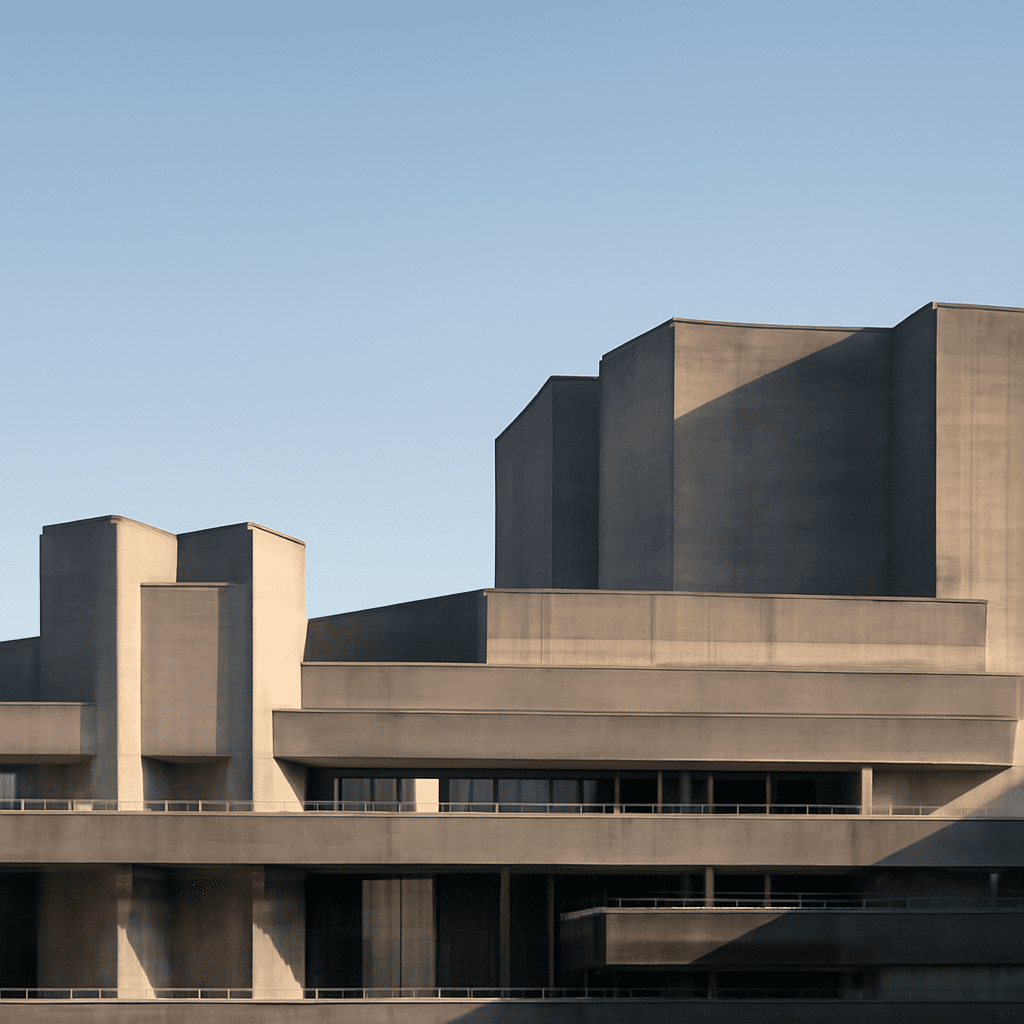
Brutalist architecture, often known simply as brutalism, is a unique architectural style that emerged in the mid-20th century. It is characterized by its bold, rugged aesthetic and use of raw concrete and other industrial materials. This style became popular for its unapologetic honesty and simplicity, making it a provocative element in the architectural landscape. Despite its polarizing reception, brutalist architecture has influenced modern design and remains a topic of interest for architects and enthusiasts alike.
What is Brutalist Architecture?
Brutalist architecture refers to a movement that flourished from the 1950s to the 1970s, primarily in Europe and the United States. The term “brutalism” derives from the French phrase béton brut, meaning raw concrete, which is the dominant material used in this style. Brutalist architecture is characterized by its massive, fortress-like buildings with repeated modular elements that emphasize functionality over form. This approach often results in austere and monolithic structures that stand out starkly in urban environments.
Key Characteristics of Brutalist Style
The brutalist style is distinguished by several key characteristics:
- Material: Predominantly uses concrete, though brick, glass, and steel are also common.
- Design: Features geometric, simplistic shapes that create a stark and bold visual impact.
- Functionality: Prioritizes practical design, often leading to utilitarian aesthetics.
- Scale: Buildings are typically large and imposing, with a focus on mass and density.
- Details: Often includes exposed structural elements and mechanical systems as part of the visual design.
A Brief History of Brutalism
Brutalism originated in the post-World War II era, a time marked by a need for rapid, cost-effective construction due to housing shortages. Architects like Le Corbusier and Alison and Peter Smithson were instrumental in the development of brutalist architecture. Le Corbusier’s Unité d’Habitation in Marseille is one of the earliest examples of brutalism, showcasing large-scale concrete construction and functional living spaces.
The style gained momentum through the 1960s and 1970s, particularly in public buildings such as universities, libraries, and government edifices. However, by the late 1970s, brutalism began to lose favor due to its perceived coldness and the maintenance challenges of concrete structures, leading to its decline in popularity.
Influence of Brutalism in Modern Design
Despite its controversial reception, brutalism has left a lasting impact on modern design. Its emphasis on materials, form, and functionality continues to inspire contemporary architects who seek to challenge aesthetic norms. Brutalism has been re-evaluated in recent years, with many appreciating its raw beauty and integrity.
Modern architects often incorporate brutalist principles into sustainable designs, using concrete as a durable, energy-efficient material. The style’s straightforward approach and robust structures have paved the way for new architectural explorations, influencing other design fields such as graphic design and art. Brutalism’s resurgence in popularity is evident in the rise of neo-brutalist structures, which blend traditional elements with modern sensibilities.