Spanish Colonial Architecture: Key Features, History, and Influence
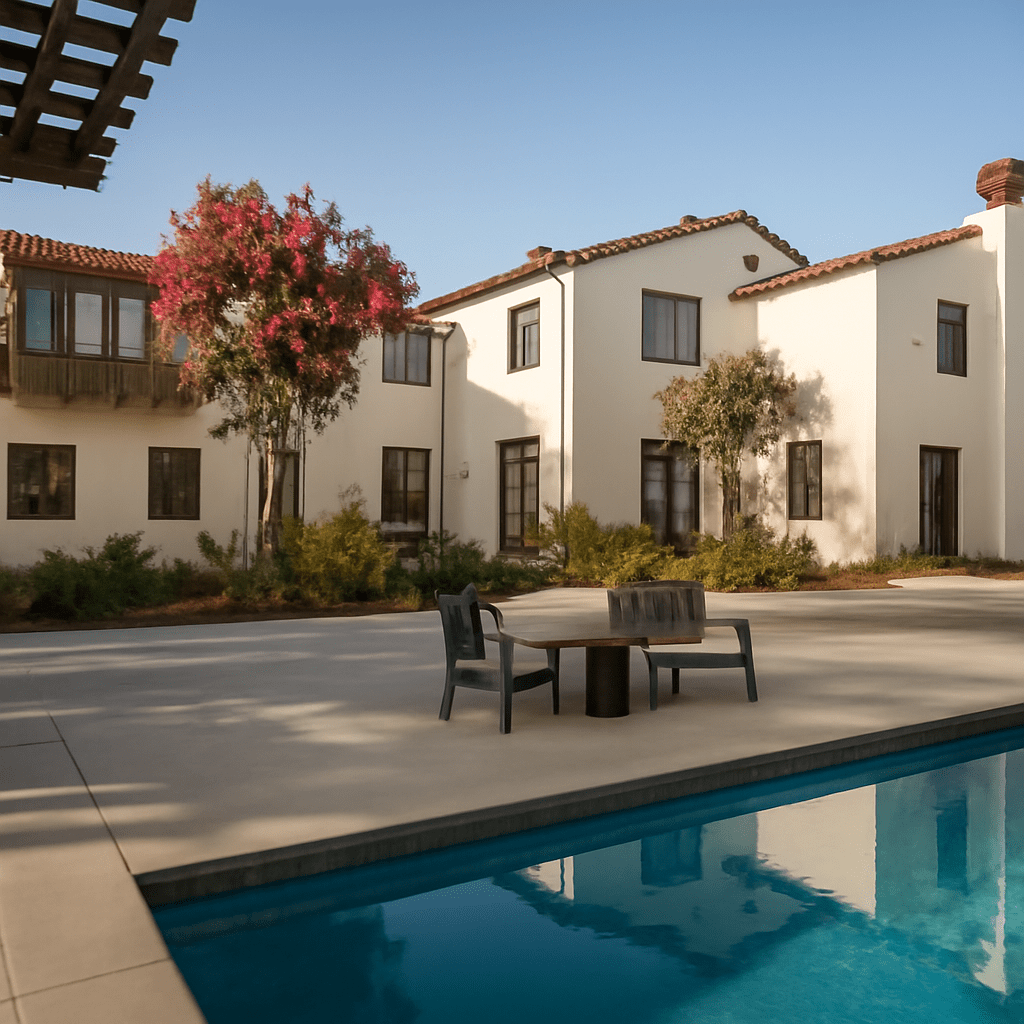
Spanish colonial architecture is one of the most recognizable and influential styles in the Americas, characterized by its distinctive blend of European and local building traditions. The style originated during the Spanish colonization of the New World and continues to shape modern Spanish style architecture, from iconic churches and missions to contemporary homes. Exploring the key features, historical context, and lasting impact of this architectural tradition reveals why it holds such enduring appeal.
What Is Spanish Colonial Architecture?
Spanish colonial architecture refers to the design and construction styles brought by Spanish colonists to the Americas between the 16th and early 19th centuries. This architectural tradition developed as Spanish settlers adapted their own building methods to the climates, materials, and cultures of the regions they colonized, particularly in Latin America, the Caribbean, and parts of the present-day United States.
At its core, Spanish colonial architecture is defined by an emphasis on simplicity, craftsmanship, and harmony with the environment. Buildings were often constructed around central courtyards, with thick walls, small windows, and expansive roofs that provided shelter from heat and rain. The style is most closely associated with churches and missions but also includes civic buildings, homes, and ranches.
Today, the influence of Spanish colonial architecture can be seen in many modern design movements, especially in areas formerly under Spanish rule. Its enduring aesthetic is celebrated for its warmth, elegance, and connection to both European roots and local traditions.
Historical Origins and Development
The history of Spanish colonial architecture begins in the late 1400s, when Spain embarked on overseas exploration and conquest. As Spanish conquistadors and settlers established colonies across the Americas, they brought with them architectural traditions from Spain, which itself was a blend of Mediterranean, Moorish, and Gothic influences.
The earliest examples appeared in the Caribbean and quickly spread to Mexico, Central America, South America, and the American Southwest. Spanish architects and missionaries faced new challenges: unfamiliar climates, local materials such as adobe and stone, and indigenous building practices. The result was a hybrid style—distinct from its Spanish origins—that responded to local needs while maintaining a clear European identity.
Throughout the colonial period, this architecture reflected the ambitions of the Spanish Empire. Grand cathedrals, imposing government buildings, and fortified missions were built to symbolize authority and convert indigenous populations. At the same time, simple residences and haciendas emerged, blending practicality with distinctive Spanish features. Over centuries, regional variations developed, producing unique interpretations from Peru and Mexico to California and Florida.
Defining Features of Spanish Colonial Architecture
Certain elements define Spanish colonial architecture, making it instantly recognizable across the globe. These features were shaped by climate, available materials, and social norms of the time, but their appeal remains strong in contemporary Spanish style architecture.
- Stucco Walls: White or light-colored stucco was frequently used to reflect sunlight and keep interiors cool. The thick masonry walls provided insulation and a sense of permanence.
- Clay Tile Roofs: Low-pitched red clay tile roofs are perhaps the most iconic element. These distinctive tiles are both practical and decorative, channeling rainwater while resisting the elements.
- Arched Doorways and Windows: Rounded arches, often framed with stone or wood, soften the building’s profile and add a classical touch. Small, recessed windows and wooden shutters were used to control light and heat.
- Courtyards and Arcades: Central courtyards, sometimes with fountains or gardens, served as the heart of the home or mission. Surrounding arcades provided shade and a transition between indoor and outdoor spaces.
- Wrought Iron Details: Decorative ironwork adorned gates, railings, balconies, and lanterns, adding artistry and security. These features remain popular in modern interpretations of the style.
- Wooden Beams and Doors: Exposed wooden ceiling beams (vigas) and heavy carved doors highlighted craftsmanship and created a sense of rustic elegance.
These elements combine to create an environment that is welcoming, functional, and visually striking—attributes that continue to inspire Spanish style architecture today.
Famous Examples of Spanish Colonial Buildings
Numerous historic sites showcase the beauty and variety of Spanish colonial architecture. These buildings have become cultural icons and are often preserved as UNESCO World Heritage sites or national monuments.
- Mission San Xavier del Bac (Arizona, USA): Known as the “White Dove of the Desert,” this 18th-century mission features intricate baroque decoration, white stucco walls, and a dramatic dome, epitomizing Spanish colonial religious architecture in the American Southwest.
- Castillo de San Marcos (St. Augustine, Florida): The oldest masonry fort in the continental US reflects the military aspect of the style, with coquina stone walls, bastions, and arched entryways.
- Catedral de Santa María la Menor (Santo Domingo, Dominican Republic): This is the oldest cathedral in the Americas, completed in the 16th century and showcasing a blend of Gothic, Renaissance, and Spanish colonial features.
- Casa de Montejo (Mérida, Mexico): Built in the 1540s, this mansion is a prime example of Spanish colonial domestic architecture, with its ornate stone façade and central courtyard.
- La Compañía Church (Quito, Ecuador): This Jesuit church is renowned for its elaborate baroque interior and classic Spanish colonial exterior elements.
These sites illustrate the diversity within the style and the adaptability of Spanish colonial design across different environments.
The Influence of Spanish Colonial Style on Modern Architecture
Spanish colonial architecture has had a profound and lasting effect on modern design, especially in regions with historical ties to Spain. The early 20th century saw a revival of the style—known as Spanish Colonial Revival—which adapted traditional elements for new residential, commercial, and civic buildings.
In places like California, Texas, and Florida, the Spanish colonial look has become synonymous with regional identity. Modern Spanish style architecture often features open floor plans, indoor-outdoor living spaces, and energy-efficient materials, all while preserving classic details such as stucco exteriors and terracotta tiles.
Today, architects and homeowners continue to draw inspiration from Spanish colonial traditions to create homes that are both beautiful and practical. The style’s emphasis on natural materials, timeless craftsmanship, and a connection to landscape ensures its continued relevance. Whether restoring an original mission or building a new home in the Spanish colonial spirit, designers find that the blend of form, function, and cultural heritage resonates with contemporary lifestyles.