Courtroom Artist: How a Trial Becomes a Drawing
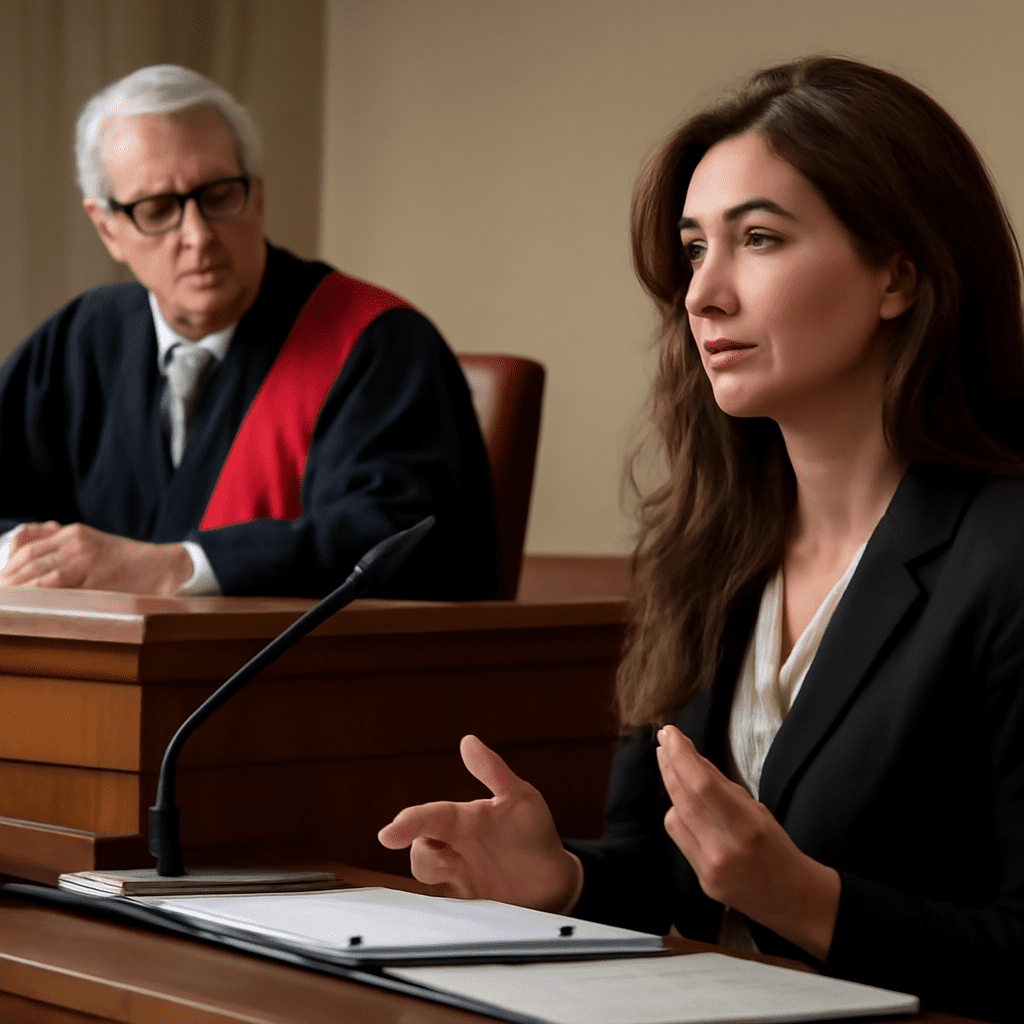
A hand raised to speak, a witness at a stand and a judge above the courtroom floor can communicate the shape of a hearing before a report explains its details. A courtroom illustrator observes these relationships and turns selected moments into images for a public that may not be able to see the proceedings directly.
The work is a form of visual reporting. A trial sketch artist must recognize the people and the setting, draw quickly and work within the rules of the particular court. The finished image is an interpretation of an observed event, not an official transcript or a substitute for the full record.
Court Artist: A Reporter With a Drawing Tool
A courtroom artist commonly works for a news organization or on assignment for a publisher or broadcaster. The Library of Congress exhibition on courtroom illustration describes artists hired by newspapers and television to capture likenesses, gestures and the atmosphere of trials. Their work can accompany a report when cameras are restricted, but drawing and written coverage each provide different kinds of information.
The term court artist needs context. In this article it means an artist drawing legal proceedings. Historically, the same words can describe a painter employed by a royal or princely court, whose responsibilities might include portraits of a ruler. A sketch artist covering a hearing works in a judicial setting and is generally reporting to an audience through a news outlet, rather than serving a monarch.
Before a hearing, an illustrator may study the case, learn the names and roles of the participants, and check where seating is available. That preparation helps the artist recognize the relationship between a lawyer addressing the bench and a witness responding. It also helps a caption explain what the drawing actually shows.
Observation Under Court Rules
A courtroom artist cannot assume that every court permits the same tools, access or subjects. The Central District of California’s media guide, for example, says artists must notify the courtroom deputy before sketching and prohibits detailed drawings of witnesses and jurors, while permitting indistinct silhouettes. These are rules for that court, not a universal list.
Camera rules also vary. The federal judiciary’s media guide describes broad restrictions on media recording of federal proceedings alongside limited exceptions and some appellate or civil access arrangements. State courts set their own policies. A drawing artist at a trial needs to check the relevant court and any order in the individual case rather than assume cameras or sketching are always prohibited or always allowed.
Where drawing is allowed during proceedings, the artist has to observe without disrupting them. A person’s expression or posture can change in seconds, so a few marks may establish a profile or gesture before the artist develops the rest. Some courts impose different constraints, and an illustrator may need to work from memory after leaving the room. Materials, access and deadlines shape the result.
What a Court Sketch Chooses to Show
A court sketch is selective. A wide composition can locate the judge, attorneys and witness, helping a viewer understand who is addressing whom. A close view can make a fleeting expression easier to see, but it leaves out much of the room. Neither choice is a neutral window onto everything that happened.
The design of courtroom art often balances likeness and legibility. A dark robe or the horizontal edge of the bench can establish a role quickly; a turn of the head can show the direction of attention. Color and contrast guide the eye, while the placement of figures can suggest proximity or distance. The artist must make those decisions under pressure without letting visual drama imply a conclusion that the proceedings have not established.
Captions are important. They can identify the hearing, the people depicted and the moment or activity represented. They can also distinguish a drawn reconstruction from a photograph and explain whether a scene combines observations made over time. An image may convey atmosphere powerfully, but a viewer cannot hear testimony or determine the truth of an allegation from a facial expression.
Howard Brodie’s Two Views of a Trial
The Library of Congress preserves work by Howard Brodie from Jack Ruby’s 1964 trial in Dallas. Its exhibition account explains that Brodie offered to cover a trial where filming was forbidden. His diagram of the empty courtroom identifies the positions of the defendant, lawyers, judge, jury and other participants. It is an unusually clear example of a court illustrator using a drawing to map a space as well as describe an event.
A separate Brodie drawing of Ruby before the verdict concentrates on his profile. Set beside the diagram, it shows two distinct reporting choices: one explains the arrangement of a room; the other directs attention to a person at a particular moment. Neither image alone gives the complete history or outcome of the case.
The Library’s wider collection includes sketches by many artists, including Marilyn Church and Elizabeth Williams. Their courtroom drawings preserve visual records of proceedings across decades while also showing how individual styles and assignments affect what reaches an audience.
Can a Drawing Replace the Official Record?
No. A courtroom illustration helps a reader see people, space and gestures, but it is selected and interpreted by the artist. The transcript and other available court records serve different purposes. Reading the caption and accompanying reporting alongside the drawing gives the clearest account of what the image can—and cannot—show.