Fantasy Castle Design: Key Features and Inspiration
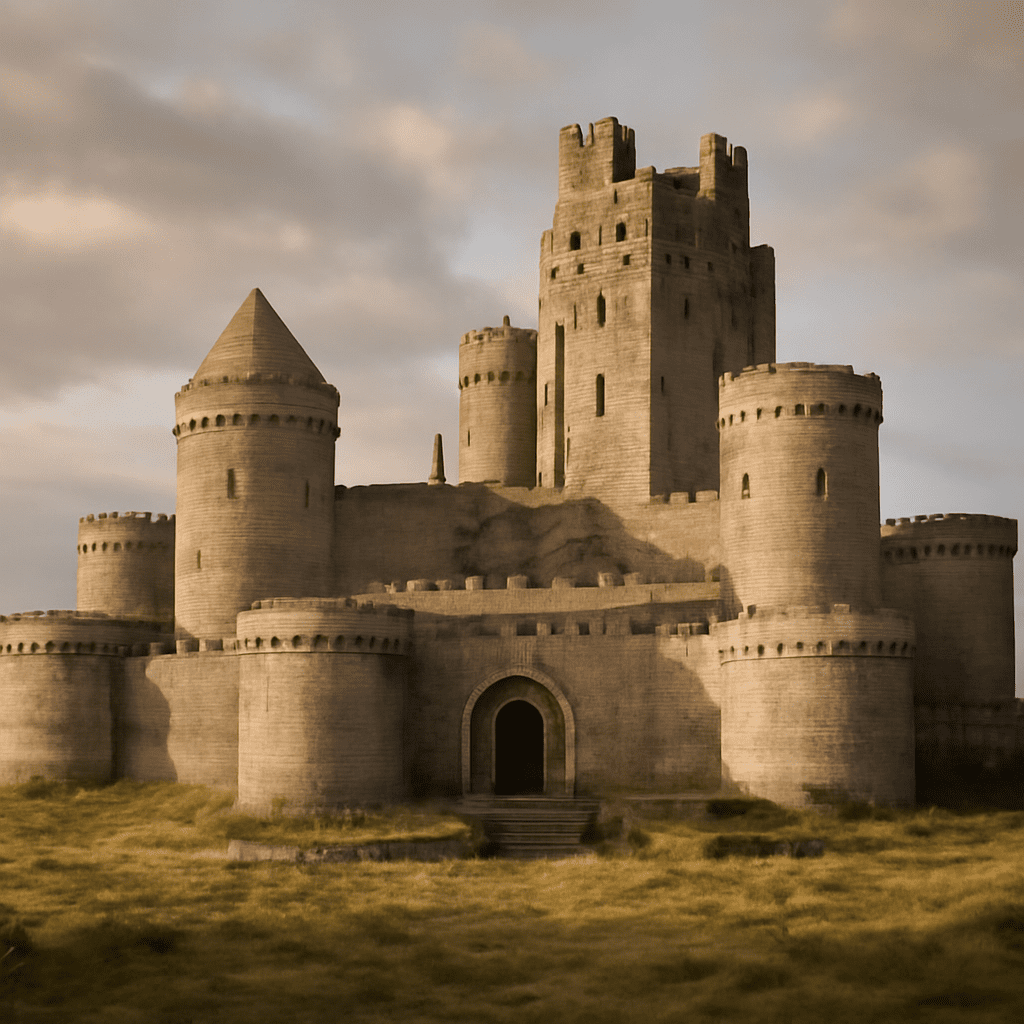
A fantasy castle stands as a beacon of imagination, blending architectural marvels with storytelling to create structures that are as much a part of their worlds as dragons or magic. Rooted in medieval inspiration but freed from historical constraints, a fantasy medieval castle offers limitless possibilities in form, function, and atmosphere. Whether you’re dreaming up a castle for a novel, game, or visual art, understanding the essential features and creative liberties that define these iconic fortresses is the first step in bringing your vision to life.
What Defines a Fantasy Castle?
The essence of a fantasy castle lies in its ability to evoke wonder, grandeur, and a sense of otherworldly power. Unlike real-world castles built with practical defense as the primary concern, a fantasy castle is often designed to serve both as a symbol of its ruler’s might and a setting for epic tales. These castles, while inspired by medieval architecture, are exaggerated and stylized to fit the needs of fantastical narratives.
Fantasy castles commonly feature sweeping silhouettes and dramatic settings—towering atop craggy cliffs, suspended over waterfalls, or hidden within enchanted forests. Their scale is limited only by imagination: sky-high towers, impossibly broad courtyards, or floating spires are all acceptable. Magical embellishments such as glowing runes, moving stone guardians, or spellbound gates further distinguish them from their historical counterparts. Functionally, a fantasy castle often doubles as a seat of power, a last bastion against evil, and a place of mystery or prophecy. The “fantasy castle” is defined by its role in the narrative as much as its structure, serving to immerse audiences in the fantastical world it inhabits.
Another key aspect is the blending of styles and eras. A fantasy medieval castle might incorporate Gothic archways, Romanesque buttresses, and Renaissance flourishes in a single structure, unfettered by the timeline of architectural history. This imaginative approach allows creators to design the ultimate fortress that fits their world’s themes and technologies.
In summary, the fantasy castle is a synthesis of awe-inspiring visuals, narrative purpose, and an architectural language that borrows from reality but is transformed by the limitless potential of fantasy storytelling.
Classic Elements of Fantasy Castle Architecture
Towers and Turrets
Towers and turrets are perhaps the most recognizable features of any fantasy castle. These vertical elements serve both symbolic and practical purposes. Tall, slender towers are often depicted as wizard’s sanctuaries or lookout posts, while broad, battlemented towers house armories or royal chambers. Turrets, the small towers typically perched at the corners or atop larger towers, add visual interest and provide strategic vantage points. In a fantasy context, towers may defy gravity, spiral into the clouds, or glow with arcane energy, emphasizing the castle’s magical or legendary status.
Grand Halls and Courtyards
The heart of a fantasy medieval castle is its great hall—a vast chamber where feasts, councils, and ceremonies take place. These halls are depicted with soaring ceilings, ornate chandeliers, stained glass, and tapestries that tell the history of the realm. Adjacent courtyards offer open-air spaces for training, festivals, or secretive midnight meetings. In fantasy, these areas are often set on a dramatic scale, able to accommodate dragons, giants, or entire armies, and are sometimes enchanted with ever-blooming gardens or magical fountains.
Defensive Walls and Moats
Even in a magical world, the classic defensive features of medieval castles remain essential. Massive stone walls, bristling with crenellations, encircle the castle, providing protection from invaders and monsters alike. Moats—sometimes filled with water, sometimes with churning lava or mystical barriers—add an additional layer of defense. Gatehouses, drawbridges, and portcullises are key entry points, often reinforced with enchantments or guarded by fantastical beasts. These defensive elements ground the fantasy castle in a sense of realism while offering endless opportunities for creative embellishment and dramatic storytelling.
Fantasy Medieval Castle vs. Historical Castles
The differences between a fantasy medieval castle and real historical castles highlight the balance between authenticity and imagination. Historical castles, such as Windsor Castle in England or Neuschwanstein Castle in Germany, were built with specific defensive and residential purposes, dictated by available technology and materials. Their designs are practical: thick walls, narrow arrow slits, and compact courtyards optimized for survival against siege warfare.
By contrast, a fantasy medieval castle is liberated from these constraints. Its scale, structure, and features can be exaggerated for dramatic effect. Walls might soar hundreds of feet high, and gates could open by secret spells rather than pulleys and chains. Interiors are often less cramped, with vast ballrooms, endless libraries, or underground dungeons sprawling far beyond what was possible in historical architecture.
Another distinction is the integration of magic and non-human influences. In fantasy, a castle might be shaped by dwarves deep in the mountains, elves atop ancient trees, or sorcerers wielding arcane power. Architectural elements can respond to narrative needs: hidden passages for intrigue, curse-sealed doors, or sentient statues that guard the halls. These fantastical features make the castle a living part of the story, evolving alongside the characters and plot.
While real castles tell the story of their time and place, a fantasy medieval castle is designed to serve the themes, rules, and adventures of its fictional world. This creative freedom enables truly unique and memorable fortresses that resonate with fans of fantasy across all media.
Design Inspiration: Imaginary Castles in Popular Culture
Some of the most iconic fantasy castles originate in popular culture, shaping the way we imagine these structures. From literature to film, games to television, these castles inspire new designs and interpretations in every generation.
Hogwarts Castle from the Harry Potter series is a quintessential fantasy castle, blending medieval foundations with magical surprises at every turn—moving staircases, hidden rooms, and enchanted portraits. Similarly, Minas Tirith and Barad-dûr in Tolkien’s Middle-earth are grand in both scale and symbolism, each serving as a physical embodiment of the power and mythos of their realms.
In video games, castles like Hyrule Castle in The Legend of Zelda and Dracula’s Castle in Castlevania provide iconic backdrops for adventure and exploration. Their designs often mix historical accuracy with fantastical twists, such as floating platforms, secret passageways, and mystical defenses. Animated works such as Disney’s Cinderella Castle and the moving castle of Howl’s Moving Castle further demonstrate the endless creativity possible when designing a fantasy castle.
Whether drawn from classic myths, beloved stories, or entirely original worlds, these castles fuel the imagination, offering endless possibilities for artists, writers, and creators to build their own unforgettable fantasy fortresses. By studying and reinterpreting these examples, anyone can craft a fantasy castle that stands at the heart of their own legend.