Hacienda Style Homes: Timeless Design and Lasting Appeal
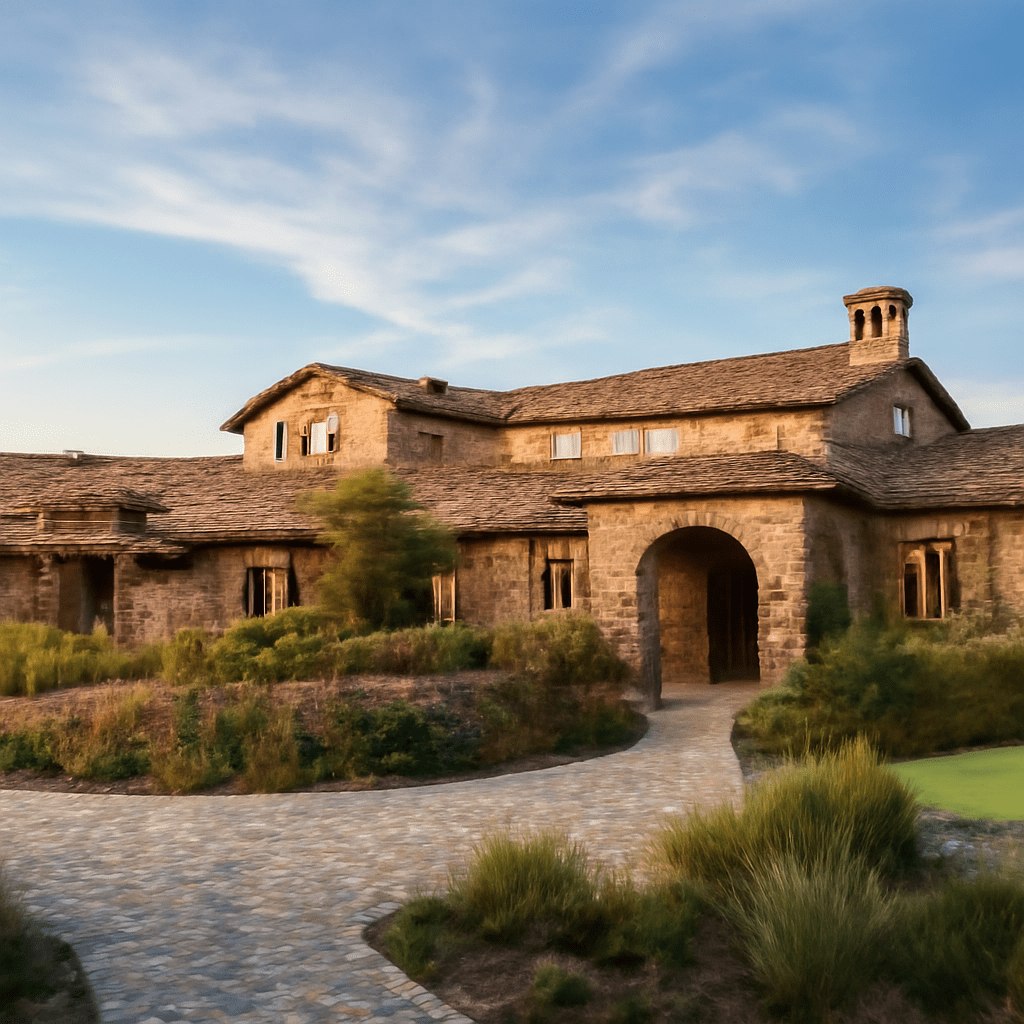
Hacienda style homes blend rich history, old-world elegance, and enduring comfort. Their instantly recognizable look—marked by red clay roof tiles, thick stucco walls, arched entryways, and shaded courtyards—offers a timeless aesthetic and practical benefits for today’s homeowners. Rooted in Spanish colonial traditions and adapted over centuries, hacienda style delivers warmth, connection to nature, and a sense of relaxed luxury. Whether you’re seeking architectural inspiration or ways to infuse hacienda style into your own space, understanding the elements and evolution of this design can help you appreciate its lasting appeal.
What Defines Hacienda Style Homes?
Hacienda style homes are characterized by their distinctive blend of Spanish and Mediterranean architectural influences. The style emerged as a response to climate and culture, resulting in homes that prioritize comfort, shade, and indoor-outdoor living. Key visual hallmarks include low-pitched red clay tile roofs, white or earth-toned stucco exteriors, and thick walls that help regulate temperature. Deep-set windows and doors, frequently with wood or iron accents, showcase traditional craftsmanship and provide a sense of solidity and security.
Centrally, hacienda style homes are built around one or more courtyards. These private outdoor spaces, often surrounded by covered walkways or arcades, serve as the heart of the home for relaxing, dining, or entertaining. Arched doorways and windows not only enhance their aesthetic but also improve airflow and create a feeling of openness. Interiors tend to feature exposed wooden beams, hand-painted tiles, and wrought iron fixtures, all contributing to an inviting, rustic charm.
Functionality is as important as beauty in hacienda style architecture. Broad overhanging eaves shield windows from direct sunlight, while thick walls provide insulation, making these homes well-suited for warm climates. The overall design centers on comfort, privacy, and a seamless transition between interior and exterior living spaces.
Today, the appeal of hacienda style homes extends far beyond their historical roots. Their classic proportions, natural materials, and harmonious connection with landscape make them popular in a variety of settings, from rural estates to suburban neighborhoods seeking timeless character.
A Brief History of Hacienda Style Architecture
Hacienda style has its origins in the estates and large landholdings (haciendas) established by Spanish colonists in the Americas, especially during the 16th to 18th centuries. These grand residences often served as both family homes and centers of agricultural operations. They drew inspiration from traditional Spanish rural architecture, adapting it to new climates, materials, and cultural influences found in regions like Mexico, California, and the American Southwest.
The earliest haciendas featured thick adobe or stone walls, clay roof tiles, and enclosed courtyards that provided respite from the sun. As the style evolved, it incorporated local building techniques and decorative motifs, resulting in unique regional interpretations. For example, Mexican haciendas often showcase vibrant tilework and bold colors, while California missions adopted a simpler palette and utilitarian features.
By the early 20th century, hacienda style experienced a renaissance in the United States during the Spanish Colonial Revival movement. Architects and builders drew on historic precedents to design new homes and public buildings that celebrated the region’s heritage. Notable examples include the Adamson House in Malibu, California, and the San Gabriel Mission District in Los Angeles. These structures blended traditional elements with modern innovations, sparking widespread interest in hacienda style homes.
Today, the hacienda style remains a beloved architectural language, symbolizing a connection to history, craftsmanship, and a relaxed, gracious way of life. Its adaptability ensures the style continues to inspire homeowners and designers around the world.
Key Elements of Hacienda Style
Certain features define the hacienda style and distinguish it from other architectural traditions. The most prominent is the use of red clay roof tiles, which not only provide visual warmth but also reflect sunlight and shed rainwater effectively. These roofs are typically low-pitched with rounded eaves, emphasizing the home’s horizontal lines and grounded presence.
Thick stucco or adobe walls are another hallmark. Their substantial mass keeps interiors cool during hot days and insulates against chilly nights. Earthy hues—such as warm whites, terracotta, ochre, and sand—dominate the color palette, reinforcing the home’s connection to its natural surroundings. Arched windows and doorways break up the solid geometry of the structure and create playfully shifting patterns of light and shadow throughout the day.
Courtyards are central to the hacienda style, often landscaped with drought-tolerant plants, fountains, and stone or tile paving. These spaces offer privacy and an oasis-like escape, ideal for hosting gatherings or enjoying quiet moments. Decorative details such as hand-painted Talavera tiles, wrought iron railings, and carved wooden doors add personality and reflect the blend of Spanish, Mexican, and Mediterranean influences that define hacienda style homes.
Inside, exposed timber beams (called vigas), textured plaster walls, and stone or saltillo tile floors create a cozy, rustic atmosphere. Fireplaces with stucco or tile surrounds often serve as focal points, while built-in seating and shelving maximize function without detracting from the home’s simple elegance.
Adapting Hacienda Style to Modern Living
Many homeowners today seek to incorporate hacienda style into contemporary settings, balancing historic character with modern comfort. Open floor plans, larger windows, and integrated technology can coexist with classic materials and detailing. For example, a new-build hacienda style home may feature energy-efficient windows framed by traditional arches, or radiant floor heating beneath rustic tile.
Outdoor living remains a cornerstone of the style. Covered patios, loggias, and shaded verandas extend living space and provide year-round enjoyment. Outdoor kitchens, fire pits, and water features echo the original role of courtyards, while contemporary landscaping with native and drought-tolerant plants supports sustainability.
When updating existing hacienda style homes, focus on preserving original features such as beams, tilework, and ironwork, while upgrading systems for efficiency and comfort. Blend new furnishings with vintage or artisanal pieces to maintain the home’s authentic, relaxed feel. Neutral backgrounds can be enlivened with vibrant textiles, pottery, or artwork that reflect the region’s cultural heritage.
For those not building from scratch, it’s possible to evoke hacienda style through thoughtful updates. Stucco finishes, terracotta accents, arched doorway remodels, and the addition of courtyards or patios all help recreate the warm, welcoming spirit of traditional hacienda style homes in modern residences.