A Guide to William Morris Designs: Iconic Patterns and Lasting Influence
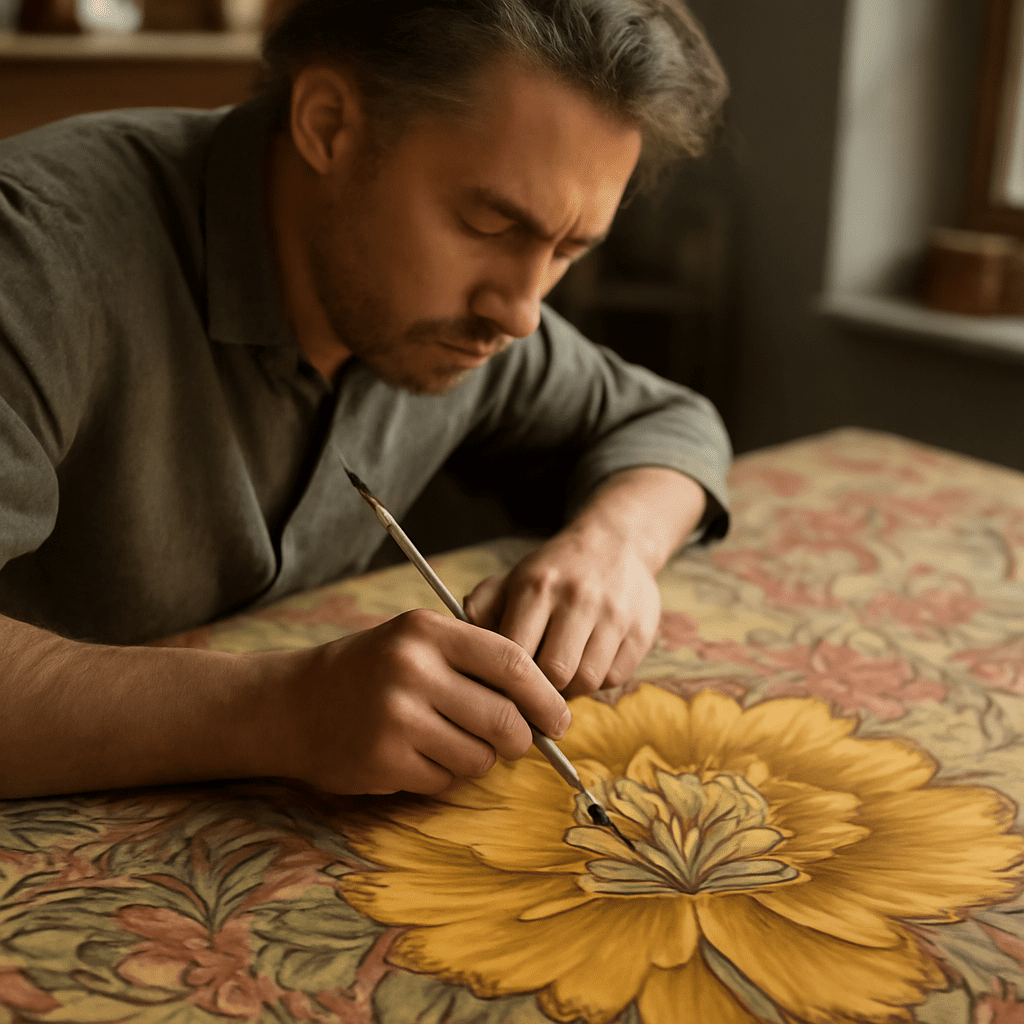
William Morris designs are recognized around the world for their intricate beauty, rich symbolism, and transformative influence on both historic and contemporary decorative arts. As a leading figure in the Arts and Crafts Movement, Morris’s patterns shaped the way we think about ornamentation, textiles, and even the ethics of design. This guide explores the man behind the motifs, the signature features of his work, his most iconic patterns, and the ongoing impact of his artistic vision.
Who Was William Morris? The Visionary Behind the Designs
William Morris (1834–1896) was more than just a designer; he was a poet, writer, activist, and social reformer whose creative influence spread across several disciplines. Born in the English countryside, Morris developed a fascination for medieval art, literature, and craftsmanship, which would later become the foundation of his life’s work. He founded Morris, Marshall, Faulkner & Co. in 1861, a decorative arts firm that sought to revive traditional skills in response to the mass production and perceived soullessness of Victorian industrialization.
Driven by a belief that art should be accessible and meaningful, Morris rejected the ornate but often poorly made products of his age in favor of hand-crafted beauty. He advocated for a return to skilled workmanship and the integration of beauty into everyday objects. His activism extended beyond aesthetics: Morris was an early environmentalist and a passionate socialist, convinced that good design could improve quality of life for all. These ideals are woven into every aspect of William Morris patterns, which continue to inspire designers, artists, and craftspeople today.
While Morris collaborated with other artists and craftspeople, his personal approach to design—combining historic motifs with new ideas—set him apart. Today, his name is synonymous with a style that bridges art, nature, and social conscience.
Defining Features of William Morris Designs
William Morris designs are instantly recognizable thanks to their organic forms, repeating motifs, and harmonious color palettes. At a glance, several defining characteristics set them apart from other decorative traditions:
- Nature-Inspired Motifs: Morris drew inspiration directly from the English countryside. His patterns often feature intertwining vines, lush flowers, leaves, birds, and fruit, rendered in a stylized but highly detailed manner.
- Complex Repeats and Symmetry: Unlike simple geometric repeats, William Morris patterns typically use complex, flowing arrangements that create movement and a sense of natural growth. The symmetry is often subtle, contributing to the impression that each design could grow endlessly in any direction.
- Rich but Muted Palettes: Morris favored earthy tones—sage, olive, wine, indigo, ochre—often derived from natural dyes. This restrained color approach gave his designs timelessness and comfort, suitable for both textiles and wallpaper.
- Handcrafted Quality: From block-printed fabrics to hand-woven tapestries, Morris insisted on traditional production methods. The tactile quality of his work set a standard for craftsmanship that remains relevant today.
Moreover, the balance of realism and stylization in Morris’s work allowed his designs to blend seamlessly in both period and contemporary interiors. The enduring appeal of William Morris designs lies in their ability to evoke nature’s beauty while remaining adaptable to evolving tastes and spaces.
Morris’s approach also often integrated poetry and narrative, bringing an emotional depth to every pattern. When used in modern contexts, these motifs carry not only aesthetic charm but also a legacy of thoughtful, ethical design.
Famous William Morris Patterns and Their Stories
Over his prolific career, Morris and his firm produced hundreds of textiles, wallpapers, and surface patterns. Some of the most famous William Morris patterns remain in production and are instantly recognizable by their distinctive detail and narrative qualities:
- Strawberry Thief: Perhaps the most beloved of all William Morris patterns, “Strawberry Thief” was designed in 1883 and features thrushes stealing fruit from Morris’s own garden at Kelmscott Manor. Its vibrant birds, winding foliage, and rich blue background exemplify Morris’s approach to storytelling through design.
- Willow Boughs: Launched in 1887, this pattern showcases sinuous willow branches and leaves. Its rhythmic diagonal flow and gentle green hues demonstrate Morris’s masterful translation of organic forms into repeating surfaces, making it popular for both wallpaper and fabric.
- Golden Lily: Designed by John Henry Dearle, Morris’s chief assistant, under Morris’s artistic direction, this lush pattern features lilies and swirling stems. Its opulence and elegance made it a favorite choice for Victorian interiors.
- Trellis: The first wallpaper designed by Morris in 1862, “Trellis” presents a lattice structure intertwined with climbing roses and birds. The design was inspired by the garden trellis at his Red House home and reflects his early interest in medieval garden imagery.
- Fruit (or Pomegranate): This early pattern from 1866 captures apples, oranges, peaches, and pomegranates amid scrolling vines, celebrating abundance and the pleasures of nature.
Each of these William Morris designs tells a story, whether rooted in personal experience, literary reference, or pure celebration of the natural world. Their adaptability has ensured their continued relevance, appearing in everything from heritage wallpaper and upholstery to modern fashion and accessories.
The stories behind these patterns also highlight Morris’s collaborative spirit—many designs were developed with skilled artisans, showing how his workshops were creative collectives rather than solo endeavors. The sense of history and narrative woven into every motif brings a unique richness to these enduring designs.
The Impact of William Morris on Modern Graphic Design
The legacy of William Morris extends far beyond the decorative arts. His philosophy and visual language profoundly shaped the principles of modern graphic design. Morris’s emphasis on the unity of form and function, attention to craft, and respect for materials is evident in today’s best design practices.
One of Morris’s most significant contributions was his approach to typography and book design. As a founder of the Kelmscott Press, he championed the revival of hand-printed books, creating typefaces and layouts that prioritized readability, beauty, and the tactile experience. The Arts and Crafts Movement paved the way for later developments in graphic design, particularly the Bauhaus and modernist movements, by insisting that design should serve both utility and delight.
Contemporary designers continue to draw inspiration from William Morris patterns—not just for their visual appeal, but for their philosophy of sustainable, human-centered design. Brands like Liberty London, fashion houses such as Gucci, and high-profile collaborations in home décor regularly reference Morris’s motifs, demonstrating their versatility and cross-cultural resonance.
In digital design, the repetition, symmetry, and layering seen in William Morris designs offer lessons in creating immersive, harmonious compositions. His influence can be traced in today’s wallpaper apps, fabric prints, brand identities, and even user interface design, proving that the principles Morris championed remain as powerful now as they were in the nineteenth century.