Exploring Jeronimos Monastery: A Lisbon Architectural Marvel
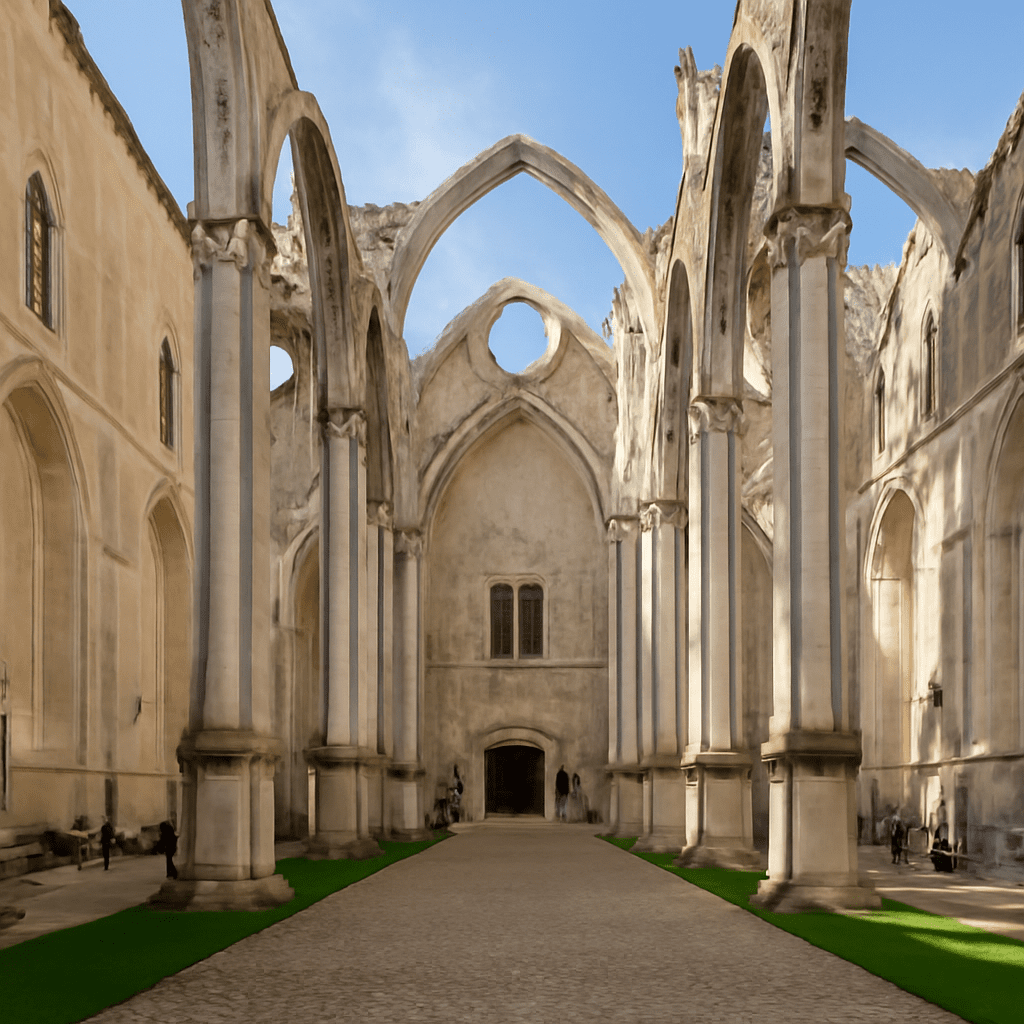
Jeronimos Monastery, located in the heart of Lisbon, stands as a testament to Portugal’s rich history and architectural prowess. Known officially as Mosteiro dos Jerónimos, this masterpiece is a must-visit for anyone intrigued by history and design. Constructed during the Age of Discoveries, the monastery is a shining example of the Manueline style, a unique Portuguese architectural style that combines Gothic and Renaissance elements. Let’s delve into the fascinating details of Jeronimos Monastery Lisbon and discover why it’s a cultural treasure.
Introduction to Jeronimos Monastery
Jeronimos Monastery, a UNESCO World Heritage site since 1983, is situated in the picturesque district of Belém in Lisbon. Its construction began in 1501, ordered by King Manuel I to commemorate Vasco da Gama’s successful voyage to India. The monastery not only serves as a spiritual haven but also as a symbol of the Portuguese Age of Exploration.
Historical Significance
The monastery’s history is deeply intertwined with Portugal’s maritime narrative. It was built on the site of a hermitage founded by Prince Henry the Navigator. The wealth amassed from trade during the Age of Discoveries funded its construction, reflecting Portugal’s global influence at the time. Jeronimos Monastery served as a place of prayer for sailors before their voyages, a tradition that underscores its historical importance.
Architectural Features
The architectural grandeur of Jeronimos Monastery is a sight to behold. The Manueline style, named after King Manuel I, is characterized by intricate details and maritime motifs, including ropes, coral, and armillary spheres. The south portal, designed by João de Castilho, is adorned with statues of historical figures and religious icons, showcasing exquisite craftsmanship.
Within the monastery lies the Church of Santa Maria, featuring a stunning vaulted ceiling supported by slender, ornate columns. The cloisters, another highlight, exhibit a delicate interplay of light and shadow, with detailed stonework that captivates visitors. Each element of the architecture tells a story of a time when Portugal was at the forefront of global exploration.
Visiting Jeronimos Monastery
Jeronimos Monastery is easily accessible by public transport, making it a convenient stop for tourists exploring Lisbon. It’s open to visitors daily, with a small entrance fee that contributes to its preservation. Guided tours are available, offering insights into its history and architectural nuances.
Visitors should allocate at least a couple of hours to explore the site fully. Key attractions include the church, cloisters, and the tombs of notable figures such as Vasco da Gama and poet Luís de Camões. Each visit offers a unique glimpse into the vibrant tapestry of Portugal’s past.
Cultural Impact and Legacy
Beyond its architectural splendor, Jeronimos Monastery holds a significant place in Portuguese culture. It symbolizes the nation’s golden era and has influenced various aspects of Portuguese art and architecture. The monastery’s influence extends beyond Portugal, inspiring similar architectural styles in former Portuguese colonies.
Today, Jeronimos Monastery is not just a historical monument but a living cultural hub. It hosts numerous cultural events, exhibitions, and ceremonies, continuing to play an essential role in Lisbon’s cultural landscape.
In conclusion, Jeronimos Monastery Lisbon is more than just an architectural wonder; it is a vibrant reminder of Portugal’s rich past and enduring cultural legacy. A visit here offers an enriching experience that connects the present with the illustrious age of discovery.