Understanding the Turkish Hammam Experience
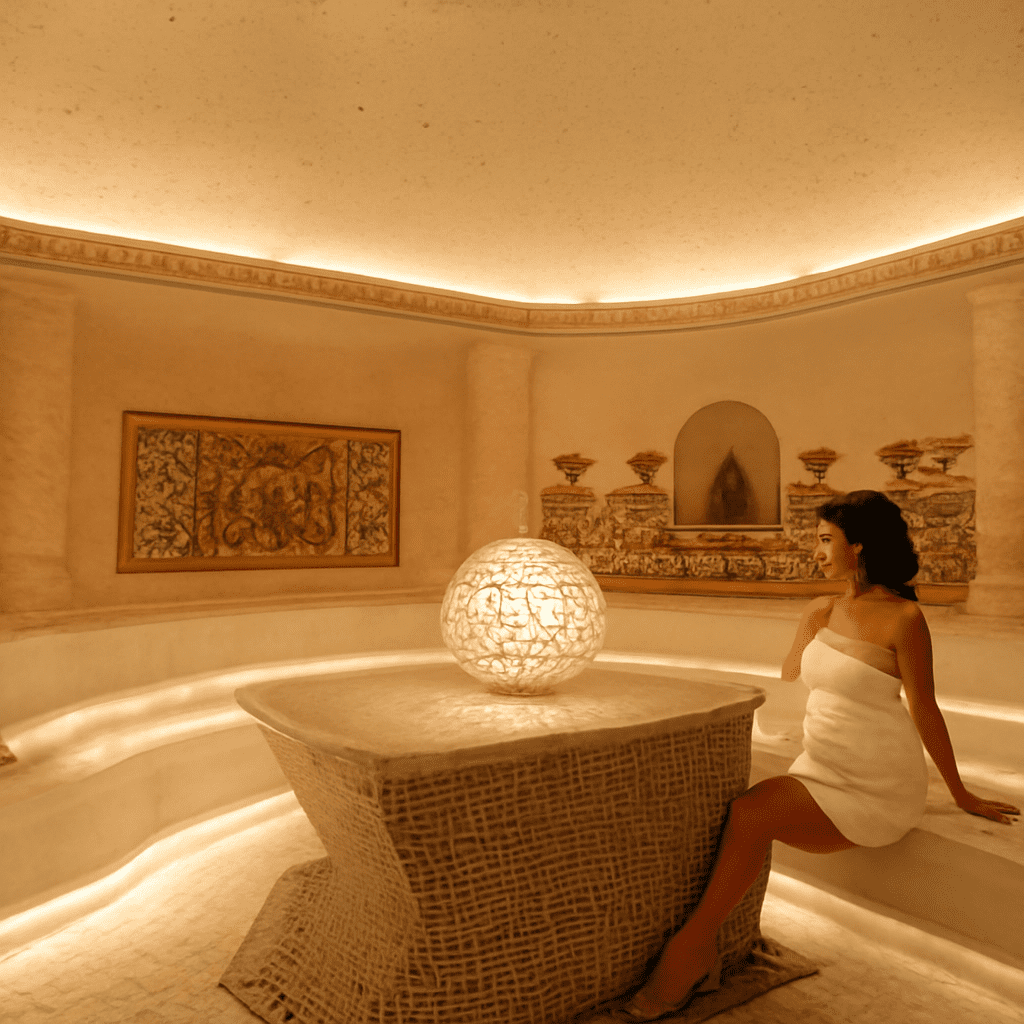
A Turkish hammam, also known as a Turkish bath, is a traditional bathhouse that offers a unique and immersive cleansing experience. Originating from ancient Roman and Byzantine bathing practices, the Turkish hammam has become a significant cultural ritual in Turkey and beyond. This article explores the essential elements of the Turkish hammam, its history, architectural features, and cultural significance.
What Is a Hammam?
The word “hammam” itself means “to heat” or “to warm” in Arabic, aptly describing the main feature of the experience. A hammam is a place for physical and spiritual cleansing, characterized by its steam-filled rooms and specific rituals. Visitors typically begin in a warm room to relax and open their pores, then proceed to a hot room for a more intense steam bath. The process often includes a rigorous exfoliation, soap massage, and a final rinse in a cooler room. Unlike modern spas, the hammam experience is deeply rooted in communal and social traditions.
The History of Turkish Hammams
The history of the Turkish hammam dates back to the era of the Romans and Byzantines, who were well known for their bathing culture. When the Seljuks and later the Ottomans adopted these practices, they infused them with Islamic purification rituals, evolving into what we recognize today as the Turkish hammam. During the Ottoman Empire, hammams were not only places for cleansing but also essential social centers, where people gathered, engaged in discussions, and celebrated milestones like weddings and births. Hammams have retained their cultural significance over centuries, adapting to changing times while preserving traditional practices.
Architectural Features of a Hammam
A typical Turkish hammam is an architectural marvel, designed to facilitate the flow of heat and steam. The structure usually comprises several rooms with distinct functions: a camekan (entrance hall), a sogukluk (warm room), a hararet (hot room), and a soğukluk or cooling room. The hararet is often the largest and most intricately designed, featuring a central marble platform called a göbek taşı where visitors recline to be scrubbed and washed. Domed ceilings, stone or marble surfaces, and ornate tile work are common architectural elements that contribute to the hammam’s unique aesthetic and functionality.
Cultural Significance and Rituals
Beyond physical cleansing, the Turkish hammam holds profound cultural significance, symbolizing purity, hospitality, and socialization. The rituals conducted within a hammam are deeply ingrained in Turkish culture, from the meticulous process of washing and scrubbing to the leisurely social interactions that occur. The hammam serves as a communal space where barriers dissolve, allowing people from all walks of life to connect. It’s customary to engage in conversation, enjoy tea, and even celebrate special occasions within its warm, steamy confines. The Turkish hammam is not just a bathhouse but a living tradition that continues to thrive in modern times.