Exploring the Paris Pantheon: A Marvel of Neoclassical Architecture
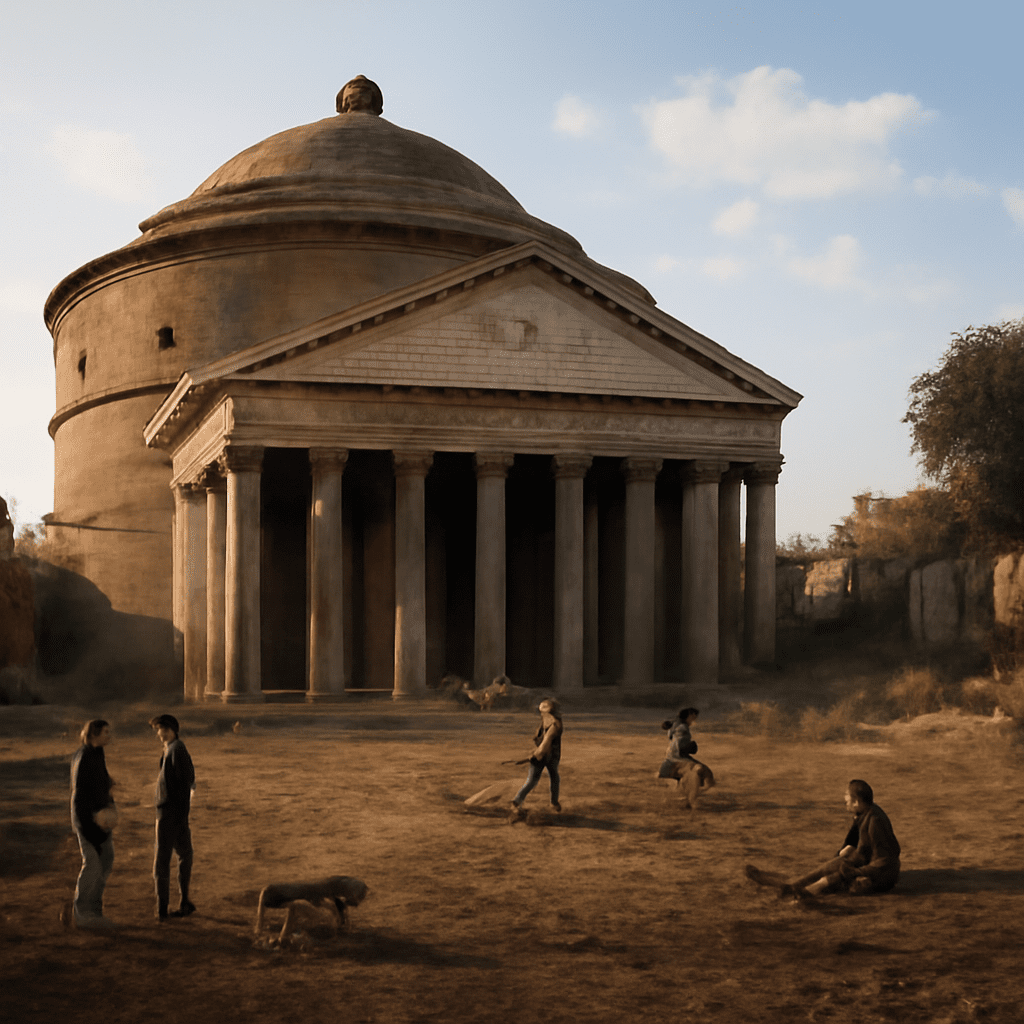
The Paris Pantheon, an architectural masterpiece located in the Latin Quarter, stands as a testament to France’s neoclassical design prowess. Though often confused with the Parthenon in Greece due to a similarity in names, the Paris Pantheon boasts its unique historical and cultural significance. This iconic structure was originally conceived as a church but now serves as a mausoleum for some of France’s most revered figures. Let’s delve into its rich history, stunning architectural features, and enduring cultural impact.
Introduction to the Paris Pantheon
Nestled in the 5th arrondissement, the Paris Pantheon is an exemplar of neoclassical architecture. Commissioned in the 18th century by King Louis XV, it was intended to honor Saint Genevieve, the patron saint of Paris. Over time, it transitioned from a religious site to a symbol of national pride, housing the remains of illustrious French citizens such as Voltaire, Victor Hugo, and Marie Curie.
Historical Significance and Origins
The origins of the Paris Pantheon date back to 1744 when King Louis XV vowed to build a church dedicated to Saint Genevieve if he recovered from a serious illness. Architect Jacques-Germain Soufflot was tasked with designing the Pantheon, aiming to blend classical Greek influences with Gothic elements. The construction began in 1758 but faced numerous delays, finally completing in 1790.
The French Revolution played a pivotal role in the Pantheon’s transformation from a church to a mausoleum. In 1791, the National Constituent Assembly decided to dedicate the building “to the great men of France,” thus beginning its journey as a resting place for the nation’s heroes.
Architectural Features of the Paris Pantheon
The Paris Pantheon is renowned for its striking architectural features. The façade, with its massive Corinthian columns, resembles the Roman Pantheon, reflecting Soufflot’s vision of harmonizing classical styles. The building’s dome, a prominent feature, was designed with inspiration from St. Paul’s Cathedral in London and the Basilica of St. Peter in Rome.
Inside, the Pantheon houses a collection of paintings and sculptures that narrate significant moments in French history. The crypt, an essential component of the Pantheon, serves as the final resting place for many of France’s distinguished citizens. The combination of architectural grandeur and historical artifacts makes the Paris Pantheon a must-visit site for architecture enthusiasts and history buffs alike.
Cultural Impact and Modern-Day Relevance
The Paris Pantheon continues to be a cultural beacon in modern times. Its role as a mausoleum for France’s national heroes underscores the country’s commitment to honoring those who have significantly contributed to its identity. The Pantheon also hosts various cultural events, including exhibitions and educational programs that engage visitors with its rich heritage.
In 2007, the Pantheon underwent extensive renovations to preserve its structural integrity and aesthetic appeal. This restoration effort highlights the importance of maintaining historical landmarks for future generations. Today, the Paris Pantheon stands not only as a marvel of neoclassical architecture but also as a symbol of France’s enduring legacy and cultural evolution.