Exploring Gothic Revival and Modern Gothic Architecture
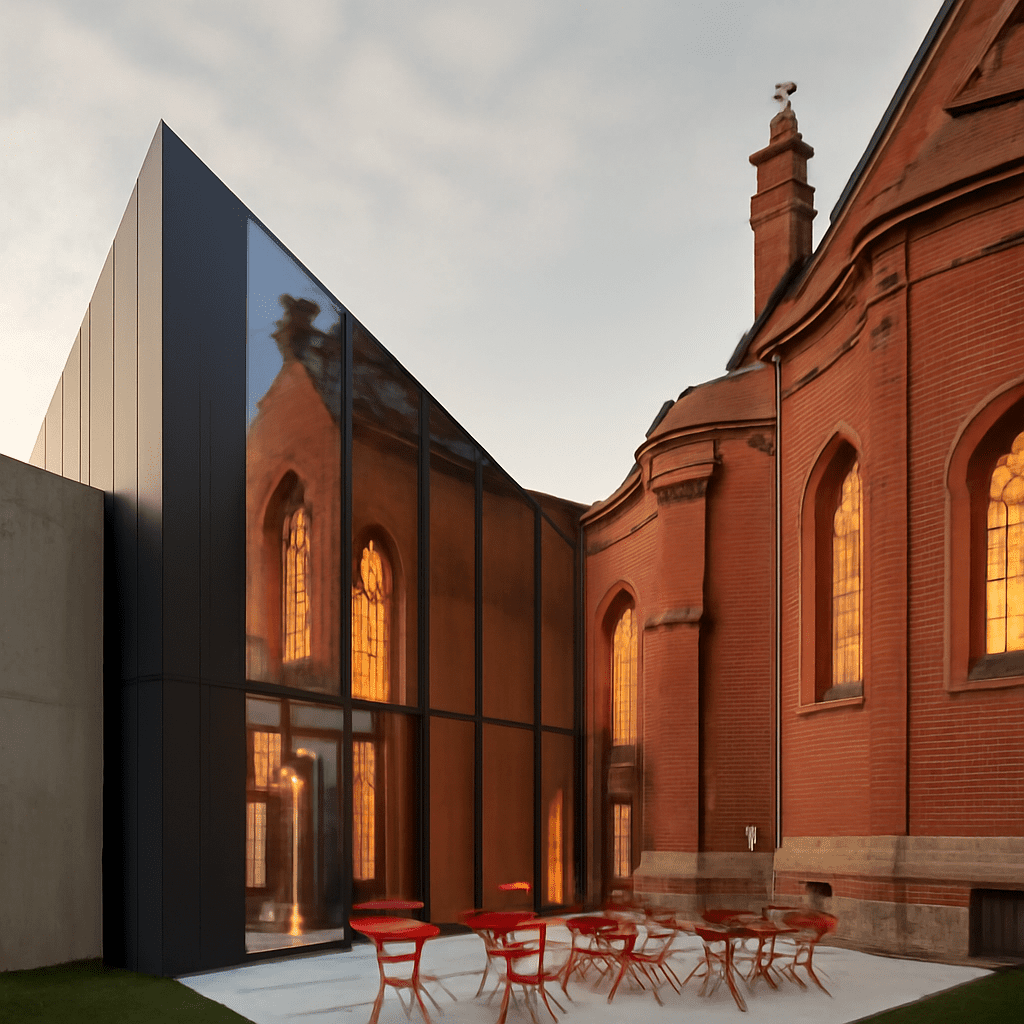
Gothic revival architecture emerged in the late 18th century as a movement to revive the Gothic architectural style that dominated Europe during the medieval period. This style sought to revive the grandeur and spiritual intensity of Gothic architecture with its pointed arches, ribbed vaults, and flying buttresses. Unlike its medieval counterpart, which was primarily used for churches and cathedrals, Gothic revival architecture extended to residential buildings, universities, and public institutions.
Introduction to Gothic Revival Architecture
The Gothic revival architecture movement began as a reaction against the classical designs of the 18th century, marked by symmetry and proportion. Architects and designers wanted to return to the more spiritual and organic forms of the Gothic period. The movement was particularly popular in England, where it was seen as a way to connect with the nation’s medieval past. Key figures like Augustus Pugin and John Ruskin championed this style, leading to its widespread adoption in the 19th century.
Key Characteristics of Gothic Revival
Gothic revival architecture is characterized by its use of pointed arches, vertical lines, and an intricate ornamentation that mimics the medieval Gothic style. Buildings often feature decorative patterns, finials, and crockets. Windows are large and frequently adorned with stained glass, creating a play of light and color inside. The style also incorporates towers and spires, reminiscent of the heavenly aspirations of the original Gothic buildings.
Modern Gothic Architecture: Evolution and Influence
Modern gothic architecture has taken the principles of the Gothic revival and adapted them to contemporary design contexts. The emphasis remains on verticality and intricate detailing, but modern interpretations often blend gothic elements with sleek, minimalist forms. This hybrid style can be seen in structures like the Washington National Cathedral in the United States, which combines traditional gothic elements with modern construction techniques.
The influence of Gothic architecture can be seen in various modern designs, where architects use its dramatic and emotive qualities to evoke a sense of awe and wonder. The style’s adaptability allows it to be incorporated into modern urban landscapes, offering a striking contrast to more contemporary architectural styles.
Defining Neo-Gothic Architecture
Neo-gothic architecture is a term used to describe the continuation and adaptation of gothic revival principles into the 20th and 21st centuries. It represents a more restrained and refined approach to the gothic style, often focusing on the decorative and symbolic aspects rather than an exact replication of historical structures. Neo-gothic buildings often serve as cultural or educational institutions, such as the University of Chicago campus, which showcases the style’s ability to convey prestige and tradition.
While retaining the key elements of pointed arches and elaborate stonework, neo-gothic architecture often simplifies the complexity of original gothic buildings to align with modern aesthetics and construction methods, making it a practical choice for a variety of functions.
Iconic Examples of Gothic Architecture
Several iconic examples illustrate the enduring appeal of gothic architecture across different eras. The Houses of Parliament in London, designed by Charles Barry and Augustus Pugin, are a quintessential example of Gothic revival architecture, showcasing the grandeur and intricacy associated with the style.
In the realm of modern gothic architecture, the St. Vitus Cathedral in Prague exemplifies how the gothic style can be seamlessly integrated into a modern cityscape. Neo-gothic examples include the Woolworth Building in New York City, which incorporates gothic detailing into its early 20th-century skyscraper design.
These structures not only highlight the adaptability and timelessness of the gothic style but also demonstrate its powerful aesthetic that continues to inspire architects and designers worldwide.