Exploring the World of Embroidery Art and Machine Embroidery
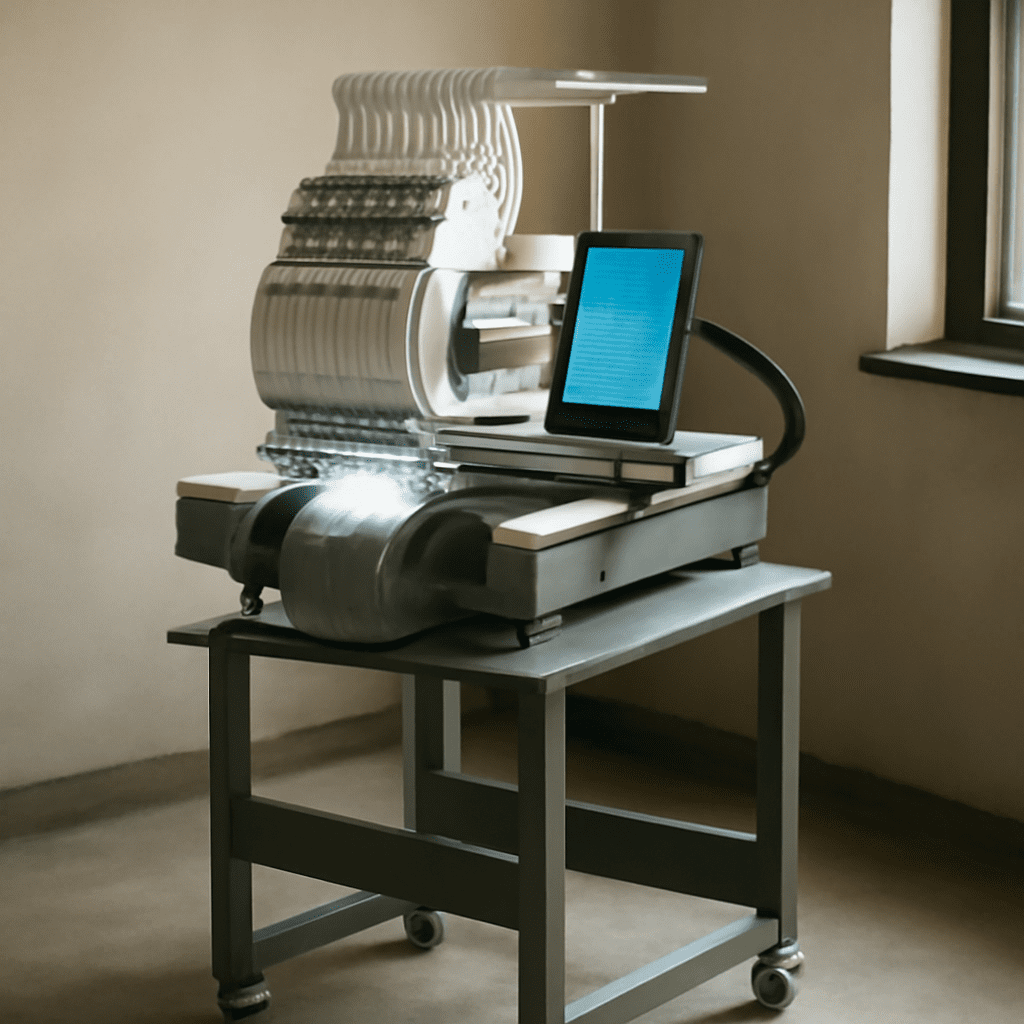
Embroidery art has long been cherished for its intricate beauty and cultural significance. With its origins tracing back centuries, embroidery has evolved into not just a craft but also an expressive art form. In today’s world, machine embroidery is revolutionizing this traditional practice, offering precision and speed that manual techniques cannot match. This article explores the nuances of embroidery art, delves into machine embroidery, and provides insights into choosing the right tools and incorporating embroidery into modern interior design.
Understanding Embroidery Art
Embroidery art is the craft of decorating fabric or other materials using a needle to apply thread or yarn. It can include other materials such as pearls, beads, quills, and sequins, adding texture and depth to the artwork. Traditional embroidery techniques vary across cultures, with unique styles like the vibrant silk threads of Chinese embroidery or the bold patterns of Mexican Otomi.
Embroidery art is often seen as a personal and expressive craft, allowing artists to convey stories and cultural heritage through their stitches. This art form requires patience and precision, with each stitch contributing to the overall beauty of the piece.
The Rise of Machine Embroidery
Machine embroidery has gained popularity due to its efficiency and the consistent results it offers. Using computerized machines, intricate designs can be replicated with precision and speed, making it ideal for commercial applications such as branded apparel and home textiles. The technology allows for intricate patterns that might be challenging or time-consuming to achieve manually.
Machine embroidery opens up new possibilities for customization, enabling hobbyists and professionals alike to create bespoke pieces quickly and with a high degree of accuracy. As technology advances, machine embroidery continues to push the boundaries of what can be achieved in textile arts.
Key Techniques in Embroidery Art
Embroidery art encompasses a variety of techniques, each offering different textures and effects. Some popular methods include:
- Cross-stitch: A form of counted-thread embroidery in which X-shaped stitches are used to form a picture.
- Crewel: A type of surface embroidery using wool and a variety of different embroidery stitches to follow a design outline.
- Satin stitch: A technique where stitches are placed close together to create a smooth, satiny surface.
- French knots: Small, decorative knots used to add texture and dimension to embroidery.
These techniques can be combined and adapted to create unique pieces, highlighting the versatility and creative potential of embroidery art.
Choosing the Right Tools for Your Embroidery Projects
Selecting the appropriate tools is crucial for successful embroidery projects. Here are some essentials:
- Needles: Choose needles suitable for the fabric and thread type. Embroidery needles have a larger eye to accommodate thicker threads.
- Hoops: Embroidery hoops keep the fabric taut, ensuring even stitches. They come in various sizes and materials, including wood and plastic.
- Threads: High-quality threads in a range of colors can enhance the vibrancy and durability of your embroidery.
- Scissors: Small, sharp scissors are essential for cutting threads neatly.
- Stabilizers: Used in machine embroidery, stabilizers provide support to the fabric, preventing distortion during stitching.
Investing in quality tools can significantly impact the outcome of your embroidery projects, making the process more enjoyable and the results more professional.
Incorporating Embroidery into Interior Design
Embroidery is a versatile art form that can enhance the aesthetic of any interior space. It adds a touch of warmth and personality, transforming ordinary objects into statement pieces. Here are some ideas for incorporating embroidery into interior design:
- Cushions and Throws: Add embroidered patterns to cushions and throws to introduce texture and color to a room.
- Wall Art: Framed embroidery pieces can serve as unique wall art, adding depth and interest to any space.
- Table Linens: Embroidered tablecloths and napkins can elevate the dining experience with their intricate designs.
- Upholstery: Incorporate embroidery into furniture upholstery to create bespoke, artistic pieces that stand out.
Whether through subtle accents or bold statements, incorporating embroidery into interior design can personalize and enrich a living space, merging traditional craftsmanship with modern aesthetics.