Exploring the Art of Ikebana: Japanese Flower Arranging
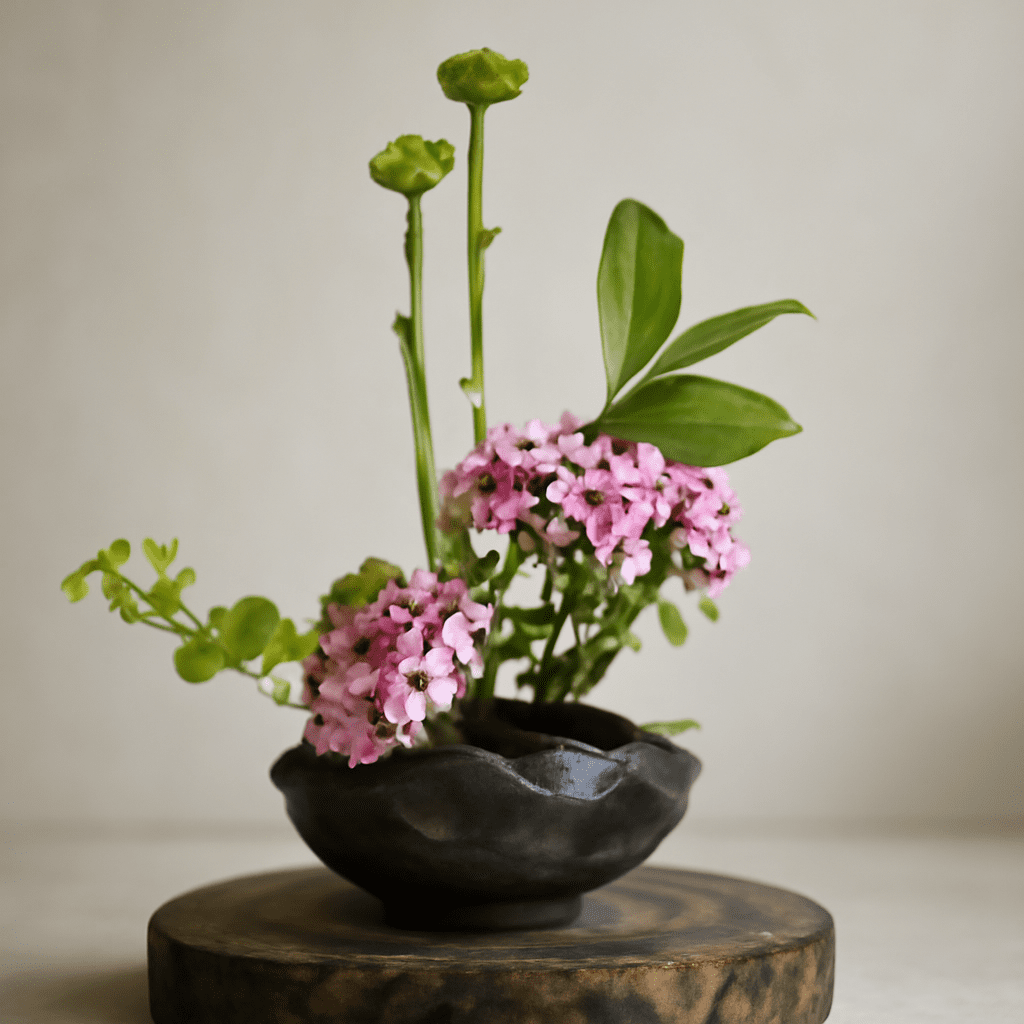
Ikebana, or Japanese flower arranging, is a centuries-old art form that transcends mere floral decoration. It is a disciplined practice that embodies harmony, balance, and simplicity, making it a unique cultural expression. Unlike Western flower arrangements, which focus on color and quantity, ikebana emphasizes the line, form, and minimalism. By understanding the essence of ikebana, one can appreciate the profound beauty and meaning behind each arrangement.
What is Ikebana?
Ikebana is the traditional Japanese art of flower arranging that dates back to the 7th century. Initially associated with religious offerings in Buddhist temples, it evolved into an art form that reflects the natural world and one’s connection to it. The term “ikebana” translates to “giving life to flowers,” which illustrates the practice’s philosophy of creating living works of art. Each ikebana flower arrangement is a unique expression, capturing the beauty of nature and the spirit of the season.
Basic Techniques of Ikebana Flower Arrangement
Creating an ikebana flower arrangement involves mastering several basic techniques. One of the fundamental practices is “kabuwa,” which means to trim and arrange the stems to achieve the desired balance and proportion. Practitioners use a “kenzan,” a spiked holder, to secure the flowers in place. Another key technique is “moribana,” which involves arranging flowers in a shallow container, creating a natural landscape.
When arranging ikebana flowers, the artist must consider three main elements: line, balance, and harmony. The lines are the stems, leaves, and branches that guide the viewer’s eye through the arrangement. Balance is achieved by ensuring that the elements are proportionate and harmonious within the space they occupy. The harmony in ikebana is not only about the arrangement itself but also how it complements its surroundings.
Styles and Forms in Ikebana
Ikebana features several distinct styles and forms, each with its unique characteristics. The “Rikka” style, which means “standing flowers,” is one of the oldest forms, characterized by its formal and structured appearance. It typically consists of tall, upright arrangements that represent natural landscapes such as mountains and rivers.
In contrast, the “Nageire” style is more informal and spontaneous, often used in traditional Japanese tea ceremonies. This freestyle form allows for more creativity and less rigid structure, giving the artist greater freedom to express personal emotions through the arrangement.
Another popular form is “Shoka,” known for its simplicity and elegance. Shoka arrangements emphasize the beauty of each flower and utilize only a few elements to create an understated yet powerful visual impact.
Cultural Significance of Ikebana Flowers
Ikebana is deeply rooted in Japanese culture and holds significant cultural importance. It is not merely an art form but a practice that encourages mindfulness and a deeper connection with nature. The meditative process of creating an ikebana arrangement allows the artist to reflect on the transient beauty of life and appreciate the present moment.
In addition to its aesthetic value, ikebana serves as a means of communication and a way to convey emotions. Each arrangement tells a story and expresses feelings such as love, gratitude, or sorrow. It is also a way to celebrate seasonal changes and honor cultural traditions, making it an integral part of Japanese ceremonies and festivals.
The influence of ikebana extends beyond Japan, inspiring floral artists worldwide to adopt its principles and techniques. Its emphasis on simplicity, natural beauty, and the harmonious balance between elements resonates with people seeking a deeper connection with nature in an increasingly fast-paced world.