Exploring Mid Century Modern Architecture
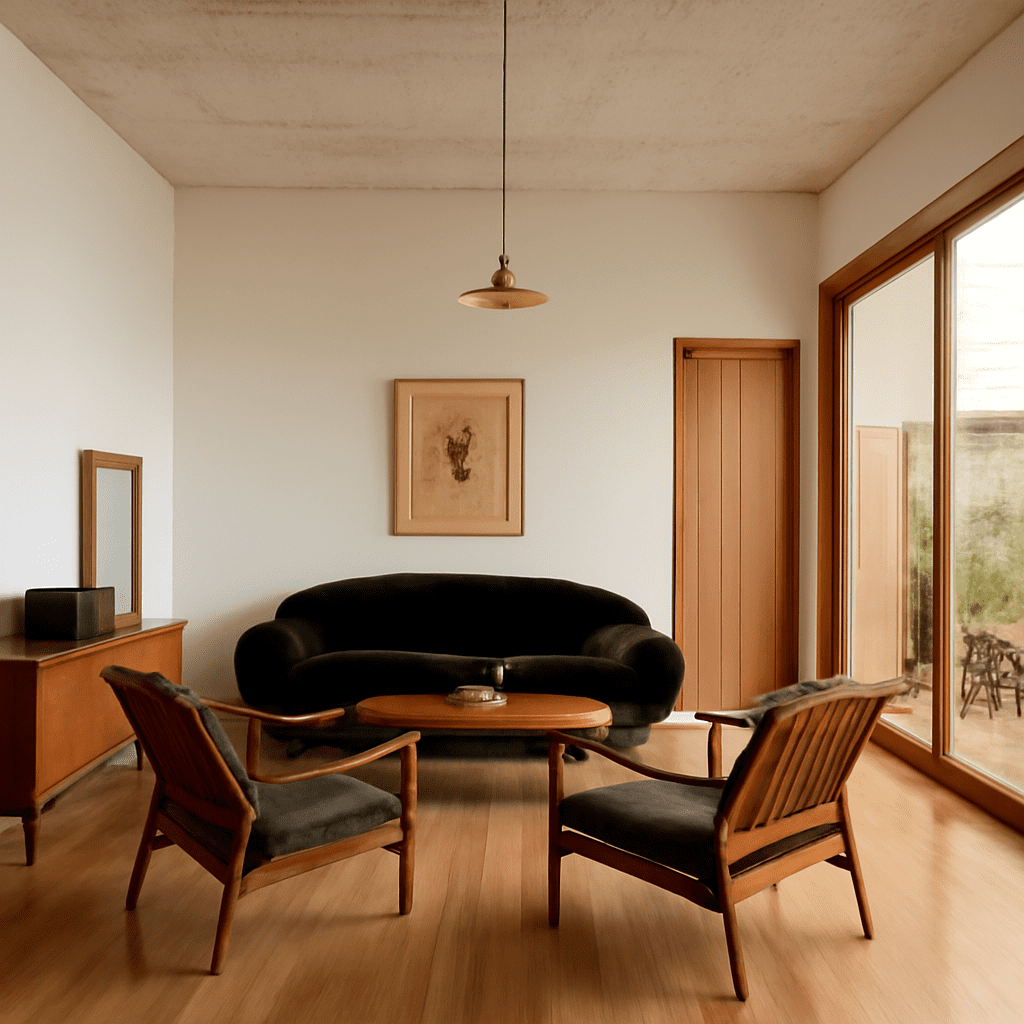
Mid century modern architecture, often simply referred to as “mid-century,” represents a significant design movement that emerged in the mid-20th century. Celebrated for its simplicity, integration with nature, and innovative use of traditional materials, mid century modern design continues to captivate architects and homeowners alike. This article delves into the origins, key features, and enduring influence of this iconic style, highlighting some of the most exemplary structures that epitomize mid-century modern design.
The Origins of Mid Century Modern Architecture
The roots of mid century modern architecture can be traced back to the aftermath of World War II, a period marked by rapid technological advancement and social change. With a newfound sense of optimism, architects sought to create spaces that reflected modern living. Influences from the Bauhaus movement, which emphasized functionality and simplicity, played a significant role in shaping this architectural trend. Architects like Ludwig Mies van der Rohe and Walter Gropius introduced concepts that favored open spaces, clean lines, and a harmonious relationship with the natural environment.
Key Features of Mid Century Modern Design
Mid century modern design is characterized by several distinct features that set it apart from other architectural styles. One of the most notable aspects is the emphasis on open floor plans, which promote fluidity between indoor and outdoor spaces. This is often achieved through large windows and sliding glass doors that allow for abundant natural light and unobstructed views of the surrounding landscape.
Another hallmark of mid century modern architecture is the use of traditional materials in innovative ways. Wood, metal, and glass are commonly employed to create structures that are both functional and aesthetically pleasing. The design also often incorporates flat planes and geometric forms, along with minimal ornamentation, to maintain a sleek and uncluttered appearance.
Influence on Contemporary Architecture
Mid century modern architecture has had a lasting impact on contemporary design, with many modern architects drawing inspiration from its principles. The style’s focus on simplicity, sustainability, and integration with nature resonates strongly with current architectural trends. Elements such as open floor plans and large glass facades are now commonplace in modern homes and commercial buildings, echoing the mid-century ethos of bringing the outside in.
Moreover, the resurgence of interest in mid-century furniture and decor has further solidified the style’s place in contemporary design. Iconic pieces from designers like Charles and Ray Eames continue to be sought after, blending seamlessly with modern interiors and highlighting the timeless appeal of mid-century aesthetics.
Iconic Examples of Mid Century Modern Architecture
Several structures stand out as quintessential examples of mid century modern architecture. The Farnsworth House, designed by Ludwig Mies van der Rohe in 1951, is a prime example of the style’s emphasis on transparency and connection with nature. Its minimal steel and glass construction set within a natural setting exemplifies the seamless integration of the built environment with its surroundings.
Another iconic example is the Eames House (Case Study House No. 8), designed by Charles and Ray Eames in 1949. This residence showcases the use of prefabricated materials and innovative construction techniques to create a functional yet visually striking living space.
The Kaufmann House in Palm Springs, California, designed by Richard Neutra in 1946, is yet another masterpiece of mid-century modern design. Renowned for its horizontal lines, open spaces, and expansive glass walls, the Kaufmann House perfectly captures the essence of the style.
Through its distinctive features and enduring influence, mid century modern architecture remains a beloved and influential design movement that continues to shape the way we build and live today.